
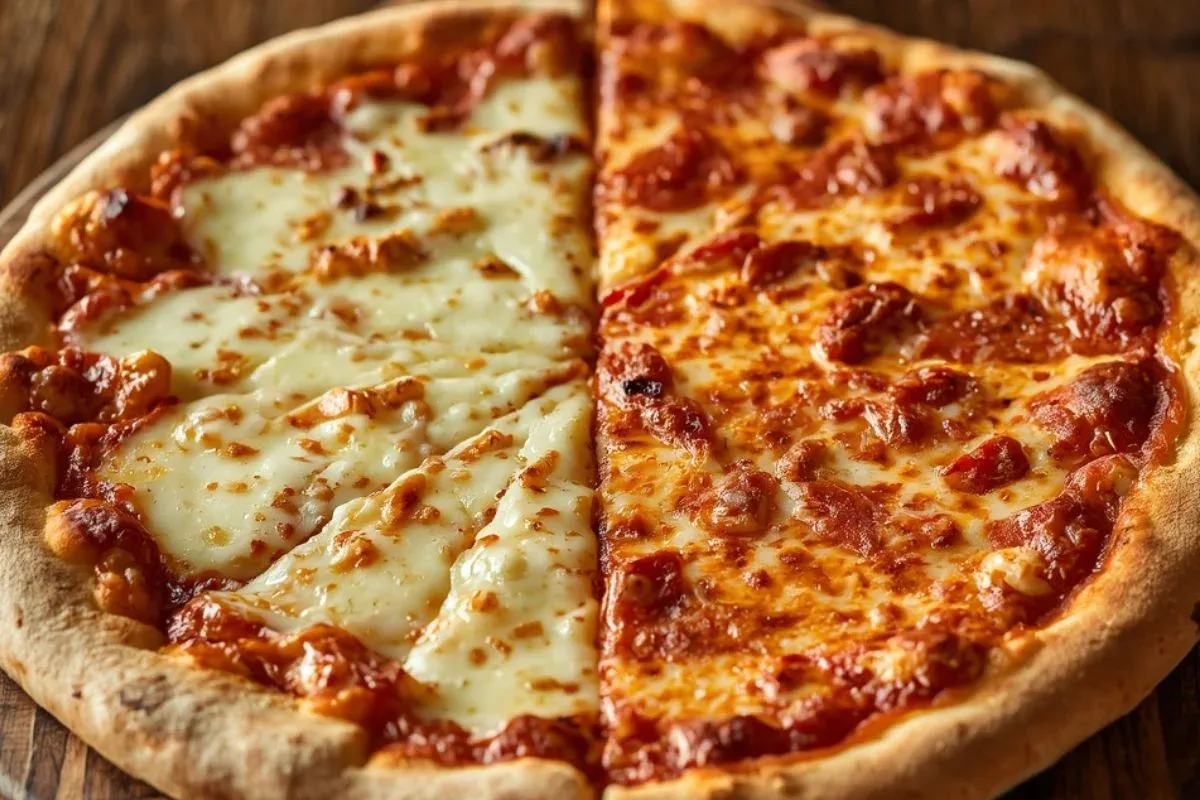
Why Is My Pizza Crust Pale? 6 Causes & How to Get It Golden
Quick answer: A pale pizza crust almost always comes down to one of six things: the oven wasn’t hot enough, it didn’t bake long enough, the dough was underproofed, the baking surface wasn’t fully preheated, the dough didn’t develop enough natural sugars, or the flour and recipe you’re using simply browns more slowly. Fix the one that matches your setup and you’ll get a golden crust instead of a pale one
A pale crust doesn’t mean your pizza is ruined it usually means something didn’t get hot enough or wasn’t given enough time to develop before it hit the oven
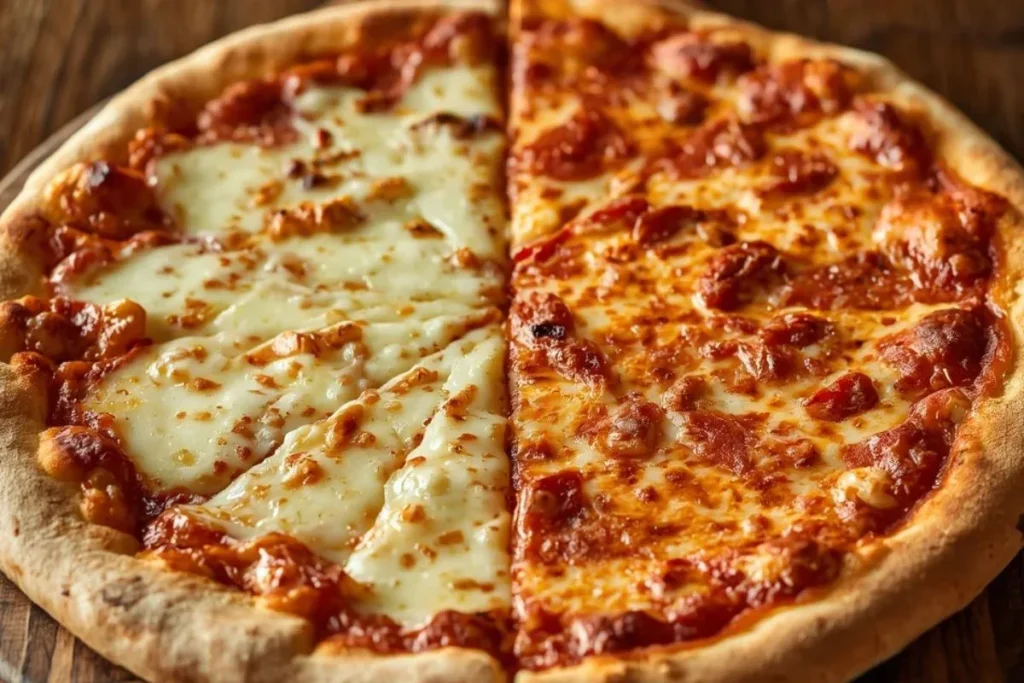
How to Tell What’s Causing It
| What you’re noticing | Most likely cause | What to try |
|---|---|---|
| Crust pale all over | Oven not hot enough | Fully preheat, bake at the highest safe temp |
| Fully cooked but still pale | Didn’t bake long enough | Bake until the crust browns, not just the cheese |
| Pale edges specifically | Underproofed dough | Give it more time to ferment |
| Pale bottom | Baking surface wasn’t hot | Preheat stone, steel, or tray properly |
| White or grey-looking dough after baking | Short bake or low temperature | Increase bake time, confirm oven temp |
| Crust pale but still crispy | Not hot enough for deep browning | Increase oven temp, not just bake time |
Browning happens through the Maillard reaction and caramelization two heat-driven processes that transform the proteins and sugars in your dough. No heat, no time, or no sugar to work with, and none of that happens, no matter how done the rest of the pizza looks
If This Is One of Several Pizza Problems You’re Chasing
A pale crust is usually a heat or timing fix but if you’re also wrestling with dough that’s sticky, dense, or won’t rise properly, The Pizza Dough Problem Solver walks through diagnosing and fixing all of it in one place, instead of hunting through separate articles for each symptom

1. Your Oven Wasn’t Hot Enough
This is the number one cause. Browning needs the surface to reach a high enough temperature for the Maillard reaction to kick in that’s what produces the color, aroma, and flavor of a great crust. If the oven isn’t fully preheated or simply doesn’t run hot enough, the cheese and toppings can finish cooking before the crust ever gets the chance to brown
How to fix it:
- Preheat for at least 30-45 minutes, not just until the oven beeps
- Use the highest safe baking temperature your recipe allows
- If you’re using a stone or steel, preheat it alongside the oven so it actually stores heat
- Check your rack position too, too low and the top won’t brown fast enough before the bottom overcooks; too high and the reverse happens. Middle or lower-third rack is usually the sweet spot for most home ovens, but test yours specifically since ovens vary
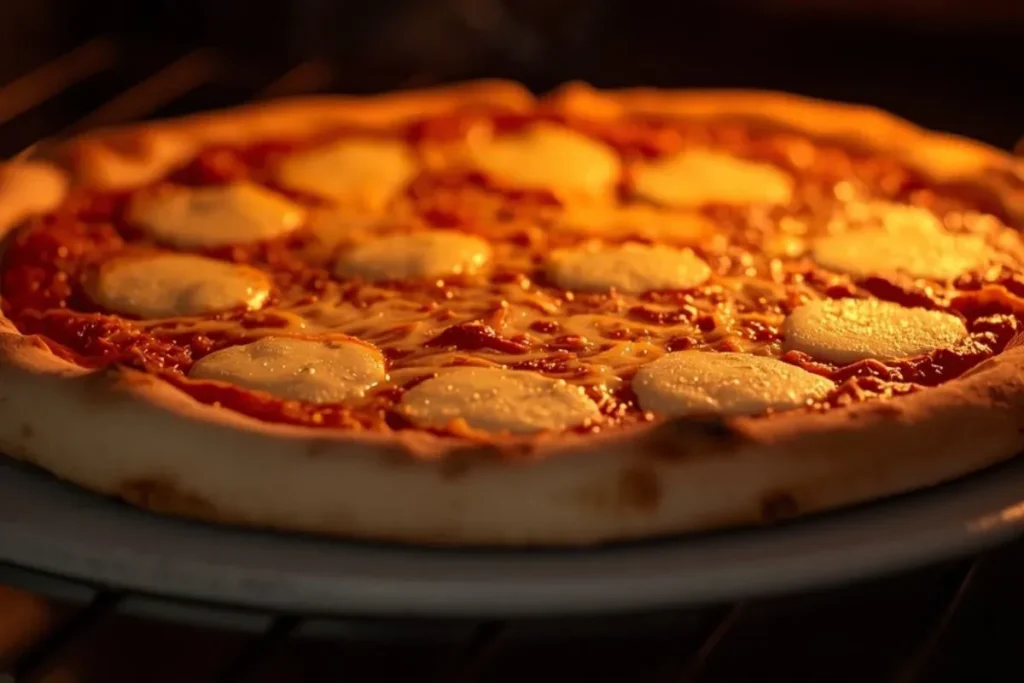
2. Your Pizza Didn’t Bake Long Enough
Sometimes the pizza looks finished cheese melted, toppings cooked but the crust itself hasn’t had time to develop color. Browning happens gradually, mostly in the final few minutes
How to fix it: Bake until the crust itself is golden, not just until the cheese looks ready. Rotate the pizza halfway through if your oven has hot spots and watch the crust closely in the final stretch rather than trusting the timer alone every oven behaves a little differently, and learning yours matters as much as following the recipe
3. Your Dough Was Underproofed
Not every pale-crust problem starts in the oven some start well before baking. During proofing, yeast breaks down carbohydrates into natural sugars, and those sugars are what fuel browning later. Cut proofing short, and there’s simply less sugar available, so even a hot oven may not brown the crust well
Other signs of underproofing: a dense or tight crumb, poor oven spring, and a crust that’s both pale and less flavorful
How to fix it: Let the dough proof fully rather than rushing it to save time. If you’re cold-proofing in the fridge, make sure it gets enough total fermentation time before baking. More detail in Why Is My Pizza Dough Underproofed?
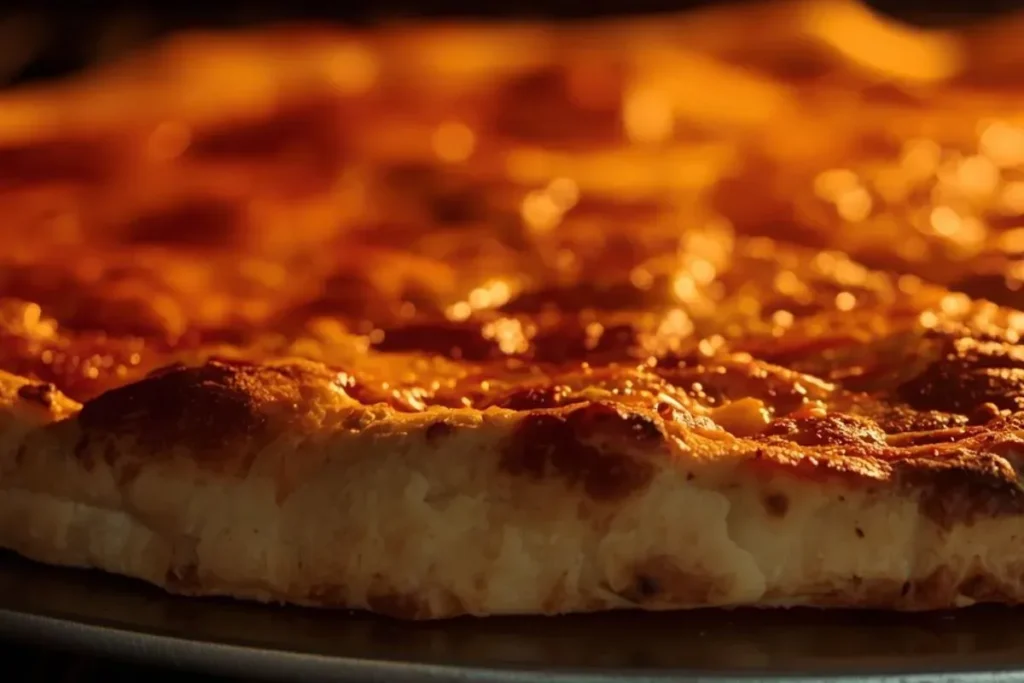
4. Your Baking Surface Wasn’t Fully Preheated
A stone or steel only helps if it’s actually hot all the way through. A cold or partially heated surface can’t deliver the immediate burst of heat that kicks off browning the crust ends up staying pale while the toppings finish cooking on top
How to fix it: Preheat your stone or steel for 30-45 minutes, positioned where it can absorb the most heat – usually the center or lower rack. No stone or steel? Preheat your baking tray too, rather than putting dough on a cold one
5. Your Dough Didn’t Develop Enough Natural Sugars
Most traditional pizza dough has no added sugar at all – the browning comes from sugars yeast naturally produces while breaking down starch during fermentation. Short or rushed fermentation means less sugar available, and less sugar means less browning, regardless of oven temperature
How to fix it: Give the dough its full fermentation time and follow your recipe’s proofing schedule rather than cutting it short. Beyond browning, a well-fermented dough also tends to taste better and have a lighter texture
6. Your Flour or Recipe Browns Differently
Not every dough browns at the same rate flour type, protein content, and mineral content all play a role
- Bread flour tends to brown well due to higher protein content
- Italian “00” flour can brown beautifully, especially at very high oven temperatures
- Some all-purpose flours brown more slowly depending on the brand and milling process
Hydration level, fermentation time, and overall recipe also shift how a given dough browns – two recipes with the same flour won’t necessarily brown the same way
How to fix it: Use a flour suited to pizza-making, follow recipes with adequate fermentation built in, and don’t be afraid to test different flour brands to see what browns best in your specific oven
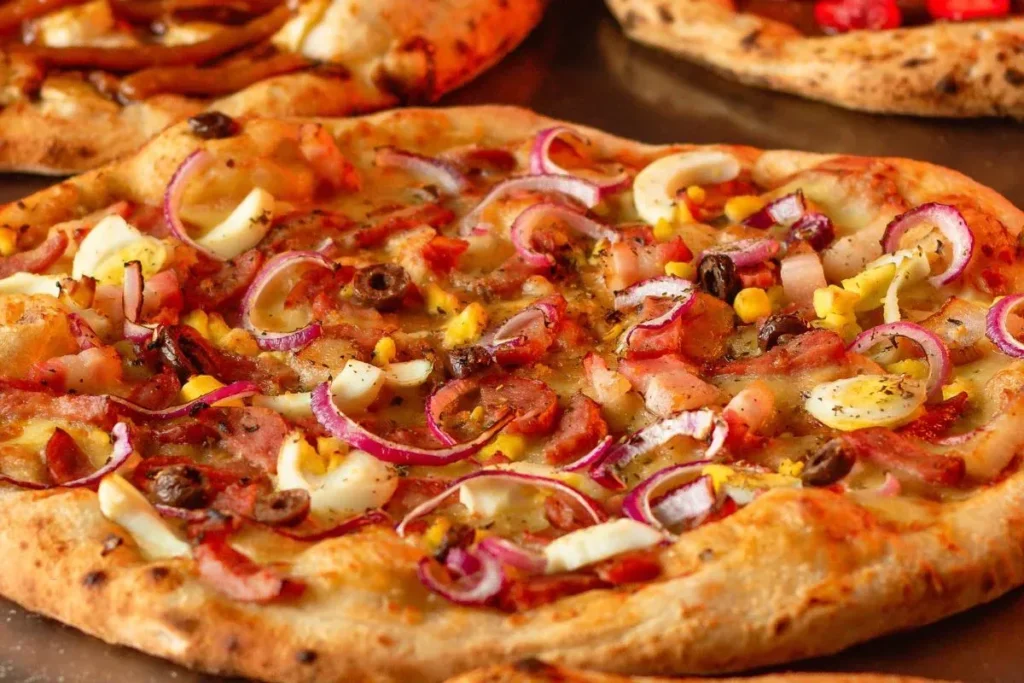
Getting More Color on Your Crust – The Short List
- Preheat the oven 30-45 minutes
- Preheat the stone or steel alongside it
- Bake at the highest safe temperature
- Give the dough full fermentation time
- Bake until the crust not just the cheese is golden
- Use a flour suited to pizza baking
- Double-check your rack position for your specific oven
Frequently Asked Questions
Why is my pizza crust not browning?
This is usually caused by too low an oven temperature, insufficient sugar in the dough for caramelization, or a baking surface that isn’t retaining enough heat
What color should pizza crust be?
A properly baked pizza crust should be golden brown with darker charred spots in places, especially around the edges, indicating good caramelization and heat exposure.
Why is my pizza dough not light and fluffy?
This is usually caused by under-proofing, too little yeast, or over-kneading, all of which limit the air pockets needed for a light, fluffy texture.
Why is my pizza crust white?
A pale, white crust usually means the oven temperature was too low or the baking time was too short for proper browning and caramelization to occur.
Why is my pizza crust pale reddit
Home bakers often point to low oven temperature, lack of a preheated stone or steel, or insufficient baking time as the main reasons for pale, underbrowned crust.
How to brown pizza crust
Preheat a pizza stone or steel thoroughly, bake at a high temperature, and consider adding a small amount of sugar or oil to the dough to encourage better caramelization.
Pizza crust not browning on bottom
This often happens when the baking surface isn’t hot enough or preheated long enough. Using a pizza stone or steel and preheating it for at least 30-45 minutes helps significantly.
Pizza Stone
A pizza stone is a thick, heat-retaining slab placed in the oven to mimic the effect of a brick oven, helping create a crisp, evenly browned crust
Pizza oven
A pizza oven is designed to reach very high temperatures, often 700-900°F, allowing pizza to cook quickly with a crisp crust and properly charred, bubbly toppings, similar to traditional Neapolitan-style baking.
Why does my pizza crust stay so pale?
Usually low oven temperature, not enough bake time, underproofed dough, or a baking surface that wasn’t fully preheated. Any one of these on its own can be enough to prevent proper browning
Why is my crust pale but still crispy?
That usually means moisture evaporated and the crust crisped up structurally, but the surface never got hot enough, or stayed hot enough, for real browning to develop
Final Thought
A pale crust almost always traces back to heat, timing, or fermentation not a ruined pizza. Preheat properly, give your dough the fermentation time it needs, bake until the crust itself looks done, and pay attention to your rack position and you’ll land on golden, flavorful crust far more consistently
