Why Is My Pizza Dough Shrinking? 10 Common Reasons (And How to Fix It)
You stretch your pizza dough into a nice round shape… then, just seconds later, it shrinks right back. You stretch it again. It shrinks again..
If you’ve been asking “Why is my pizza dough shrinking?”, you’re dealing with one of the most common frustrations beginner pizza makers face
Shrinking dough isn’t usually caused by a bad recipe. In most cases, it simply means the dough is too tight and needs more time to relax before shaping
Whether you’re using homemade or store-bought pizza dough, this guide will explain why your dough keeps shrinking, how to stop it from snapping back and how to stretch it into the perfect pizza without fighting it
If your dough feels sticky instead of shrinking, read our guide on Why Is My Pizza Dough Too Sticky? That article focuses on excess moisture, while this guide explains why dough keeps pulling itself back
Quick Answer: Why Is My Pizza Dough Shrinking?
Pizza dough usually shrinks because the gluten is too tight. This often happens when the dough hasn’t rested long enough, is still too cold, has been over-kneaded, or is under-proofed. Allowing the dough to rest at room temperature for 20-30 minutes before stretching usually solves the problem
Most shrinking dough doesn’t need more flour it simply needs more time
Table of Contents
Signs Your Pizza Dough Is Shrinking
Your dough is probably too tight if:
- It springs back immediately after stretching
- It won’t stay rolled out
- It becomes smaller after you stop pulling
- You struggle to make a large pizza
- The edges pull back toward the center
- The dough tears because you’re forcing it to stretch
If this sounds familiar, one or more of the causes below is likely responsible…
10 Reasons Your Pizza Dough Keeps Shrinking
1. Your Dough Didn’t Rest Long Enough
The most common reason pizza dough shrinks is that it hasn’t had enough time to rest. When you knead dough, gluten strands become tight and elastic. If you try to stretch the dough immediately afterward, those gluten strands pull it right back into its original shape. Think of it like a stretched rubber band. it naturally wants to snap back
How to fix it
- Cover the dough with a bowl or clean towel
- Let it rest for 20-30 minutes before stretching
- If it still shrinks, let it rest for another 10-15 minutes
- Never fight the dough. Let time do the work

2. Your Dough Is Too Cold
Cold dough is much harder to stretch because the gluten tightens as the temperature drops. This is especially common if you’ve just taken pizza dough out of the refrigerator. Many people immediately try stretching it, only to watch it shrink back repeatedly
How to fix it
- Remove refrigerated dough 30-60 minutes before using it
- Allow it to come to room temperature while covered
- Never microwave the dough to warm it. Room-temperature dough is softer, more relaxed and much easier to shape
3. You Over-Kneaded the Dough
Kneading develops gluten, which gives pizza dough its structure. However, too much kneading creates an extremely tight gluten network that constantly pulls the dough back. This makes stretching frustrating
How to fix it
- Knead only until the dough becomes smooth and elastic
- If you suspect you’ve overworked it, let it rest longer before stretching
- A longer resting period allows the gluten to relax naturally
If your dough feels extremely springy even after resting, our guide on Why Is My Pizza Dough Too Elastic? explains how excess gluten development affects pizza dough
4. Your Dough Is Under-Proofed
Proofing isn’t just about making dough rise. During proofing, the gluten gradually relaxes, making the dough much easier to stretch. If the dough hasn’t proofed long enough, it will often shrink every time you try to shape it
How to fix it
- Allow enough proofing time according to your recipe
- The dough should become slightly puffy before shaping
- Don’t rush fermentation. Proper proofing makes stretching much easier and improves flavor at the same time
5. You’re Stretching the Dough Too Aggressively
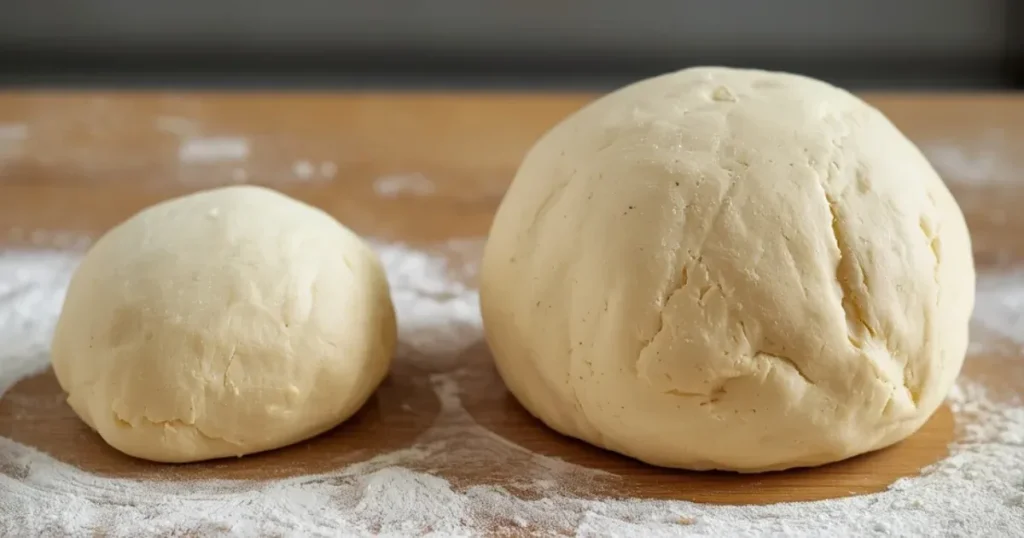
One mistake many beginners make is trying to force the dough into shape. When you pull too hard or stretch too quickly, the gluten tightens even more, causing the dough to spring back immediately. Instead of becoming larger, it keeps shrinking
How to fix it
- Stretch the dough gently from the center outward
- Let gravity do some of the work by lifting the dough and rotating it
- If the dough starts shrinking again, stop and let it rest for another 10 minutes. Gentle stretching produces a much more even pizza than forcing the dough
6. You’re Using the Wrong Stretching Technique
Rolling pins are great for pie crusts but not always for pizza. A rolling pin compresses the air bubbles that developed during fermentation and often encourages the dough to shrink back after rolling. Professional pizza makers usually stretch dough with their fingertips instead
How to fix it
- Press gently from the center toward the edges with your fingertips
- Rotate the dough as you work
- Leave the outer edge slightly thicker to form the crust
- This method keeps more air inside the dough and reduces shrinking
7. Store-Bought Pizza Dough Hasn’t Warmed Up
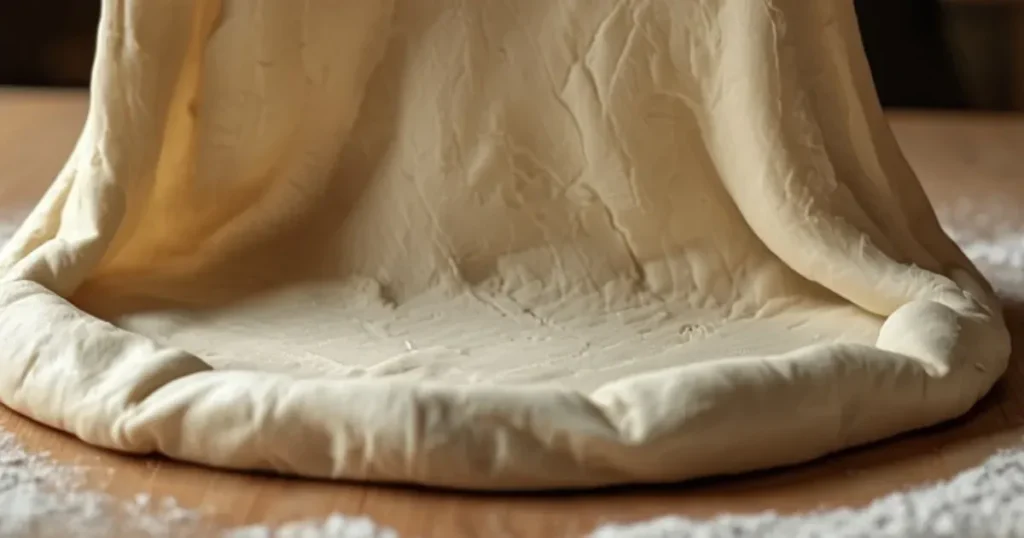
Store-bought pizza dough often comes straight from the refrigerator. Cold dough is much tighter than homemade dough that’s been resting at room temperature. Trying to stretch it immediately almost always causes it to shrink
How to fix it
- Remove the dough from the refrigerator 30-60 minutes before shaping
- Keep it covered so it doesn’t dry out
- Once it reaches room temperature, stretching becomes much easier. This simple step solves many problems with store-bought dough
8. You’re Using Too Much Bread Flour
Bread flour contains more protein than all-purpose flour. While that extra protein helps create a chewy pizza crust, it also develops stronger gluten, making the dough more elastic. If your recipe already uses bread flour, adding extra flour during shaping can make the dough even tighter
How to fix it
- Use only enough flour to prevent sticking
- Avoid heavily coating the work surface with flour
- Follow your recipe’s recommended flour type
If your dough becomes difficult to handle because it’s overly dry instead of shrinking, check out our guide on Why Is My Pizza Crust Hard? Excess flour can affect both the dough and the finished crust
9. Your Dough Needs Another Rest
Sometimes you’ve done everything right kneaded properly, proofed the dough and brought it to room temperature but it still shrinks. That’s because gluten doesn’t always relax all at once. Professional pizza makers often let the dough rest multiple times while shaping. If the dough keeps snapping back, don’t keep forcing it
How to fix it
- Stretch the dough as far as it comfortably goes
- Stop when it starts shrinking
- Cover it with a clean towel
- Let it rest for 10-15 minutes
- Return and stretch it again. Many pizza chefs repeat this process two or three times for very cooperative dough
10. Your Dough Recipe Needs More Fermentation Time
Fermentation isn’t just about making the dough rise it also relaxes the gluten. Short fermentation often produces dough that’s tight, springy and difficult to stretch
Longer fermentation develops better flavor while making the dough easier to shape
How to fix it
- If possible, let your dough ferment in the refrigerator for 24-72 hours
- Allow refrigerated dough to warm to room temperature before stretching
- Don’t rush the fermentation process. Slow fermentation creates dough that’s softer, more extensible, and much easier to work with
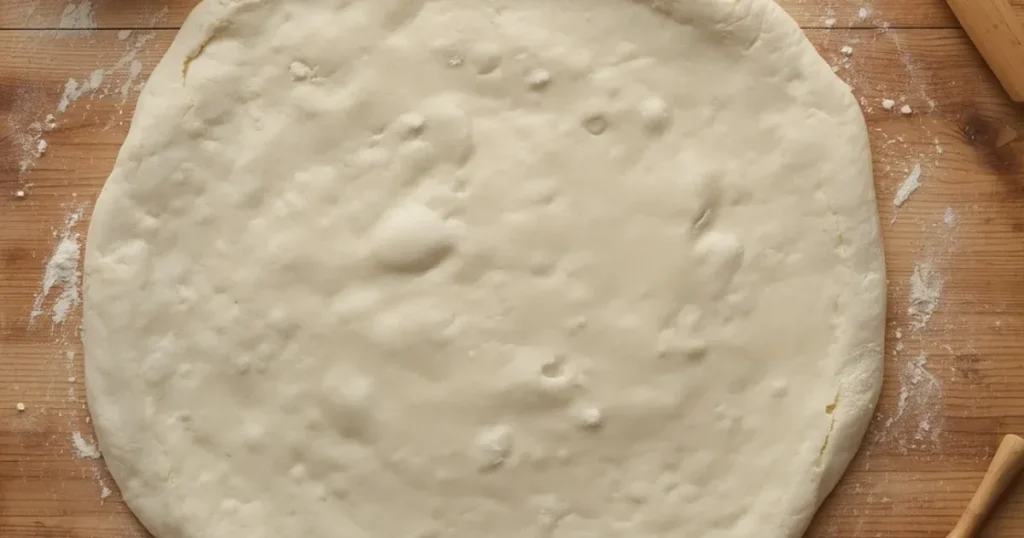
How to Stop Pizza Dough From Shrinking
If your dough constantly shrinks, these simple habits will make stretching much easier
- Let the dough rest Never rush the resting stage. If the dough shrinks, let it rest another 10–20 minutes before trying again
- Bring the dough to room temperature Cold dough almost always shrinks more than warm dough
- Stretch gently Use your fingertips to press outward instead of pulling aggressively
- Don’t fight the dough If it snaps back, stop. Trying harder only tightens the gluten even more
- Give it enough fermentation time Longer fermentation relaxes gluten naturally and improves flavor
- Be patient Even professional pizza makers often stretch, rest, and stretch again. A few extra minutes of patience usually produce a much better pizza than forcing the dough into shape
If your dough stretches easily but sticks to everything, read our guide on Why Is My Pizza Dough Too Sticky? It explains how to handle wet dough without adding too much flour

Frequently Asked Questions
Why is my pizza dough shrinking?
Pizza dough usually shrinks because the gluten is too tight. This happens when the dough hasn’t rested long enough, is still cold, or has been overworked
How do I fix shrinking pizza dough?
Cover the dough and let it rest for 20-30 minutes at room temperature. If it still shrinks, give it another 10–15 minutes before stretching again
How long should pizza dough rest before stretching?
Most pizza dough benefits from resting for 20-30 minutes after coming to room temperature. If it continues to spring back, another short rest usually solves the problem
Why does my pizza dough snap back when I stretch it?
Snapping back is a sign that the gluten is still tight. Resting the dough allows the gluten to relax, making stretching much easier
Why won’t my store-bought pizza dough stretch?
Store-bought dough is usually refrigerated. Let it sit at room temperature for 30-60 minutes before shaping
Can you overwork pizza dough?
Yes. Too much kneading develops excessive gluten, making the dough overly elastic and more likely to shrink
Why does my pizza dough tear instead of stretching?
Tearing usually happens when the dough is too cold, under-proofed, or stretched too aggressively. Gentle stretching and adequate resting help prevent tears
Should pizza dough spring back a little?
Yes. A small amount of elasticity is normal and helps the dough keep its shape. However, if it immediately shrinks every time you stretch it, it needs more time to relax
Can I use a rolling pin if my dough keeps shrinking?
You can, but it’s not ideal. A rolling pin compresses the air bubbles created during fermentation and often results in a denser crust. Stretching with your fingertips usually produces better results
Does longer fermentation reduce shrinking?
Yes. Longer fermentation relaxes the gluten naturally, making the dough easier to stretch while also improving flavor and texture
Final Thought
Pizza dough that keeps shrinking is almost always too tight not ruined. Whether the cause is insufficient resting, cold dough, over-kneading, or short fermentation, the solution is usually patience rather than extra force
By allowing the dough to rest, bringing it to room temperature, stretching it gently, and giving the gluten time to relax, you’ll find that shaping pizza becomes much easier and far less frustrating
Want to perfect every stage of homemade pizza? Continue with our guides on Easy Homemade Pizza Dough for Beginners, Why Is My Pizza Dough Too Elastic?, Why Is My Pizza Dough Too Sticky?, Why Is My Pizza Crust Not Crispy?, Why Is My Pizza Crust Soggy?, Why Is My Pizza Crust Burnt? and Why Is My Pizza Sticking to the Peel? Together, these guides solve nearly every common pizza-making problem
You May Also Like
- Easy Homemade Pizza Dough for Beginners
- Why Is My Pizza Dough Too Elastic?
- Why Is My Pizza Dough Too Sticky?
- Why Is My Pizza Crust Not Crispy?
- Why Is My Pizza Crust Soggy?
- Why Is My Pizza Crust Burnt?
- Why Is My Pizza Sticking to the Peel?