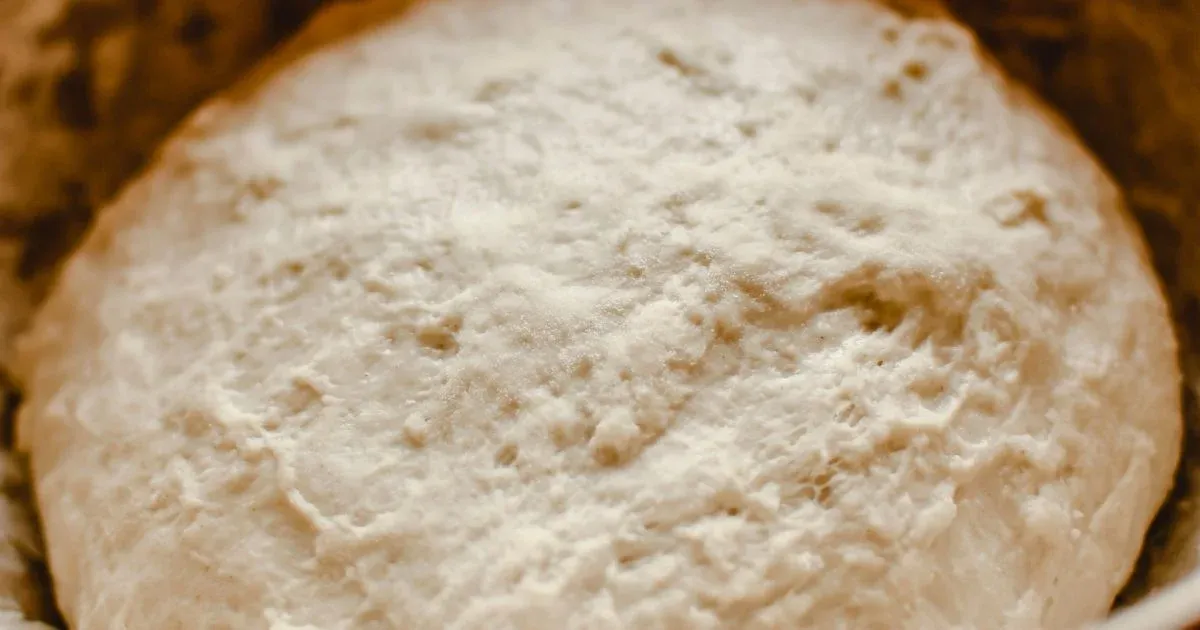
Why Didn’t My Pizza Dough Rise? 10 Common Reasons (And How to Save It Before Dinner Is Ruined)
Quick answer: Pizza dough usually fails to rise because the yeast was dead or expired, the water was too hot or too cold, the kitchen was too cold, the dough didn’t get enough time, too much salt slowed the yeast, low hydration left the dough too stiff to expand, or it dried out while proofing. Most of these are fixable often the dough just needs more time in a warmer spot.
There’s one mistake almost everyone jumps to: assuming the yeast is dead. Sometimes it is. But surprisingly often, it isn’t – dough refuses to rise because the kitchen was cold, the water was too hot, or it simply needed another hour nobody gave it. Worth checking every possibility before writing off the whole batch.
How to Tell What’s Wrong
| What you’re noticing | Most likely cause | What to try |
|---|---|---|
| No rise at all, not even slightly | Yeast is dead | Test yeast before mixing next time; start fresh now |
| Water felt hot when you added yeast | Water too hot | Use lukewarm water, 38-43°C (100-110°F) |
| Rising, but very slowly | Water too cold, or kitchen too cold | Move somewhere warmer, give it more time |
| Barely changed after the recipe’s stated time | Not enough time given | Watch the dough, not the clock |
| Tastes salty, barely rose | Too much salt, or salt touched yeast directly | Keep salt and yeast separate until mixed with flour |
| Stiff, dry, resists rising | Hydration too low | Check water measurement, dough should feel soft and tacky |
| Surface looks dry, cracked | Dried out while proofing | Always cover tightly while it rises |
| Slow but steady, refrigerated overnight | Normal cold fermentation | Let it warm 1-2 hours at room temp before shaping |
Rise Sorted – Other Dough Issues Popping Up Too?
If getting dough to rise is only part of what’s tripping you up – sticky, tearing, or dense dough too. The Pizza Dough Problem Solver walks through diagnosing and fixing each of those as well.

Can You Still Use Dough That Didn’t Rise?
Usually, yes. If it smells fresh, hasn’t sat out for an unreasonable amount of time, and the yeast simply never activated properly, you can typically still bake it. It won’t be light and airy like a proper pizzeria crust expect flatter, denser, a bit chewier but it can still taste genuinely good.
If it smells sour, shows an unusual color, or has been sitting at room temperature well past any reasonable proofing window, that’s a different situation safer to toss it and start over. Before deciding either way: look at it, smell it, feel it. Often it’s not ruined, just asking for more patience.
1. Your Yeast Was Dead
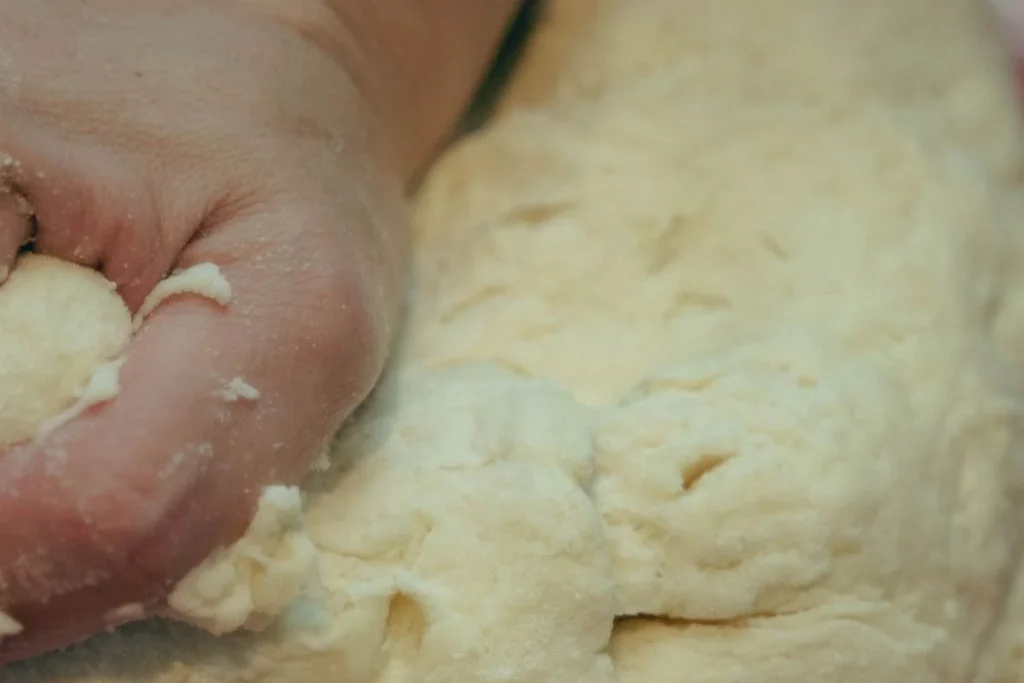
If the dough didn’t rise at all – not even a little – dead yeast is the first thing to check. Yeast is a living organism; it expires, especially after months in the cupboard or if it wasn’t stored properly once opened.
Test it: mix with warm water and a small pinch of sugar. After 5-10 minutes it should foam. Nothing happening means it’s likely dead.
How to fix it: Dead yeast can’t be revived – start fresh with a new batch. Frustrating, but faster than waiting out dough that will never rise.
2. Your Water Was Too Hot
A common beginner mistake – the logic feels sound (“yeast likes warm water, so hotter must be better”), but very hot water kills yeast almost instantly instead of helping it. If the water feels uncomfortably hot on your finger, it’s too hot for the yeast too.
How to fix it: Use lukewarm water – a kitchen thermometer helps if you’re unsure, aiming for roughly 38-43°C (100-110°F) for most active dry yeast.
3. Your Water Was Too Cold
Cold water rarely kills yeast outright, but it slows it down dramatically – a dough that should double in an hour might need two or three instead. Common in colder months when both the water and the room are chilly.
How to fix it: Move the bowl somewhere warmer. A switched-off oven with just the interior light on creates a gentle, consistently warm spot that works well for proofing.
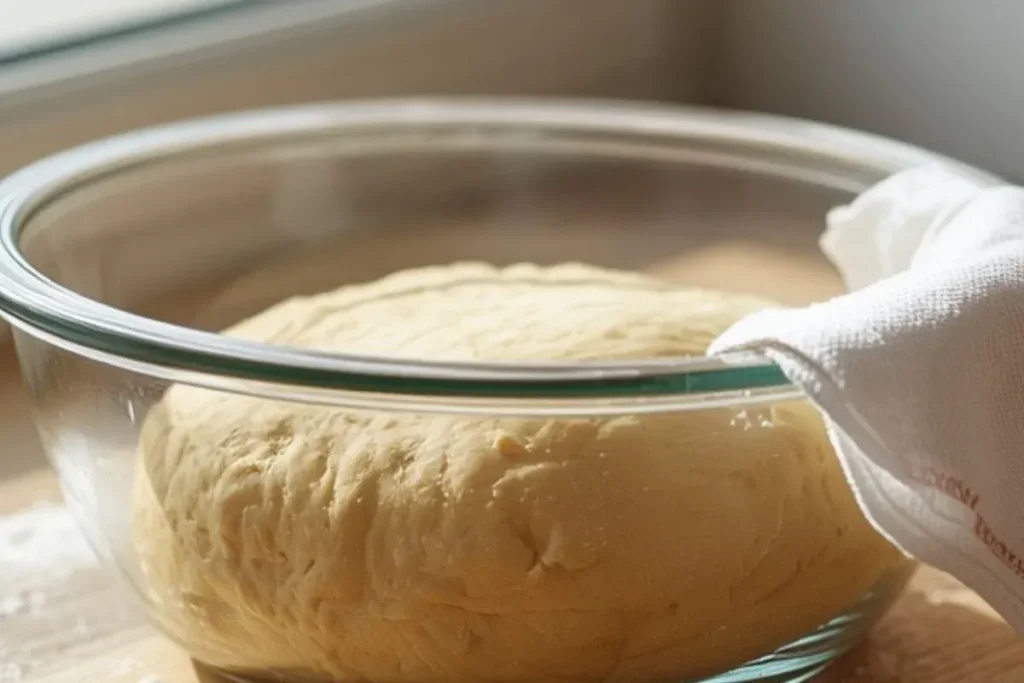
4. You Didn’t Give the Dough Enough Time
Pizza dough doesn’t run on a timer – it runs on conditions. On a warm day it might double in about an hour; in a cooler kitchen, two or three. If the yeast is healthy and the environment’s reasonable, patience is often the only thing actually missing.
How to fix it: Watch the dough, not the clock. You’re looking for roughly doubled in size, not a specific number of minutes.
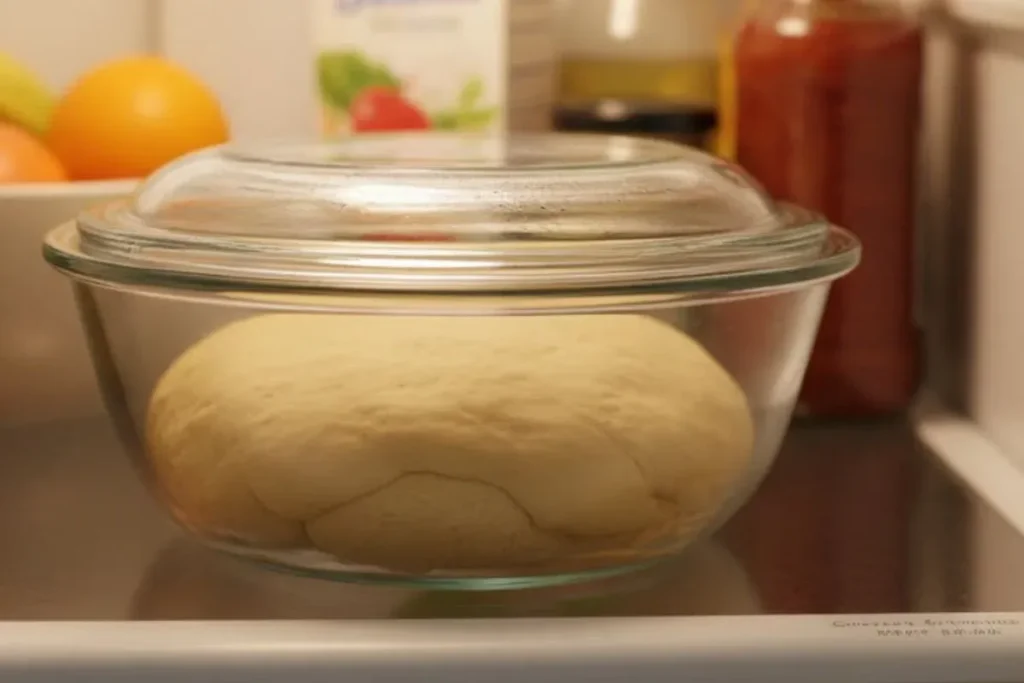
5. Your Kitchen Was Too Cold
Yeast likes warmth and doesn’t do well against cold countertops, AC, or a chilly winter kitchen. Even properly mixed dough can seem lifeless purely because the room is working against it.
How to fix it: Move it somewhere warmer – inside a switched-off oven with the light on, near (not on top of) a warm appliance, or a draft-free corner of the kitchen. Avoid direct heat sources like a radiator or full sun, which create their own problems.
6. You Added Too Much Salt
Salt matters for flavor, but too much of it or letting it touch the yeast directly before both get mixed into the flour can noticeably slow yeast activity.
How to fix it: Measure carefully, and keep salt and yeast separated until they’re both incorporated into the flour. A small habit that prevents a real amount of frustration down the line.
7. Your Dough’s Hydration Was Too Low
This one’s easy to overlook: dough that’s too stiff from not enough water has a harder time expanding, even with perfectly healthy yeast. Low hydration limits how much the gluten network can stretch as gas builds up inside the dough may technically be fermenting, but it just can’t visibly grow the way properly hydrated dough does.
How to fix it: Check your water measurement against the recipe rather than eyeballing it. Properly hydrated dough should feel soft and slightly tacky stiff, dry dough is a sign to add a little more water next time, weighed rather than estimated.
8. The Dough Dried Out While Rising
Easy to miss. An uncovered dough starts drying at the surface, and that dry skin restricts expansion you might notice a rough surface, visible cracks, or a firm crust forming before it even gets near the oven.
How to fix it: Always cover the dough while it proofs a damp towel, plastic wrap, or a tight-lidded bowl all work. The goal is simply keeping the moisture in.
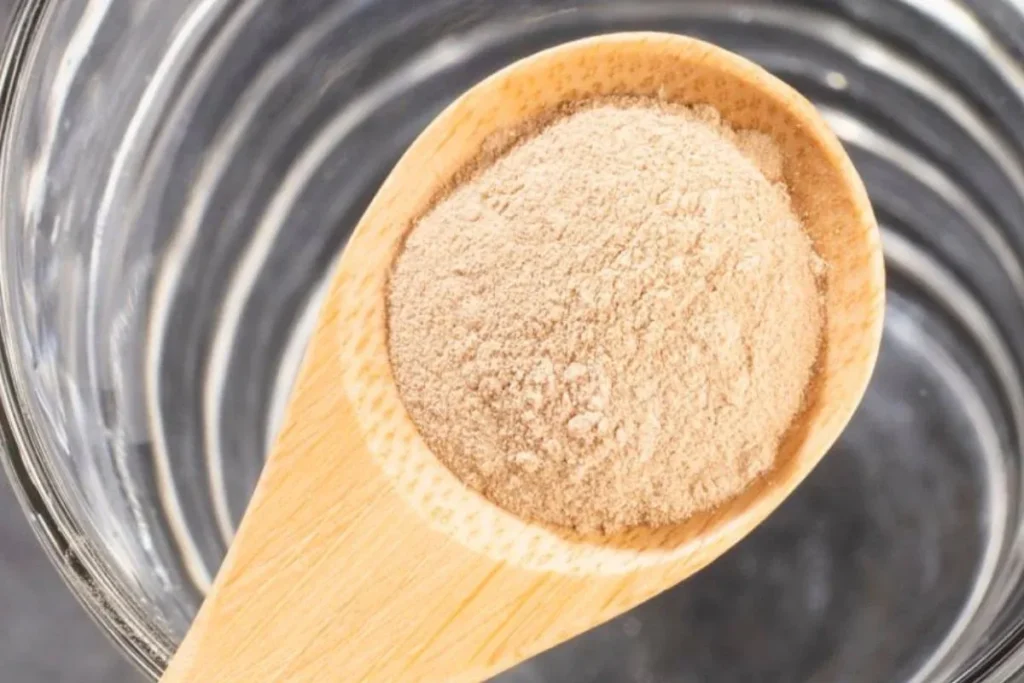
9. You Used Expired Yeast
Sometimes yeast isn’t fully dead, just too old to work efficiently producing a slow, weak rise that leaves you wondering if the recipe itself is wrong.
How to fix it: Check the expiry date and how it’s been stored before you start. If you’re unsure, test it first five minutes of testing beats hours of waiting on dough that was never going to rise properly.
10. Your Dough Didn’t Rise Overnight (or in the Fridge)
Longer doesn’t always mean better. Left on the counter overnight, dough can over-proof, collapse, dry out, or exhaust the yeast entirely. Left in a very cold fridge, it may barely rise because the yeast has gone almost fully dormant which, for cold fermentation, is actually normal and expected, not a failure.
How to fix it for overnight rises: Use less yeast than a same-day recipe calls for, cover well, and refrigerate rather than leaving it on the counter. Pull it out 1-2 hours before shaping so it can warm back up.
If it’s in the fridge and looks barely risen: that’s likely just cold fermentation working as intended. Let it sit at room temperature for 1-2 hours before deciding anything’s actually wrong.

Why Didn’t It Rise in the Oven?
A common point of confusion – the oven finishes a rise, it doesn’t start one. If dough goes in flat, something happened earlier during mixing or proofing, not during baking. Other contributing factors: an oven that wasn’t fully preheated, dough rolled too thin, or dough that over-proofed and collapsed before it ever reached the heat.
Before baking: let the dough complete its rise first, preheat the oven fully, and avoid pressing out all the trapped air when shaping – leave a slightly thicker edge if you want real puff in the crust.
Rescue Steps – What to Try Right Now
- Move it somewhere warmer – a cold kitchen is one of the most common reasons dough seems dead when it isn’t
- Give it another 30-60 minutes – healthy yeast frequently just needs more time than you expected
- Check whether the yeast was ever tested – if you skipped testing, expired yeast is a real possibility worth ruling out
Before you throw it away, ask:
- Does it smell fresh?
- Has it grown even slightly?
- Is the yeast past its expiry date?
- Is your kitchen actually cold?
- Have you genuinely given it enough time?
If it still won’t rise properly, it doesn’t have to go to waste – flatbread, breadsticks, thin-crust pizza, and garlic bread all work fine with dough that’s flatter and denser than planned. Not every batch becomes the pizza you pictured, but that doesn’t mean it belongs in the trash.
7 Mistakes That Stop Pizza Dough from Rising
- Guessing instead of measuring – a few extra grams of flour or water changes dough behavior more than people expect; a kitchen scale beats eyeballing
- Water that’s too hot – feels logical, kills yeast instead of helping it
- Rushing the proofing time – dough doesn’t rise faster because you’re hungry and the toppings are ready
- Forgetting to cover it – a dry surface skin forms fast and blocks proper expansion
- A cold kitchen – if you’re cold enough to want a sweater, your yeast is struggling too
- Old yeast – even unopened packets lose strength eventually; test if you’re unsure
- Giving up too soon – dough that looks lifeless after an hour sometimes doubles thirty minutes later
Frequently Asked Questions
What to do if my pizza dough doesn’t rise?
Move it to a warmer spot, check that your yeast is still active, and give it more time, sometimes it just needs an extra hour or two, especially in a cooler kitchen.
Can I still use pizza dough if it didn’t rise?
Yes, you can still bake it, though the crust will likely be denser and flatter than properly risen dough. It’s still safe to eat, just less airy in texture.
Why isn’t my pizza dough puffing up?
This is usually due to inactive yeast, water that was too hot or cold when mixed, or a cool room temperature slowing fermentation. Check your yeast’s freshness and give it more time in a warmer spot.
Pizza dough didnt rise can I still use it
Yes, you can still use it, though the crust will be denser and less airy. It’s completely safe to eat, just different in texture than a properly risen dough.
If my dough didn’t rise can I still use it
Yes, unrisen dough is safe to bake and eat, though expect a flatter, denser crust rather than the light, airy texture that comes from proper fermentation.
Store bought pizza dough not rising
This is often due to old or expired yeast in the dough, cold storage temperatures, or the dough needing more time at room temperature before it will noticeably rise.
Pizza dough not rising after freezing
Freezing can weaken yeast activity, so thawed dough may rise more slowly or less than fresh dough. Let it thaw fully and rest at room temperature for extra time before baking
How long does it take pizza dough to rise?
Pizza dough typically takes 1-2 hours at room temperature to double in size, though this varies based on yeast activity, temperature, and hydration level.
Pizza dough not rising in fridge
This is normal to some extent since cold slows yeast activity significantly. Fridge fermentation is meant to be slow, often taking 24–72 hours for noticeable rise and flavor development.
How to fix dough that didn’t rise?
Move it to a warmer spot, give it more time, and check that your yeast wasn’t expired or killed by water that was too hot when mixed in.
Why does my pizza dough puff up?
Puffing is caused by trapped gas from yeast fermentation expanding during baking, which is normal and desirable, especially at the crust edges where it creates the characteristic airy rim
You may also enjoy
- Easy Homemade Pizza Dough for Beginners
- Why Is My Pizza Dough So Sticky?
- Best Cheese for Pizza
- Gluten-Free Pizza Crust Recipe