Best Gluten-Free Pizza Recipe Crust (Crispy, Easy & Beginner-Friendly)
Imagine this…
It’s pizza night. Everyone else is reaching for a slice with a perfectly crisp crust, while you’re wondering if your gluten-free version will turn out dry, crumbly or stuck to the baking tray
If you’ve tried making gluten-free pizza before, you probably know the frustration. Some doughs are too sticky to handle, others crack the moment you shape them and many bake into a crust that’s either tough or disappointingly soft
The good news? It doesn’t have to be that way
After testing different techniques and learning what really makes gluten-free dough work, I found a method that produces a crust that’s crisp around the edges, sturdy enough to hold your favourite toppings and tender in the middle
Whether you’re avoiding gluten because of celiac disease, gluten sensitivity or simply personal preference, this recipe is designed to be easy enough for beginners while delivering results you’ll be happy to serve to family and friends

Let’s start with one of the biggest questions people ask before making best gluten free pizza crust recipe
Table of Contents
What Is the Best Gluten Free Flour for Pizza Crust?
Not all gluten-free flours behave the same way
Unlike regular wheat flour, gluten-free flour doesn’t contain gluten, the protein that gives traditional pizza dough its stretch and chewy texture
For the best gluten-free pizza crust recipe, use a high-quality gluten-free all-purpose flour blend that’s specifically designed for baking
Many ready-made blends already contain ingredients such as rice flour, potato starch and tapioca starch, which work together to create a lighter texture
Some blends also include xanthan gum, which helps replace some of the structure that gluten normally provides
If your flour blend already contains xanthan gum, there’s usually no need to add more
Using a balanced flour blend makes a noticeable difference in both texture and ease of handling
What Are Most Gluten Free Pizza Crusts Made Of?
Most gluten-free pizza dough recipes combine several ingredients instead of relying on a single flour
Typical ingredients include
- Gluten-free flour blend
- Instant yeast
- Warm water
- Olive oil
- Salt
- Sugar or honey
- Xanthan gum (if not already included in the flour blend)
These ingredients work together to create a dough that’s soft, easy to shape and capable of baking into a delicious pizza crust
Ingredients
You’ll need:
- 2½ cups gluten-free all-purpose flour blend
- 2¼ teaspoons instant yeast (1 packet)
- 1 teaspoon sugar
- 1 teaspoon salt
- 1 teaspoon xanthan gum (only if your flour blend doesn’t already contain it)
- 2 tablespoons olive oil
- 1 cup warm water (about 40–43°C)
Optional:
- Garlic powder
- Italian seasoning
- Cornmeal for dusting the pizza pan
The ingredients are simple but each one plays an important role in creating a crust that’s both crisp and easy to slice
How to Make the Best Gluten-Free Pizza Crust
Step 1: Activate the yeast
In a bowl, combine the warm water, sugar and yeast
Leave it for about 5–10 minutes until it becomes foamy
If nothing happens, your yeast may no longer be active
Step 2: Mix the dry ingredients
In a large mixing bowl, whisk together:
- gluten-free flour
- salt
- xanthan gum (if needed)
Mixing these first helps distribute everything evenly

Step 3: Make the dough
Add the olive oil and yeast mixture
Mix until a soft dough forms
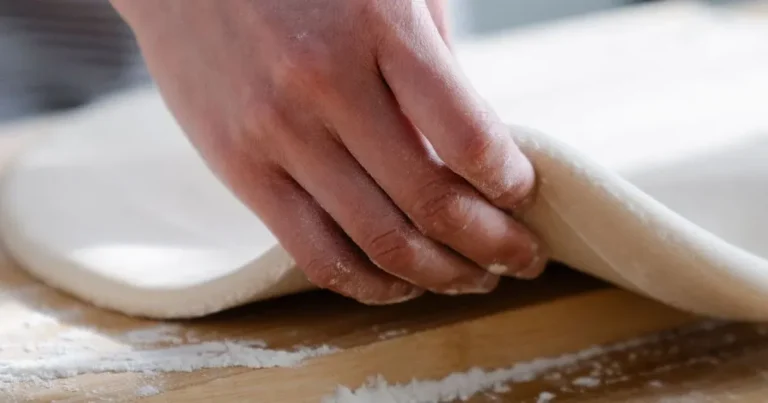
Unlike traditional pizza dough, gluten-free dough is usually softer and slightly stickier. That’s completely normal
Step 4: Let it rise
Cover the bowl with a clean towel and leave it in a warm place for about 45–60 minutes
It won’t double in size like regular dough, but it should become lighter and puffier
Step 5: Shape the crust
Place the dough onto baking paper lightly dusted with gluten-free flour
Use damp hands or a spatula to gently press it into your preferred pizza shape
Aim for an even thickness to ensure it bakes evenly

How to Bake a Crispy Gluten-Free Pizza Crust
One of the biggest secrets to making the best gluten-free pizza crust recipe is to pre-bake the crust before adding your toppings
Pre-baking helps remove excess moisture, creating a crust that’s crisp on the outside while remaining soft inside
Step 6: Pre-Bake the Crust
- Preheat your oven to 220°C (425°F)
- Place the shaped dough on a pizza stone, pizza pan or baking tray lined with parchment paper
- Bake for 8–10 minutes, or until the surface looks dry and the edges begin to turn lightly golden

This simple step helps prevent a soggy centre once the toppings are added
Step 7: Add Your Favourite Toppings
Remove the crust from the oven and add your toppings
For a classic Italian-style pizza, try:
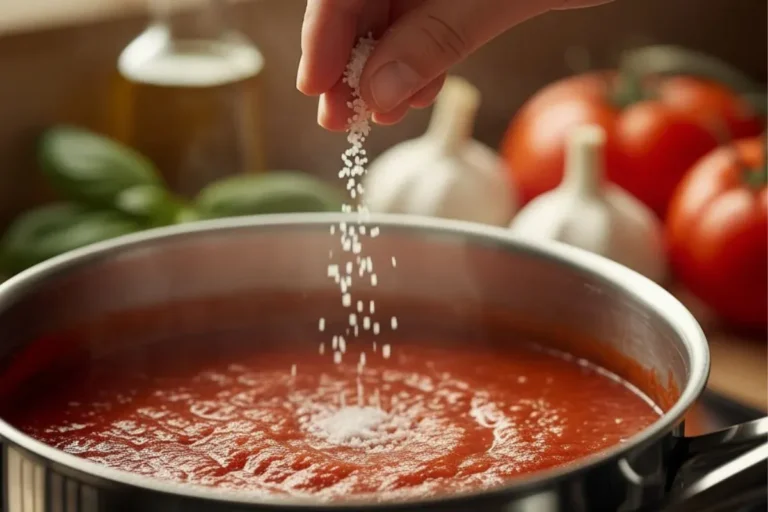
- Homemade pizza sauce
- Fresh mozzarella
- Parmesan cheese
- Cherry tomatoes
- Mushrooms
- Bell peppers
- Pepperoni (optional)
- Fresh basil
Avoid overloading the pizza with too many wet toppings, as they can make the crust soft
Step 8: Bake Until Golden
Return the pizza to the oven and bake for another 10–15 minutes, or until:
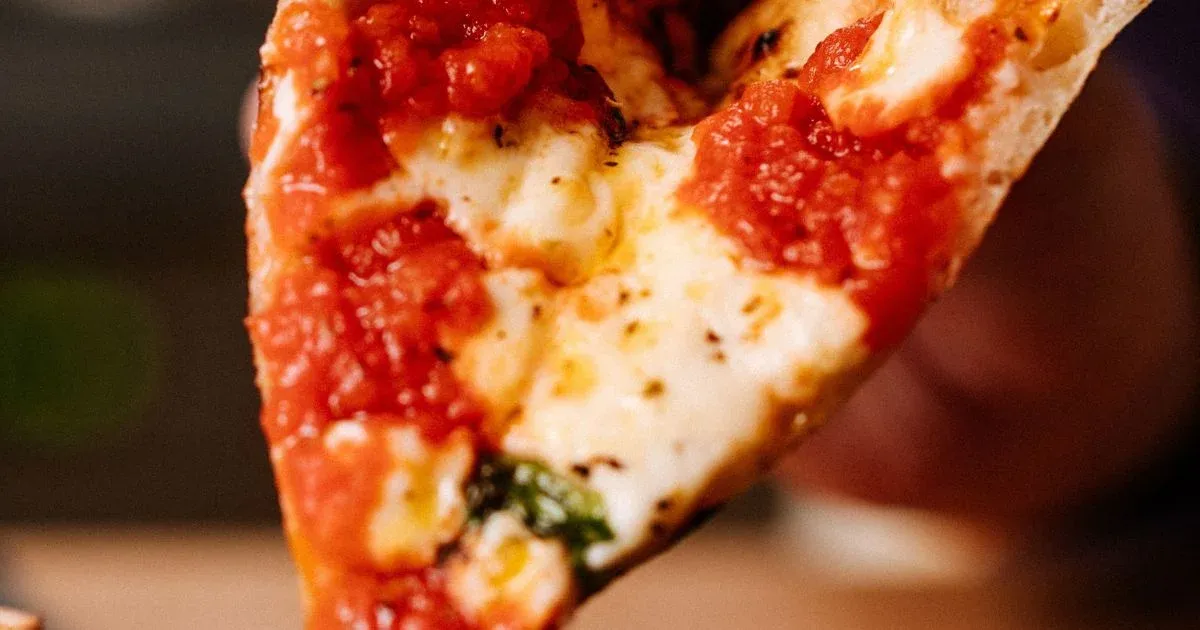
- the cheese is melted and bubbly
- the crust is golden brown
- and the bottom feels crisp
Allow the pizza to rest for about 5 minutes before slicing. This helps the cheese set and makes serving much easier

Common Mistakes When Making Gluten-Free Pizza Dough
Many people believe gluten-free pizza is difficult, but it’s usually a few common mistakes that cause problems
Using Too Much Flour
Unlike traditional pizza dough, gluten-free dough should be slightly sticky
Adding too much flour can make the crust dry and crumbly
Skipping the Pre-Bake
This is one of the biggest reasons gluten-free pizza turns out soggy
Pre-baking gives the crust a head start before the toppings are added
Adding Too Many Wet Toppings
Fresh tomatoes, mushrooms and extra sauce release moisture as they cook
Use them in moderation to keep the crust crisp
Baking at a Low Temperature
Pizza needs high heat
A hot oven helps create a beautifully browned crust while keeping the inside tender
What Are Common Problems with Gluten-Free Pizza Crust?
Even experienced home cooks sometimes run into problems
Here’s how to fix the most common ones
Why Is My Gluten-Free Pizza Crust Crumbly?
A crumbly crust is usually caused by:
- too much flour
- not enough moisture
- overbaking
- or not using a flour blend designed for pizza
Using a quality gluten-free flour blend and measuring ingredients carefully usually solves this problem
Why Is My Gluten-Free Dough So Sticky?
Sticky dough is actually normal
Instead of adding lots of extra flour, lightly wet your hands or grease them with olive oil before shaping the dough
This makes it much easier to handle
Why Isn’t My Gluten-Free Pizza Crispy?
For a crispier crust:
- Pre-bake the dough
- Bake on a pizza stone if possible
- Don’t overload the toppings
- Bake at a high temperature
- Allow the pizza to cool for a few minutes before slicing
Can I Make Gluten-Free Pizza Dough Without Xanthan Gum?
Yes but the texture will be different
Xanthan gum helps replace the elasticity that gluten normally provides
If you’d rather avoid it, some bakers use psyllium husk as an alternative because it helps bind the dough and improves flexibility
If your gluten-free flour blend already contains xanthan gum, there’s no need to add extra
Can I Make Gluten-Free Pizza Crust Without Yeast?
Yes
If you’re short on time or simply don’t have yeast, you can make a quick gluten-free pizza crust using baking powder as the leavening agent
The crust won’t have the same airy texture as a yeast-based dough but it can still make a delicious homemade pizza
How to Store and Freeze Gluten-Free Pizza Dough
One of the best things about this recipe is that you can prepare it in advance
In the Refrigerator
Store the dough in an airtight container for up to 2 days before baking
In the Freezer
Wrap the dough tightly in plastic wrap and place it inside a freezer-safe bag
Freeze for up to 3 months
When ready to use, thaw it overnight in the refrigerator before shaping and baking
This is perfect for busy weeknights when you want homemade pizza without making dough from scratch
Frequently Asked Questions
What Is Meant by Gluten-Free Pizza?
Gluten-free pizza is made without wheat, barley or rye.. The grains that naturally contain gluten. Instead, the crust is prepared using gluten-free flours such as rice flour, tapioca starch and potato starch. It’s suitable for people with celiac disease or gluten sensitivity when prepared carefully to avoid cross-contamination
What Is the Best Gluten-Free Flour for Pizza Crust?
A high-quality gluten-free all-purpose flour blend usually gives the best results because it’s designed to mimic the structure of wheat flour. Many blends already contain xanthan gum, which helps improve the texture and makes the dough easier to handle
Can I Freeze Gluten-Free Pizza Dough?
Yes. Gluten-free pizza dough freezes well. Wrap it tightly in plastic wrap, place it in a freezer-safe bag and freeze for up to 3 months. Thaw it overnight in the refrigerator before using
Can I Make This Recipe Ahead of Time?
Absolutely. Prepare the dough a day in advance and refrigerate it until you’re ready to bake. This is a great time-saving option for busy weeknights or family pizza nights
How Do I Get a Crispy Gluten-Free Pizza Crust?
For the crispiest crust:
- Pre-bake the dough before adding toppings
- Bake at a high temperature (220°C/425°F)
- Avoid adding too much sauce or watery vegetables
- If possible, bake on a preheated pizza stone or steel
- Let the pizza cool for a few minutes before slicing
These simple steps make a big difference
Expert Tips for the Best Gluten-Free Pizza Crust
If you want bakery-quality results keep these tips in mind…
Measure Your Flour Correctly
Scooping flour directly with a measuring cup can pack in too much flour, making the dough dry. Instead, spoon the flour into the measuring cup and level it off with a knife for more accurate results
Don’t Skip the Resting Time
Allowing the dough to rest gives the flour time to absorb moisture, making it easier to shape and improving the finished texture
Less Is More with Toppings
It can be tempting to pile on lots of toppings but too many can weigh down a gluten-free crust. Choose a few quality ingredients instead of overloading the pizza
Use Fresh Ingredients
Fresh mozzarella, homemade pizza sauce and good-quality olive oil can transform a simple homemade pizza into something truly special
Key Takeaways
Here’s what to remember:
- Use a quality gluten-free flour blend
- Check whether your flour already contains xanthan gum
- Don’t worry if the dough feels stickier than regular pizza dough
- Pre-bake the crust for a crispier result
- Avoid overloading the pizza with wet toppings
- A pizza stone or steel helps create a crisp base
- The dough can be refrigerated or frozen for future meals
Final Thoughts
Finding the best gluten-free pizza crust recipe can feel overwhelming especially when you’ve tried recipes that turned out dry, crumbly or disappointing. The good news is that gluten-free pizza doesn’t have to be difficult. With the right flour blend, a little patience and a few simple techniques, you can make a crust that’s crisp around the edges, tender in the middle and sturdy enough to hold your favourite toppings
Whether you’re cooking for yourself, a family member with gluten intolerance or someone living with celiac disease, this recipe is designed to make homemade pizza enjoyable again
I hope this guide gives you the confidence to make gluten-free pizza from scratch and enjoy every bite
Happy baking!
Sonia Romano
You May Also Like
If you enjoyed this recipe, you might also like
Easy Italian Marinara Sauce Recipe
Easy Italian Garlic Bread
How to Thicken Pasta Sauce
Creamy Chicken and Mushroom Pasta