Why Is My Pizza Dough Too Chewy? 8 Causes & How to Fix It
Quick answer: Pizza dough usually turns out too chewy from too much flour, under-proofing, over-kneading, rolling the dough too thick, baking too long, or an oven that isn’t hot enough. Fix the one that fits your situation and the next batch comes out lighter and easier to bite through
A little chew is actually a good thing it’s part of what makes real pizza satisfying. The problem starts when it crosses over into tough, rubbery, or tiring to eat. Here’s how to tell which mistake is yours
Is Chewy Pizza Dough Actually Bad?
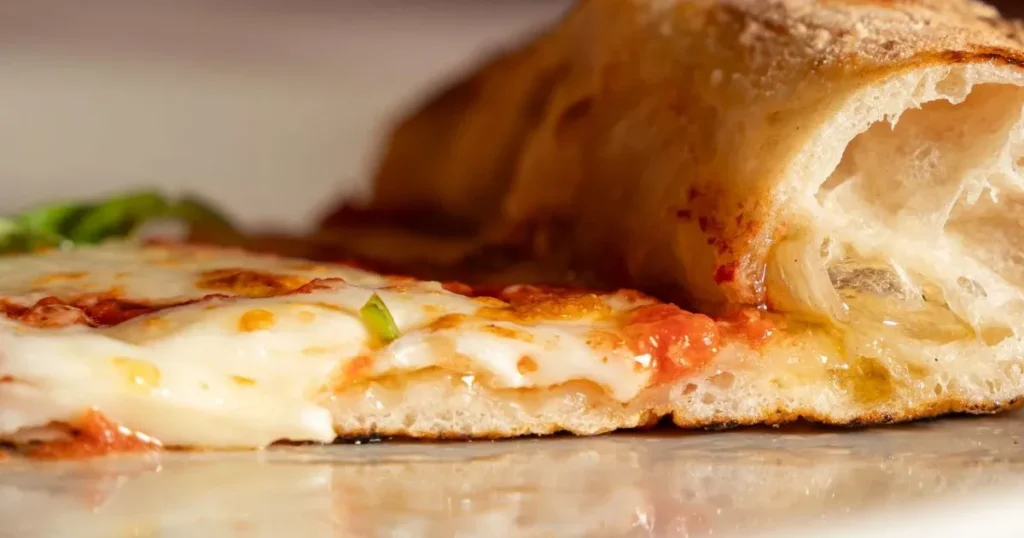
Not automatically. Plenty of traditional Italian pizzas have a pleasant, satisfying chew built in. It becomes a problem when the crust turns:
- Difficult to bite through
- Rubbery
- Tough around the edges
- Dense in the middle
- Genuinely tiring to chew
If that’s what you’re dealing with, something needs adjusting. You’re not trying to eliminate chew entirely you’re trying to land on light, airy and pleasantly chewy instead of a workout
How to Tell What’s Making Your Dough Chewy
| What you’re noticing | Most likely problem | What to try |
|---|---|---|
| Dough feels stiff and dry | Too much flour | Measure carefully, resist adding more |
| Crust is dense even though it rose | Under-proofed | Let it rise fully, don’t rush the clock |
| Dough felt tight and hard to shape | Over-kneaded | Stop at smooth and elastic, do the windowpane test |
| Center is thick and bread-like | Rolled too thick | Stretch evenly, thinner in the middle |
| Pizza took a long time to bake | Oven not hot enough | Preheat fully, use a stone or steel |
| Crust feels dry after baking | Baked too long | Bake hot and fast, don’t over-time it |
| Dough felt firm before baking | Not enough hydration | Follow the recipe’s water measurement |
Chewy Dough Just One of Your Problems?
If it’s not just chew if you’re also fighting dough that’s sticky, dense, tearing, or won’t rise at all that’s exactly what The Pizza Dough Problem Solver is built for. It walks you through what you’re seeing, the likely cause, how to confirm it and the fix, so pizza night stops being a guessing game

1. You Added Too Much Flour
This is the most common cause, hands down. The dough feels sticky, so you add a little flour. Still sticky? Add more. Before long, the dough has changed completely drier, tighter and after baking, chewier than you wanted
How to fix it: Measure your flour instead of adding it by feel. A little tackiness is normal for pizza dough a light dusting on your hands is usually all you need to handle it
2. The Dough Didn’t Rise Long Enough
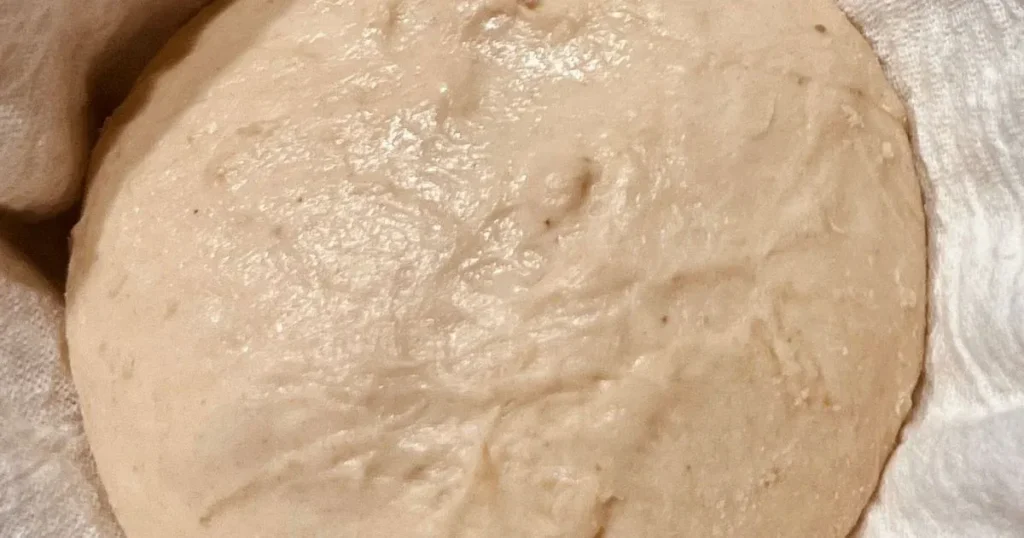
Rise time isn’t just about size it’s when gluten relaxes and air pockets form throughout the dough. Cut that time short and those pockets never fully develop, leaving you with a denser, chewier crust
How to fix it: Let the dough roughly double in size before moving on. A cooler kitchen slows things down don’t watch the clock, watch the dough
3. You Over-Kneaded the Dough
More kneading isn’t always better. Past a certain point especially with a stand mixer left running too long the gluten gets too tight and that tightness shows up as toughness in the finished crust
How to fix it: Knead only until the dough turns smooth and elastic. When you’re not sure it’s ready, the windowpane test beats guessing
4. Your Dough Was Rolled Too Thick
Sometimes the recipe’s fine and the shape is the issue. A thick base takes longer to bake the outside browns while the inside stays dense and bread-like, which reads as chewy
How to fix it: Stretch evenly, leaving the edge slightly thicker for the crust while the center goes thin enough to cook through quickly
5. Your Oven Wasn’t Hot Enough
Easy to overlook because it has nothing to do with the dough itself. Home ovens can’t match professional pizza oven temperatures, but they still need to be fully preheated. A cooler oven means longer bake time and longer bake time pulls more moisture out of the crust a common cause of dry, chewy pizza
How to fix it: Preheat completely. If you’re using a stone or steel, give it at least 30 minutes to heat through alongside the oven
6. You Used the Wrong Flour
Flour isn’t one-size-fits-all protein content varies, and higher-protein flours build stronger gluten. That’s good for structure, but without the right hydration, kneading and proofing to match, it can push your crust toward chewy
How to fix it: If you want a softer crust, try a dedicated pizza flour or a balanced all-purpose. Using bread flour specifically? Make sure hydration and fermentation time are dialed in to match it
7. You Baked the Pizza for Too Long
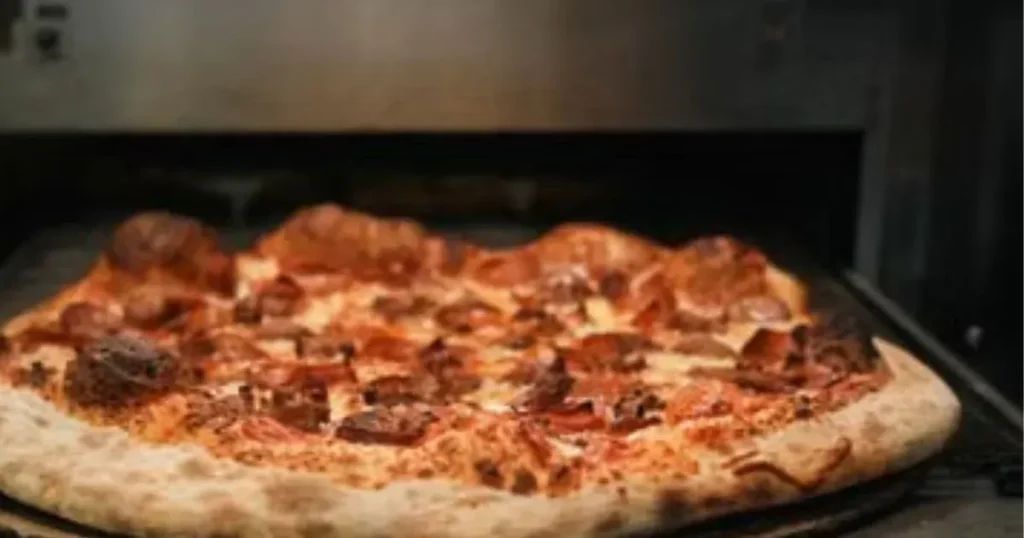
Even good dough turns chewy if it’s in the oven too long moisture keeps evaporating the whole time, and the crust firms up more than you want. This usually happens when the oven wasn’t hot enough to begin with, forcing a longer bake
How to fix it: Bake at the highest safe temperature your oven allows most home ovens do well around 240–260°C (465–500°F). Hot and fast beats low and slow here
8. The Dough Wasn’t Hydrated Enough
Less water in the dough means a firmer dough, and firmer dough tends to bake up chewier. This one sneaks up on people because it’s often self-inflicted adding flour every time the dough feels sticky quietly lowers hydration each time
How to fix it: Stick to the recipe’s water measurement and resist the flour reflex. Slightly tacky dough is usually a good sign, not a problem to fix
The Short Version
If you only take away a few things:
- Measure flour, don’t eyeball it
- Don’t over-knead
- Give the dough real rise time
- Stretch evenly
- Preheat the oven fully
- Don’t overbake
- Get the water right
Nail these basics and most homemade pizza problems solve themselves
Frequently Asked Questions
How to make pizza dough less chewy?
Reduce kneading time slightly, use a lower-protein flour, and avoid over-proofing, since these factors all contribute to a lighter, less chewy texture in the finished crust.
How to fix pizza dough that is too tough?
Increase hydration slightly, reduce kneading time, and allow for a longer, slower rise to develop flavor and softness without overworking the gluten.
How thick should pizza crust be before baking?
Pizza crust is typically stretched to about 1/4 inch thick for a classic style, though this varies based on preference, thin crust being thinner and thick or pan-style being noticeably more.
My pizza dough is still sticky. What can I do to fix it?
Lightly flour your hands and work surface rather than adding more flour to the dough itself, which can throw off the hydration balance and texture.
Why is my pizza dough too chewy reddit
Home bakers often attribute overly chewy dough to over-kneading, using high-protein bread flour, or under-proofing, all of which affect gluten development and final texture.
How to fix tough pizza dough
Increase hydration slightly, reduce kneading time, and allow for a longer, slower rise to develop flavor and softness without overworking the gluten.
Why is my pizza dough hard to stretch
This is usually due to under-resting the dough or gluten that’s too tight from kneading. Let it rest longer at room temperature so the gluten relaxes before stretching.
Frozen pizza crust too hard
This is often caused by baking at too high a temperature or for too long. Follow package instructions closely and consider covering with foil if the crust hardens before the center is fully heated.
How to keep pizza crust from getting hard when reheating
Reheat in a skillet over low heat with a lid, or in the oven at a moderate temperature, rather than the microwave, which tends to make crust chewy or hard.
Quick chewy pizza dough recipe
Combine flour, warm water, instant yeast, salt, and olive oil, knead briefly, and let rest just 30-45 minutes for a quicker dough with a naturally chewier bite than a long-fermented version.
Final Thoughts
A chewy crust doesn’t automatically mean something went wrong a little chew is part of good pizza. The goal is landing on light and pleasantly chewy, not tough and tiring to eat
If your pizza feels more like a workout than dinner, the fix usually comes down to one or two small adjustments, not a complete overhaul. Make a few changes at a time, pay attention to what shifts and you’ll dial it in faster than you’d expect