Pizza Dough Too Dense? 8 Reasons Why & How to Fix It
You wait for your pizza dough to rise, shape it, add your favorite toppings and slide it into the oven expecting a light, airy crust. Then you pull it out and realize something went wrong
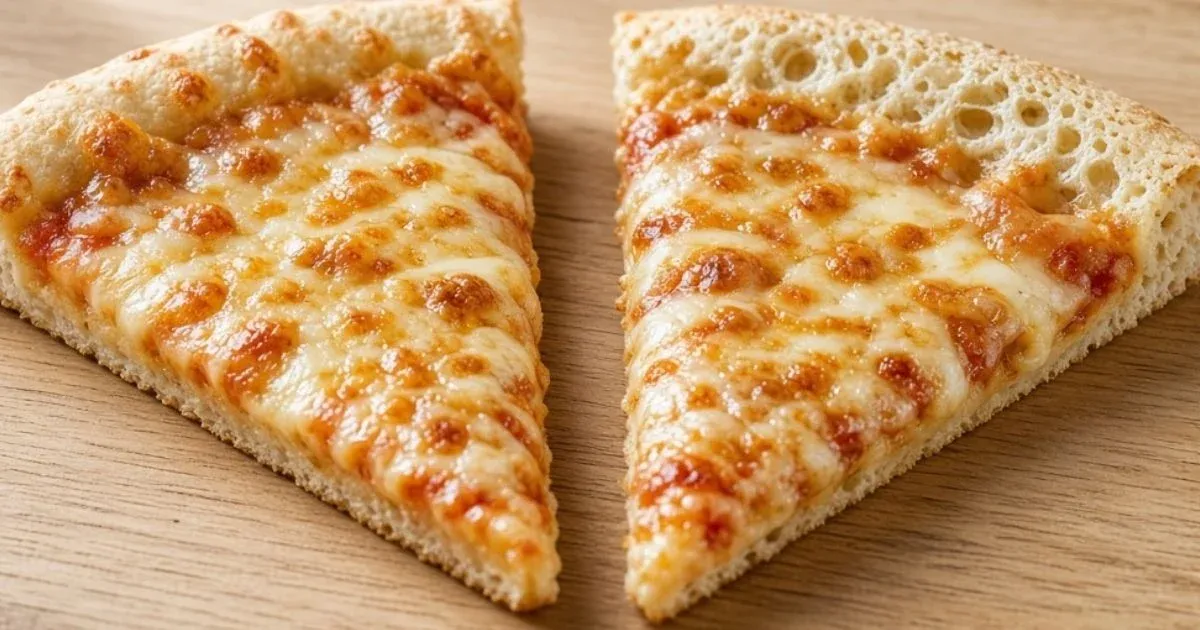
The crust is heavy, compact and almost bread-like instead of soft and airy with those little pockets of gas you were hoping for
So, why is your pizza dough too dense?
Usually, it’s not one huge mistake. It can come down to not giving the dough enough time to rise, using too much flour, weak yeast, poor gluten development, rough handling or an oven that isn’t hot enough. Once you know what to look for, you don’t have to keep guessing

Quick Answer: Why Is My Pizza Dough Too Dense?
Pizza dough usually turns out dense when it doesn’t develop enough gas during fermentation or can’t hold onto that gas before and during baking.
The most common reasons are:
- The dough didn’t rise enough
- The yeast wasn’t active
- Too much flour was added
- The gluten didn’t develop properly
- The dough wasn’t hydrated enough
- The dough didn’t rest before shaping
- Too much air was pressed out during shaping
- The oven wasn’t hot enough
Before changing your recipe, look at the dough itself. Its texture, rise, bubbles and behavior can tell you a lot about what went wrong
How to Tell What Made Your Pizza Dough Dense
Not every dense pizza has the same problem. If your dough barely rose, that’s a different situation from dough that rose beautifully but came out flat after baking
Here’s a quick way to narrow it down:
| What you’re noticing | Most likely problem | What to try |
|---|---|---|
| Dough barely rose | Under-proofing | Give it more time to ferment |
| Dough feels heavy and stiff | Too much flour | Measure your flour carefully |
| Very few air bubbles | Weak fermentation | Check your yeast and rising conditions |
| Dough is difficult to stretch | Tight gluten | Let it rest before shaping |
| Pizza stays flat in the oven | Oven isn’t hot enough | Preheat thoroughly |
| Dough feels soft but still bakes dense | Weak gluten development | Work the dough until it becomes elastic |
| Dough becomes flat after shaping | Too much air was pressed out | Stretch gently by hand |
| Dough feels firm and doesn’t expand well | Low hydration | Follow the recipe’s water measurement |
Still Having Pizza Dough Problems?
If dense dough isn’t your only problem and you’ve also dealt with dough that’s sticky, dry, chewy, tearing, shrinking or refusing to rise. I made something for that
The Pizza Dough Problem Solver is a practical troubleshooting guide designed to help you work out what’s happening with your dough, check the likely cause, fix it and prevent the same problem next time

1. Your Dough Didn’t Rise Enough
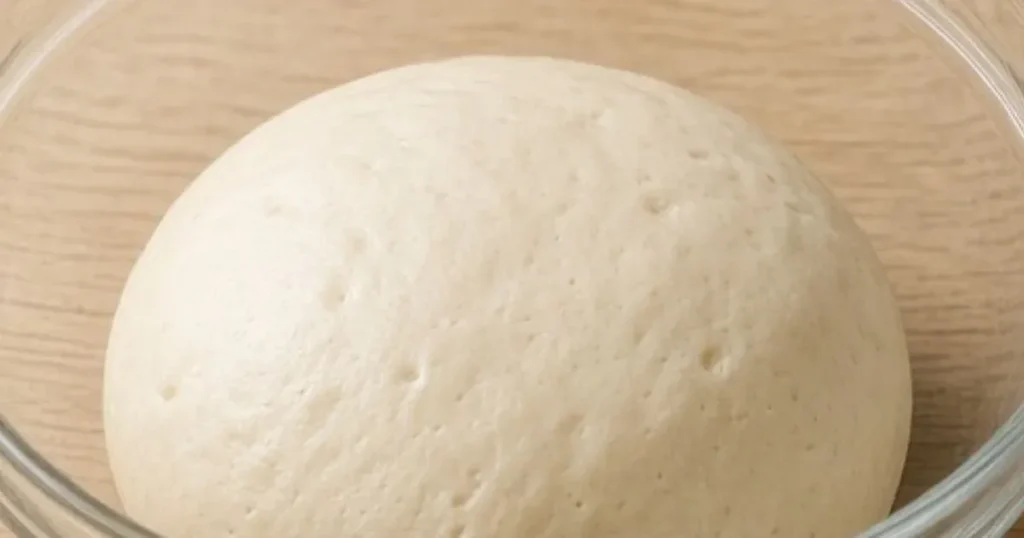
Let’s start with the most obvious one: the dough simply didn’t ferment enough
Yeast produces carbon dioxide as it ferments. Those tiny pockets of gas are what help give pizza dough its lighter texture
If the dough doesn’t have enough time to ferment, there won’t be much air trapped inside when it goes into the oven
Signs your dough may be under-proofed
Look for these clues:
- It barely increased in size
- It feels heavy when you pick it up
- You see very few bubbles
- It looks flat rather than puffy
- The baked crust is compact and heavy
How to fix it
Give the dough more time
And don’t panic if your dough takes longer than the recipe says. A cool kitchen can slow fermentation considerably
The dough matters more than the clock
If it still looks and feels dense, it may simply not be ready yet

2. Your Yeast Wasn’t Working Properly
Sometimes the dough doesn’t rise because the yeast wasn’t active enough in the first place
This can happen if:
- The yeast has expired
- The water was too hot
- The water was too cold
- The dough was left in a very cold place
- The yeast wasn’t stored properly
If the yeast isn’t producing enough gas, the dough won’t develop the airy structure you’re looking for
How to fix it
Check the expiration date on your yeast
If you’re using active dry yeast and your recipe calls for activating it first, follow the instructions and look for signs of activity
If nothing happens when the yeast should be activating, don’t build your whole pizza around it. Start with fresh yeast

3. You Added Too Much Flour
This is one of the easiest mistakes to make
The dough feels sticky, so you add a little flour
Still sticky?
Add another handful
Before you know it, you’ve changed the dough completely
Too much flour can make pizza dough stiff, heavy and less able to expand
How to fix it
Measure your flour carefully rather than adding it by feel
And remember: a little stickiness isn’t necessarily a problem
Instead of covering the dough in flour, lightly flour your hands or work surface when you need help handling it
If you bake pizza regularly, a kitchen scale can also make your measurements much more consistent
4. Your Dough Didn’t Develop Enough Gluten
Gluten gives pizza dough the structure it needs to stretch and hold onto the gas produced during fermentation
If the gluten network isn’t developed properly, your dough may struggle to hold those bubbles
The result?
A crust that rises poorly and feels more compact than you wanted
Signs this could be the problem
Your dough may:
- Tear easily
- Feel weak
- Be difficult to stretch
- Struggle to hold its shape
- Look flat even after fermentation
How to fix it
Follow the kneading or mixing instructions in your recipe and work the dough until it becomes smoother and more elastic
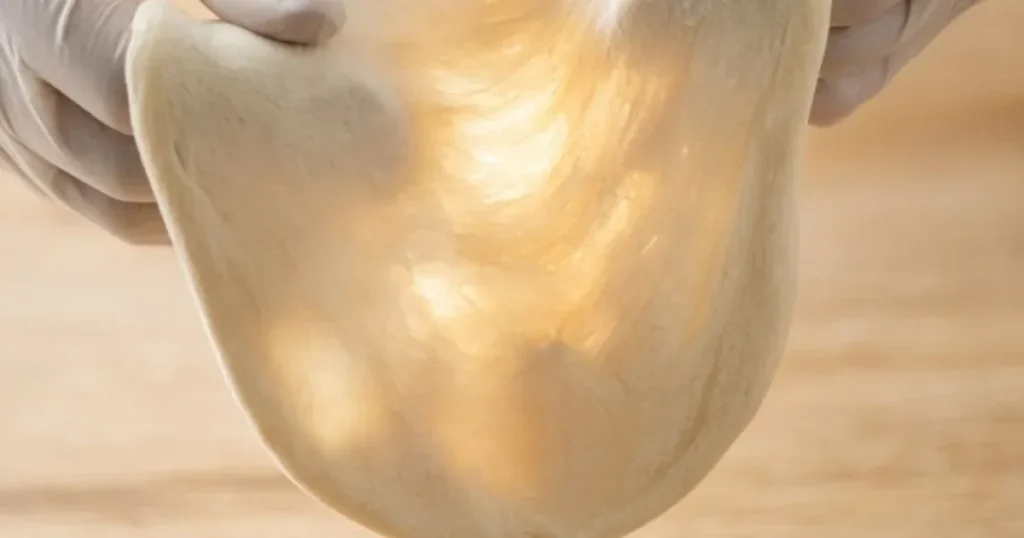
You can also try the windowpane test
Pinch off a small piece of dough and gently stretch it between your fingers
If you can stretch it thin enough to let some light through without it tearing immediately, the gluten has developed well
5. Your Oven Wasn’t Hot Enough
Here’s something that’s easy to overlook:
Your dough can be perfectly fine and still produce a disappointing crust if the oven isn’t hot enough
Pizza needs strong heat to get that quick burst of expansion during baking
If the oven and baking surface aren’t properly heated, the dough may bake more slowly instead of getting the strong oven spring you’re after
How to fix it
Preheat your oven thoroughly before the pizza goes in
If you’re using a pizza stone or pizza steel, give it enough time to heat through as well
Don’t rush the preheating step just because the oven display says it has reached the set temperature
A properly heated baking surface can make a noticeable difference in how the bottom of the pizza cooks and how the crust develops
6. You Didn’t Let the Dough Rest Before Stretching
Your dough may have fermented beautifully and still end up dense because of what happens after fermentation
If refrigerated dough is still cold and tight when you try to stretch it, it can be difficult to handle without knocking out some of the gas you’ve worked so hard to build
How to fix it
If your recipe calls for bringing refrigerated dough to room temperature, give it enough time to relax before shaping
Then handle it gently
You want to stretch the dough, not flatten it
If your dough keeps fighting you and snapping back while you stretch it, giving it a little more rest can make the job much easier
7. You Pressed Too Much Air Out
This one is especially easy to do if you’re used to rolling dough with a rolling pin
Pizza dough isn’t meant to be treated like pie dough
Those little gas bubbles that formed during fermentation are useful. If you aggressively flatten the dough, you can push too much of that gas out before it reaches the oven
That can leave you with a flatter, denser crust
How to fix it
Use your fingertips to gently press and stretch the dough from the center outward
Try to leave a slightly thicker edge if you want a puffy crust
And instead of rolling the dough completely flat, stretch it gently by hand whenever the recipe allows
8. Your Dough Wasn’t Hydrated Enough
Hydration simply refers to the amount of water in the dough compared with the flour
If there isn’t enough water, the dough can become firm and struggle to expand
And here’s where this connects to another common mistake:
adding too much flour
You may think you’re only fixing stickiness, but every extra handful of flour changes the dough’s hydration
How to fix it
Stick to the water measurement in your recipe
If the dough feels a little sticky at first, don’t immediately assume you’ve done something wrong
Give it time to come together and develop before reaching for more flour

How to Make Pizza Dough Lighter and Airier
You don’t need to completely change your recipe
Start with these basics:
- Use fresh, active yeast
- Measure your flour carefully
- Give the dough enough time to ferment
- Pay attention to the temperature of your dough and kitchen
- Develop the gluten properly
- Don’t keep adding flour to fix every sticky moment
- Let refrigerated dough relax before shaping
- Stretch gently instead of flattening it
- Preheat your oven and baking surface thoroughly
And here’s one of the biggest troubleshooting tips I can give you:
Don’t change everything at once
If you change the flour, yeast, water, proofing time, kneading method and oven temperature all in one batch, you won’t know what actually fixed the problem
Change one or two things, make another pizza and pay attention to what happens
What If My Pizza Dough Is Already Dense?
If the dough hasn’t been baked yet, you may still have time to improve it
For example, if it simply hasn’t fermented enough, giving it more time may help
But if you’ve already baked the pizza and the crust is dense, there’s no way to turn that finished crust into a light, airy one
Instead, use the pizza as a clue
Ask yourself:
Did the dough rise properly?
Was the yeast active?
Did I add extra flour?
Was the dough difficult to stretch?
Did I press most of the air out?
Was the oven fully preheated?
Those answers can help you figure out what to change the next time
Still Can’t Figure Out What’s Wrong With Your Dough?
Sometimes the frustrating part isn’t knowing that your pizza went wrong
It’s figuring out why
A dough that’s sticky doesn’t always need more flour. A dough that isn’t rising doesn’t always need more yeast. And a dense crust doesn’t always mean you simply didn’t knead enough
The same symptom can have different causes
That’s exactly why I created The Pizza Dough Problem Solver
It’s designed to help you work through the problem instead of guessing starting with what you’re seeing, narrowing down the likely cause, checking whether it fits and then choosing the appropriate fix
The Pizza Dough Problem Solver $13.93
Having pizza dough problems? Stop guessing. Find the cause, fix it and know what to change next time
Frequently Asked Questions
What to do if pizza dough is too dense?
Let the dough proof longer to build more air pockets, avoid over-kneading, and make sure your yeast is fresh and active before mixing.
How can I make my pizza dough more airy?
Use a longer, slower fermentation, handle the dough gently when shaping to preserve air bubbles, and avoid pressing out all the gas before baking.
Why is my pizza dough not light and fluffy?
This is usually caused by under-proofing, too little yeast, or over-kneading, all of which limit the air pockets needed for a light, fluffy texture.
Pizza dough too dense how to fix
Let it proof longer to develop more air, avoid overworking the dough during shaping, and check that your yeast is fresh and active before starting.
Pizza dough too dense reddit
Home bakers commonly point to under-proofing, old yeast, or over-kneading as the main causes, along with recommending longer rise times for a lighter texture.
How to fix dense pizza dough
Increase proofing time, avoid over-kneading, and make sure your yeast is active. A longer, slower fermentation in the fridge can also improve texture.
Pizza dough too dense in oven
This usually means the dough was under-proofed before baking, or the oven temperature was too low to create the oven spring needed for a light, airy crust
Pizza dough recipe
A basic pizza dough combines flour, water, yeast, salt, and olive oil, kneaded until smooth and left to rise until doubled in size before shaping and baking.
Pizza dough too elastic
Overly elastic dough usually means the gluten hasn’t relaxed enough. Let it rest longer before shaping so it becomes easier to stretch without springing back.
Pizza dough too relaxed
Overly relaxed dough can feel slack and tear easily since it lacks structure. This is often from over-proofing or too much resting time; handle gently and reshape if needed.
Pizza dough skin
A dough “skin” refers to a dry outer layer that forms when dough is left uncovered, caused by moisture evaporating from the surface. Keep dough covered to prevent this.
Final Thoughts
A dense pizza crust doesn’t mean you’re hopeless at making pizza
More often, your dough is giving you a clue
Maybe it needed more time. Maybe the yeast wasn’t active. Maybe you added more flour than you realized. Maybe the dough needed a little more gluten development. Or maybe the oven wasn’t hot enough
The trick is to stop treating every pizza problem the same way
Look at the dough. Work out what changed. Then fix that specific problem
And if you find yourself dealing with more than just dense dough, keep The Pizza Dough Problem Solver handy so you have one place to turn when the next batch decides to misbehave