
Why Is My Cheese Rubbery? 8 Reasons and How to Fix It
Quick answer: Cheese turns rubbery when its proteins tighten and squeeze out moisture usually from too much heat, cooking it too long, using a low-moisture or poor-melting cheese, or reheating it too aggressively. Gentle heat and the right cheese type fix most rubbery-cheese problems
If you’ve pulled cheese off the heat expecting smooth and stretchy and gotten tough and chewy instead, you’re dealing with one of a small set of common causes and every one of them is fixable

How to Tell What’s Making Your Cheese Rubbery
| What you’re noticing | Most likely problem | What to try |
|---|---|---|
| Cheese tightened up fast on high heat | Overheated | Melt low and slow |
| Was fine, then went chewy the longer it cooked | Cooked too long | Pull it as soon as it’s melted and bubbling |
| Never had good stretch to begin with | Wrong cheese type | Switch to mozzarella, fontina, or gouda |
| Pizza cheese dried out and toughened | Low-moisture mozzarella overbaked | Bake hot and fast, don’t overbake |
| Sauce went from creamy to tight | Heated too fast | Low heat, add cheese gradually, don’t boil |
| Shreds never melted evenly | Pre-shredded with anti-caking coating | Shred your own from a block |
| Cheese dried out over time on heat | Lost too much moisture | Cover the dish, avoid prolonged heat |
| Cheese stays firm no matter what | Naturally firm cheese (e.g. halloumi) | Match the cheese to the dish |
1. You Overheated the Cheese
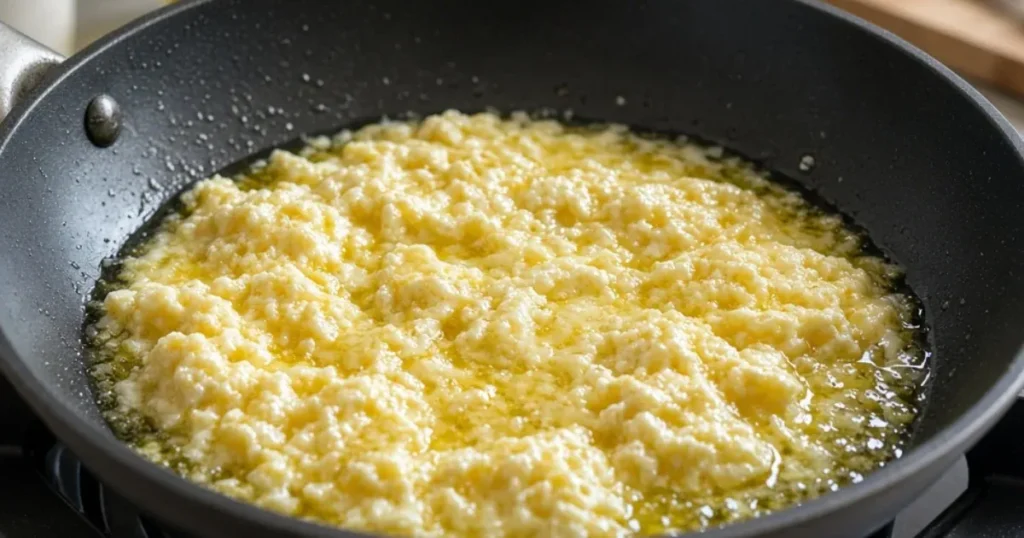
This is the single biggest cause. High heat makes cheese proteins tighten up fast, squeezing out fat and moisture instead of staying creamy you’re left with something tough instead of smooth. It shows up most with pizza cheese baked too long, cheese sauce cooked too hot, or melted cheese left on the heat longer than it needed
How to fix it: Melt cheese over low to medium heat, and never let a cheese sauce boil boiling is almost guaranteed to cause separation and toughness
2. You Cooked the Cheese for Too Long
Even a great melting cheese turns rubbery with enough time on heat. Mozzarella on pizza can go from perfectly stretchy to chewy and tough just from sitting in the oven a few extra minutes
How to fix it: Pull it as soon as the cheese is melted and bubbling resist the urge to leave it in “just a bit longer” for extra browning
3. You Used the Wrong Type of Cheese
Not every cheese melts the same way. Some go smooth and creamy under heat; others turn firm or chewy no matter what you do to them
Melts well: mozzarella, cheddar, fontina, gouda
How to fix it: Match the cheese to the dish. For pizza specifically, mozzarella is the standard because it melts evenly and stretches well
4. Your Mozzarella Is Too Low in Moisture
Low-moisture mozzarella is the go-to for pizza because it melts well and browns nicely but overheat it and it turns chewy fast
How to fix it: Use low-moisture mozzarella for baking where you want good browning and fresh mozzarella when you want something softer and creamier. Either way, don’t overcook it

5. Your Cheese Sauce Was Heated Too Quickly
Fast, high heat tightens the proteins in a cheese sauce the same way it does on pizza the sauce loses its smooth texture and can turn grainy or rubbery
How to fix it: Keep the heat low, add cheese gradually while stirring continuously and never let the sauce boil
6. Pre-Shredded Cheese Didn’t Melt Properly
Packaged shredded cheese often carries anti-caking coatings that stop the shreds from clumping in the bag but those same coatings interfere with a smooth melt
How to fix it: Buy a block and shred it yourself right before cooking. It melts noticeably smoother
7. The Cheese Lost Too Much Moisture
Cheese needs its moisture to stay creamy. The longer it’s exposed to heat, the more it evaporates off and dry cheese reads as tough and rubbery
How to fix it: Avoid unnecessary extended heat exposure, and cover dishes where appropriate to help retain moisture
8. Your Cheese Naturally Has a Firm Texture
Some cheeses are built to hold their shape under heat rather than melt into something smooth halloumi is the classic example. That’s not a mistake, it’s just how that cheese behaves
How to fix it: Pick your cheese based on what the dish actually needs. A cheese that’s great for grilling isn’t necessarily right for pizza or sauce
If Your Cheese Is Already Rubbery
A few ways to rescue it:
- Add moisture – a splash of milk or cream stirred into a sauce can bring back some smoothness
- Reheat gently – low heat only, so it doesn’t tighten further
- Blend cheeses – combining a rubbery cheese with a better-melting one (mozzarella + cheddar, mozzarella + fontina) can improve the overall texture
Getting Stretchier Cheese
For the best stretch: use mozzarella, melt slowly, shred it fresh rather than buying pre-shredded, avoid overheating, and keep moisture in the mix. Stretch comes down to protein structure, moisture level and cooking temperature working together – get those right and the rest follows
Having Pizza Dough Problems Too?
If the cheese is behaving but your dough is giving you trouble whether it’s too dense, sticky, dry, elastic, or refusing to cooperate. The Pizza Dough Problem Solver can help you figure out what’s actually going wrong

Why Pizza Cheese Specifically Goes Rubbery
Pizza cheese usually turns rubbery from baking too long, uneven oven heat, using too much cheese, or low-moisture mozzarella drying out under prolonged heat. For better results: use good-quality mozzarella, bake hot and fast, and don’t leave it in the oven past the point it’s fully melted
If your dough is giving you trouble on top of the cheese, Why Is My Pizza Dough Too Elastic?, Why Is My Pizza Dough Dry?, and Why Is My Pizza Dough So Sticky? cover the most common dough-side issues. And if the crust itself comes out hard rather than the cheese, Why Is My Pizza Crust Hard? is worth a look too
Frequently Asked Questions
How to fix rubbery cheese?
Add a splash of milk or cream and reheat gently over low heat while stirring, since rubbery texture usually comes from cooking the cheese too quickly at too high a temperature.
What are the signs of spoiled cheese?
Look for visible mold in unexpected colors, a strong ammonia-like smell, sliminess, or noticeable discoloration. Hard cheeses can sometimes have mold cut away, but soft cheeses should be discarded entirely.
Why does cheese taste like rubber?
This is usually caused by overheating, which tightens the protein structure, or by using a naturally low-moisture, high-protein cheese that becomes tough when cooked at high heat.
How to make cheese more stretchy?
Use low-moisture mozzarella, melt it gradually over moderate heat, and avoid overcooking, since excess heat breaks down the proteins responsible for that classic cheese pull.
How to fix rubbery cheese sauce
Add a splash of milk or cream and reduce the heat, stirring continuously, since rubbery texture usually results from overheating or cooking the cheese too quickly
Why is my cheddar cheese not melting
Cheddar can seize or turn oily if heated too quickly or at too high a temperature. Melt it gradually over low heat for the smoothest results.
Final Thought
Rubbery cheese almost always comes down to too much heat, too much time on that heat, or a cheese that was never going to melt smoothly in the first place. Keep the heat gentle, watch your timing, and pick a cheese suited to what you’re making and you’ll land on smooth, stretchy results far more consistently