
Why Is My Pizza Sauce Bitter? Causes & How to Fix It
Quick answer: Pizza sauce usually turns bitter from burnt garlic, tomatoes that are naturally bitter or too acidic, overcooked herbs, cooking over heat that’s too high, rancid olive oil, or too much tomato paste. Most bitter sauce isn’t ruined – a few targeted adjustments usually restore the balance without starting over.
You made the sauce, spread it, took a bite and instead of rich and slightly sweet, you got a harsh aftertaste that overpowers everything else on the pizza. It’s usually one or two identifiable mistakes, and in most cases, fixable.
How to Tell What’s Causing It
| What you’re noticing | Most likely cause | What to try |
|---|---|---|
| Bitter and the garlic smelled burnt | Burnt garlic | Start over if it’s badly burnt – hard to mask |
| Bitter even with good technique | Naturally bitter or low-quality tomatoes | Switch to San Marzano or Italian plum |
| Turned harsh the longer it cooked | Heat too high | Simmer gently, never boil aggressively |
| Bitter and medicinal-tasting | Too much dried oregano/rosemary/thyme | Measure herbs, add fresh basil late instead |
| Bitter with a stale undertone | Rancid olive oil | Use fresh, properly stored oil |
| Sharp and tangy more than bitter | Actually too acidic, not bitter | Simmer longer, a small pinch of sugar or grated carrot |
| Sudden bitterness after storage | Spoilage | Discard – this isn’t fixable |
Sauce Fixed – Dough Giving You Trouble Too?
If your dough side of pizza night needs work – sticky, tearing, or not rising properly. The Pizza Dough Problem Solver covers diagnosing and fixing that as thoroughly as this covers sauce.

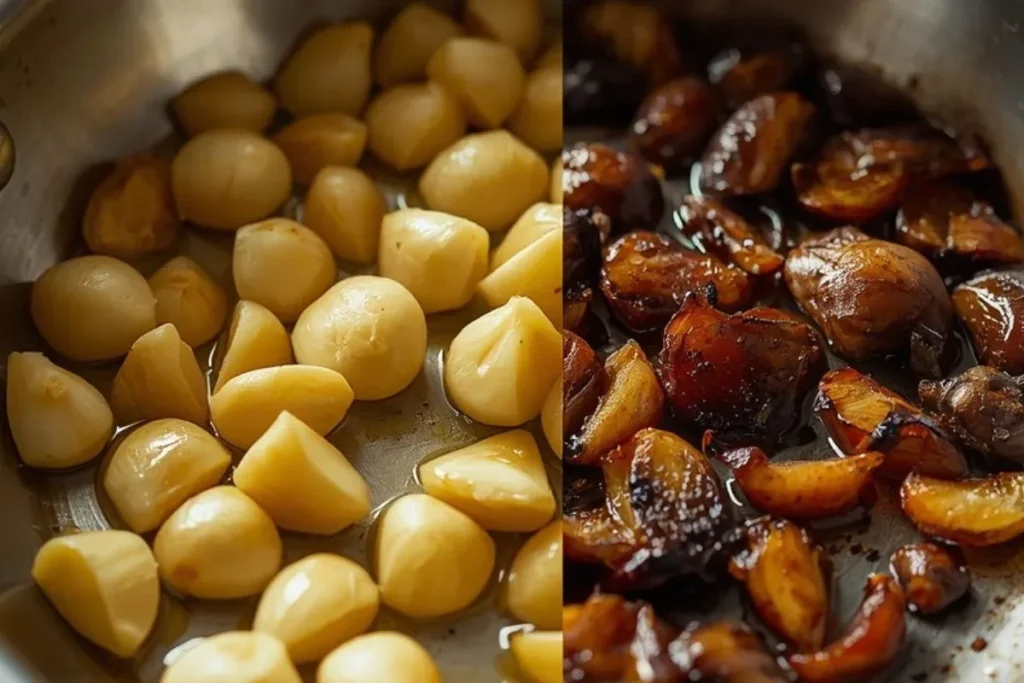
1. Your Garlic Burned
The single most common cause. Garlic cooks fast – left in hot oil even a little too long, it goes from fragrant and sweet to dark and intensely bitter, and once that’s mixed into the sauce, the bitterness spreads through the whole batch.
How to fix it: Cook garlic over low to medium heat only, stirring constantly, and pull it the moment it turns fragrant. If it’s already gone dark brown or black, that bitterness is genuinely difficult to remove – starting over is usually faster than trying to rescue it.
2. Your Tomatoes Are Naturally Bitter
Not every tomato tastes the same. Some canned varieties and certain fresh tomatoes carry more bitter compounds naturally, and lower-quality tomatoes can have a metallic or off aftertaste that gets more noticeable once cooked.
How to fix it: Choose high-quality canned tomatoes – San Marzano or other Italian plum varieties are the reliable choice. Tasting before you commit to a full batch is worth the extra minute.

3. Your Herbs Were Overcooked
Dried herbs are great for pizza sauce, but cooked too long they lose their fresh character and can turn genuinely bitter. Oregano, thyme, and rosemary are especially prone to this, particularly with long, high-heat simmers.
How to fix it: Add dried herbs in the last 15-30 minutes of cooking rather than at the start, and save fresh basil for the very end. A balanced amount should support the tomato flavor, not compete with it.
4. You Cooked It Over Heat That Was Too High
Pizza sauce wants a gentle simmer, not an aggressive boil. High heat scorches the natural sugars in tomatoes and can burn anything stuck to the pot’s bottom and even a small burnt patch spreads its bitterness through the whole sauce.
How to fix it: Simmer low to medium, stirring every few minutes to prevent sticking, ideally in a heavy-bottomed pan for more even heat. If the bottom does start to scorch, immediately move the unburnt sauce to a clean pot without scraping up the burnt bits – scraping is what spreads the problem.
5. Your Olive Oil Has Gone Rancid
Old or poorly stored olive oil develops a stale, waxy bitterness – sometimes described as smelling like old nuts or crayons. Once that’s in the sauce, it’s very hard to mask.
How to fix it: Use fresh, good-quality extra virgin olive oil, stored somewhere cool and dark. If a bottle’s been open a long time or smells even slightly off, replace it before it ruins a whole batch.
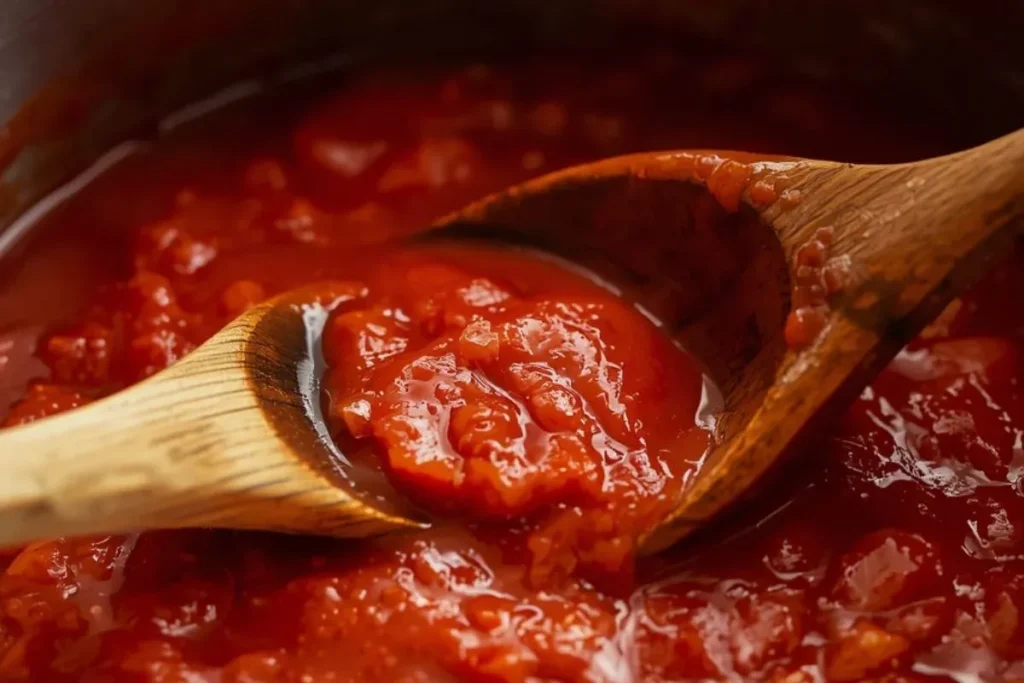
6. You Used Too Much Tomato Paste
Paste is concentrated – great for thickening and boosting tomato flavor, but too much (especially if it isn’t cooked properly first) can taste overly strong and edge into bitter.
How to fix it: Use it sparingly, and cook it in a little oil for 1-2 minutes before adding the rest of your tomatoes. Balance with additional crushed tomatoes if the flavor gets too intense.
7. Your Tomatoes Are Actually Too Acidic, Not Bitter
Acidity and bitterness get confused often – a sharp, tangy, harsh-tasting sauce is frequently high acidity rather than true bitterness, and they’re easy to mix up since both read as “unpleasant” at first taste.
How to fix it: A slightly longer simmer mellows tomato acidity naturally. A small pinch of sugar (just enough to balance, not to sweeten) or a piece of finely grated carrot cooked in and removed later can also help. Using naturally sweeter tomatoes like San Marzano avoids the problem from the start. If your sauce swings the other way and tastes outright sugary, Why Is My Pizza Sauce Too Sweet? covers correcting that instead.
8. You Added Too Much Oregano or Other Strong Herbs
Dried oregano, rosemary, sage, and thyme are potent – overdo any of them and the sauce can pick up a bitter, almost medicinal edge. Pizza sauce should taste like tomatoes first, herbs second.
How to fix it: Measure rather than eyeball, use dried herbs sparingly, and lean on fresh basil near the end of cooking for brightness without the bitterness risk.
9. Your Canned Tomatoes Have a Metallic Taste
Occasionally canned tomatoes pick up a metallic or bitter edge – from lower quality to begin with, an old can, or a reaction with the can’s lining after long storage. If the can itself is intact, the sauce is usually safe, but the flavor won’t improve no matter how you cook it.
How to fix it: Buy from reputable brands, avoid dented, swollen, leaking, or rusty cans, and taste before committing to a full batch.
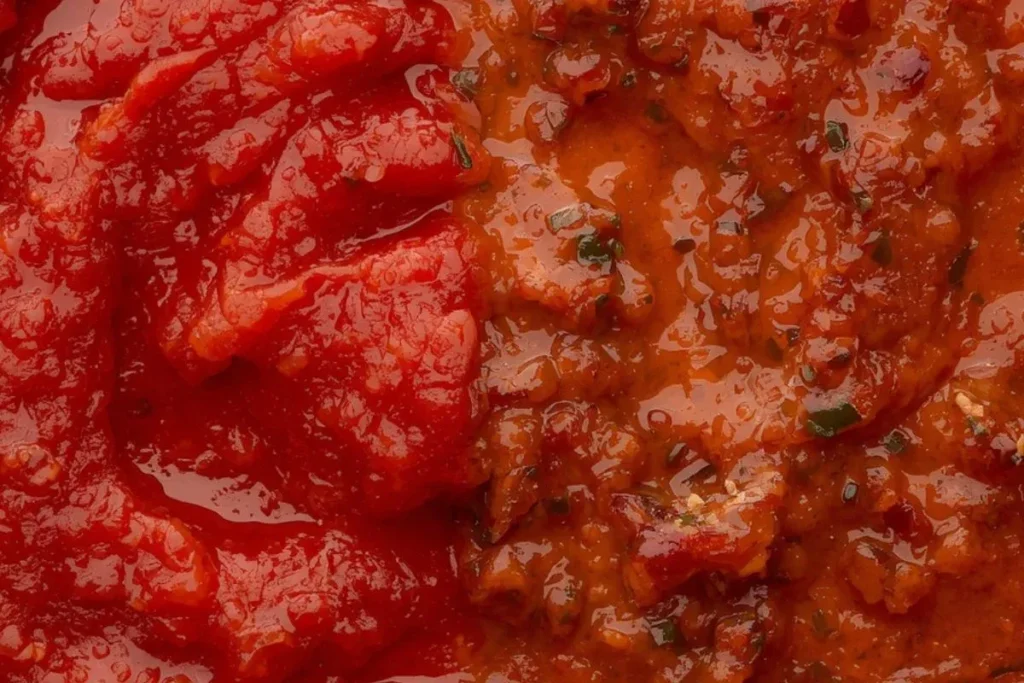
10. The Sauce Has Started to Spoil
If bitterness shows up suddenly after a few days of storage, that’s likely spoilage rather than a cooking issue. Bacteria and yeast growth change flavor as they develop, often alongside a sour or fermented smell, mold, cold bubbling, discoloration, or a slimy texture.
How to fix it: There’s no fixing spoiled sauce – discard it immediately if you see any of these signs. If you’re unsure how long sauce is good for, How Long Does Pizza Sauce Last? has the specifics.
Rescuing Sauce That’s Already Bitter
If it’s not spoiled and nothing’s badly burnt, you usually have real options:
- Add more tomatoes – dilutes bitterness from too much paste, herbs, or garlic
- Balance naturally – a small pinch of sugar or grated carrot softens acidity-driven harshness without making it sweet
- Add a little fresh olive oil – mellows slight bitterness and smooths the mouthfeel (only fresh oil, never rancid)
- Let it simmer longer – sometimes flavors just need more time to round out and blend
- Start over if something burned – burnt garlic or scorched tomato paste can’t really be undone; a fresh batch beats fighting a lost cause
Preventing It Next Time
- Cook garlic over low heat until fragrant, never browned
- Use high-quality canned or fresh tomatoes
- Simmer gently, never at a rolling boil
- Measure herbs instead of eyeballing them
- Use fresh extra virgin olive oil
- Cook tomato paste briefly before adding the rest of the tomatoes
- Taste as it cooks and adjust gradually rather than all at once
Frequently Asked Questions
What’s the most common reason pizza sauce turns bitter?
Burnt garlic, by a wide margin. It cooks fast and once it’s scorched, that bitterness spreads through the entire batch.
Can I save sauce with burnt bits in it?
If it’s a small amount, moving the unburnt sauce to a clean pot without scraping the burnt bits can save it. If the burnt flavor is strong throughout, starting fresh is usually faster than trying to mask it
Why Is My homemade Pizza Sauce Bitter
Bitterness usually comes from cooking garlic too long until it burns, using low-quality or overly acidic tomatoes, or not balancing acidity with a pinch of sugar.
Why Is My homemade tomato Sauce Bitter
This often results from burnt garlic or onions, tomato skins or seeds left in the sauce, or high acidity that hasn’t been balanced with a touch of sugar or butter.
Why Is My fresh tomato Sauce Bitter
Fresh tomatoes can taste bitter if they’re underripe or if the skins and seeds aren’t removed, since these parts tend to carry more bitter compounds than the flesh.
Why Is My canned tomato Sauce Bitter
Canned tomato sauce can taste bitter due to the tomatoes’ natural acidity, prolonged contact with the can, or overcooking, which concentrates bitter compounds over time.
How can I remove the bitter taste from my sauce?
Add a pinch of sugar or a small pat of butter to balance acidity and bitterness, and make sure garlic or onions weren’t overcooked to the point of burning.
How to make your pizza sauce taste better?
Sauté garlic in olive oil before adding tomatoes, season with salt, a pinch of sugar to balance acidity, dried oregano, and basil, and let it simmer briefly to let the flavors meld together.
Why is my tomato sauce turning bitter?
This is often caused by burnt garlic, overcooked tomato paste, or prolonged simmering, which can concentrate bitter compounds, especially if the sauce reduces too much.
Why is my pizza sauce bitter reddit
Home cooks commonly point to burnt garlic, using tomato paste without cooking it enough first, or overly acidic canned tomatoes as the main culprits behind bitter sauce.
Pizza sauce recipe
A basic pizza sauce combines crushed tomatoes, olive oil, garlic, salt, oregano, and a pinch of sugar, simmered briefly or left uncooked for a fresher flavor, depending on preference.
Why does my pasta sauce taste bitter
Bitterness in pasta sauce often comes from burnt garlic, overcooked tomato paste, or using canned tomatoes with a metallic aftertaste that wasn’t balanced with sugar or fat.
How to fix bitter pasta sauce reddit
Popular fixes include adding a pinch of sugar, a small pat of butter, or a splash of cream to mellow out bitterness and balance the overall flavor.
How to fix bitter tomato sauce
Stir in a pinch of sugar or a small amount of butter to balance the acidity and bitterness, and avoid over-reducing the sauce, which can concentrate bitter flavors.
How to fix bitter bolognese
Add a touch of sugar or a splash of cream to mellow bitterness, and check that garlic or tomato paste wasn’t overcooked, since burning either can introduce a bitter edge.
How to make a tangy pizza sauce?
Use high-quality canned San Marzano tomatoes, add a small splash of red wine vinegar or lemon juice, and season with garlic, oregano, and salt to bring out a brighter, tangier flavor.
Final Thought
Bitter pizza sauce almost always traces back to burnt garlic, tomato quality, overcooked herbs, high heat, or acidity mistaken for bitterness and most of these are fixable without starting over. Cook gently, use good tomatoes, measure your herbs, and taste as you go, and you’ll consistently land on a sauce that’s rich and balanced instead of harsh.