How to Thicken Pasta Sauce: 9 Easy Ways (Without Ruining It)
Quick answer: Most watery pasta sauce just needs a longer uncovered simmer that alone fixes it nine times out of ten. If you need it faster, tomato paste, freshly grated Parmesan, a flour or cornstarch slurry, pasta water, cream cheese, breadcrumbs, or blended vegetables all work depending on the type of sauce you’re making. Pick the method that matches your sauce below.
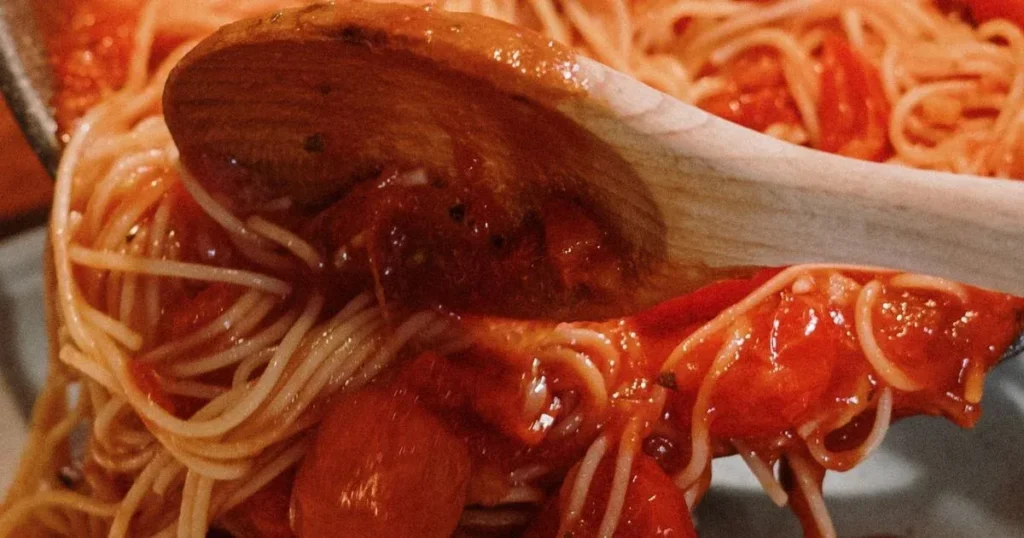
Nobody warns you this happens. So I’m warning you: you spend 25 minutes making sauce from scratch, it smells incredible, you’re genuinely proud of yourself and then you pour it over your pasta and it runs straight to the bottom of the plate like warm tomato soup. I’ve been exactly there. Here’s what I wish someone had told me that evening: this is a two-minute problem, not a ruined dinner.
Compare All 9 Methods at a Glance
| Method | Amount | Time to Work | Best For | Flavor Impact |
|---|---|---|---|---|
| Simmer uncovered | No ingredients – just time | 10-15 min | Any sauce, always try first | Deepens flavor, no downside |
| Tomato paste | 1 tbsp, add more if needed | 2 min | Tomato-based sauces | Richer, more concentrated tomato |
| Parmesan (fresh) | Add gradually, to taste | 2-3 min | Creamy or tomato sauces | Savory, adds richness |
| Pasta water | 2-3 tbsp at a time | Instant | Any sauce, while tossing pasta | Neutral, helps sauce cling |
| Flour slurry | 1 tbsp flour + 2 tbsp cold water | 1-2 min | Emergency fix, any sauce | Neutral once cooked out |
| Cornstarch slurry | ½ tbsp cornstarch + 1 tbsp cold water | 60-90 sec | Creamy sauces especially | Neutral, glossy finish |
| Cream cheese | ~2 tbsp | 1-2 min | Creamy sauces only (Alfredo, mushroom) | Rich, restaurant-style |
| Breadcrumbs | 1-2 tbsp fine, dry | 3-5 min | Hearty meat sauces (bolognese, ragù) | Subtle nutty depth |
| Blended vegetables | Small handful, pureed | 5 min | Any sauce, especially for nutrition | Disappears into the sauce |
If you only remember one row: simmer uncovered first, every time. It’s free, it improves flavor while it fixes texture, and it solves the problem most often.
Sauce Sorted – What About the Dough?
If your dough side of pizza night needs attention too – sticky, tearing, or won’t rise. The Pizza Dough Problem Solver covers diagnosing and fixing that in the same way this covers sauce.

Why Your Sauce Went Watery in the First Place
Before fixing it, thirty seconds on why it happened because once you know the reason, the fix becomes instinctive. Most watery sauce comes down to one of these:
- Too much liquid added too early
- Tomatoes released more water than expected (very common with fresh tomatoes)
- The sauce didn’t simmer long enough to reduce
- Cream or milk went in before the base had thickened
- It got rushed and served before it was ready
Every one of these has a simple fix that takes under fifteen minutes.
1. Let It Simmer Longer
This is the step everyone skips. And it shows
- Genuinely nine times out of ten this is all your sauce needs. No extra ingredients needed, just patience
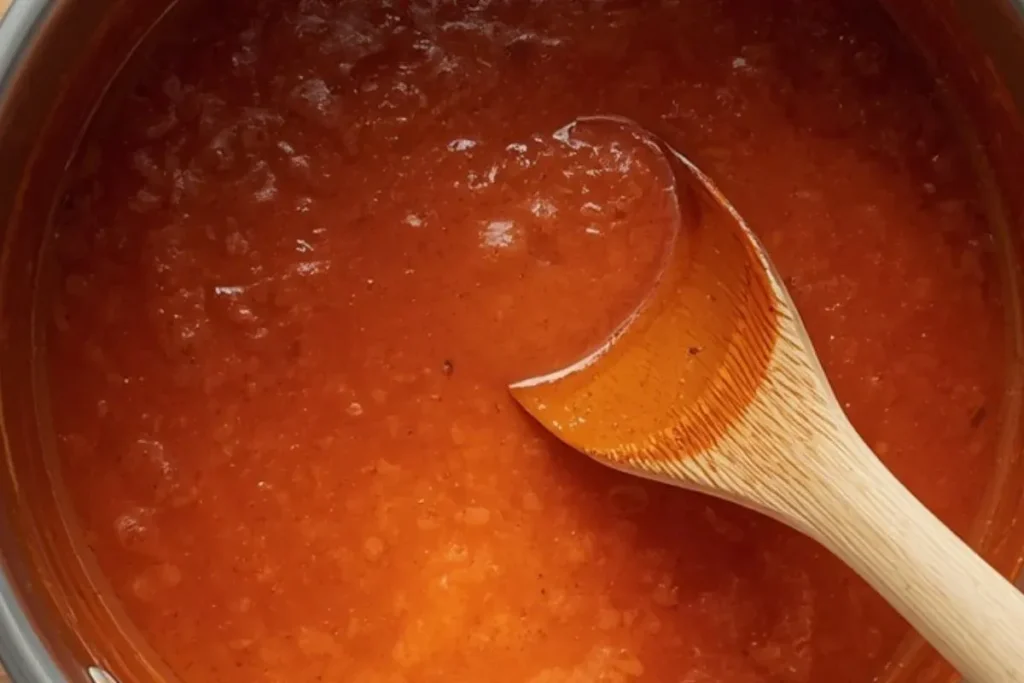
- Remove the lid from your pan completely this is important because a lid traps steam and keeps all that excess water in the sauce
- Turn the heat to medium-low and just let it simmer gently uncovered for another 10-15 minutes, stirring every few minutes so nothing catches on the bottom
- The water evaporates. The sauce concentrates. The flavors deepen. The texture thickens. If you are making marinara sauce this should always be your very first move it improves the flavor at the same time as fixing the texture which is a genuinely rare win
2. Stir in Tomato Paste
I wasn’t supposed to tell anyone this but here we are..
Tomato paste is genuinely one of the most underused ingredients in home cooking and it is sitting in most people’s pantries completely ignored
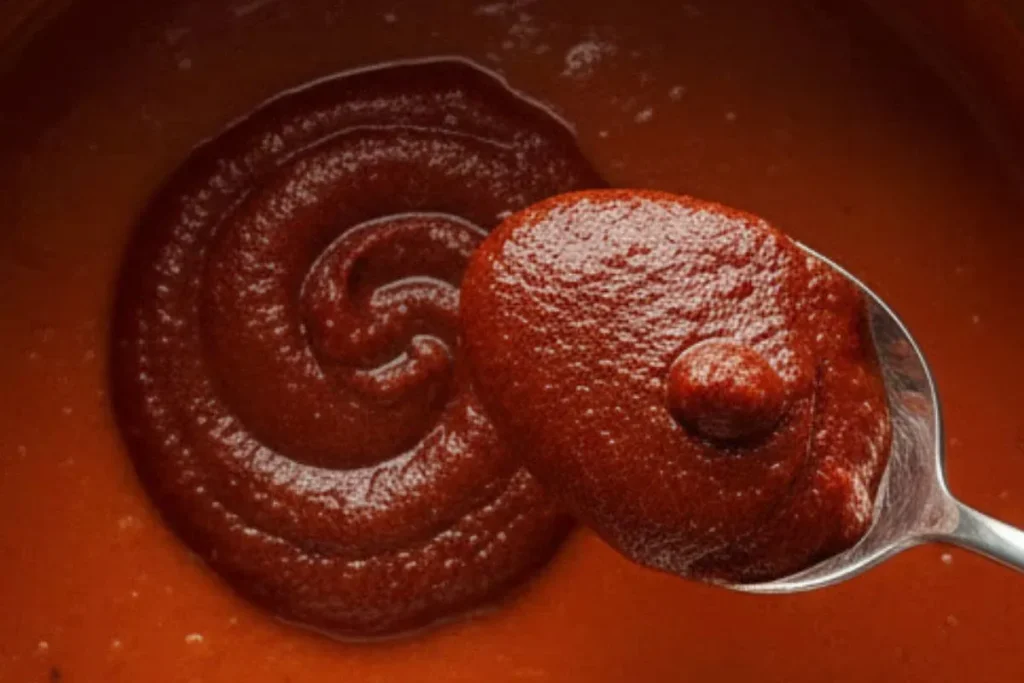
Add one tablespoon directly into your simmering sauce and stir it through completely. It thickens the sauce AND deepens the tomato flavor at the same time making your sauce taste richer and more complex than before
Give it two minutes then taste it. Still too thin? Add another tablespoon. A little goes a long way here and you can always add more but you cannot take it back so start with one tablespoon and build from there
3. Add Freshly Grated Parmesan
Embarrassing confession but here we are…I used to use the stuff from the green shaker container. Never again
This trick works brilliantly for creamy pasta sauces and even for tomato based ones when you want to add richness without changing the flavor direction
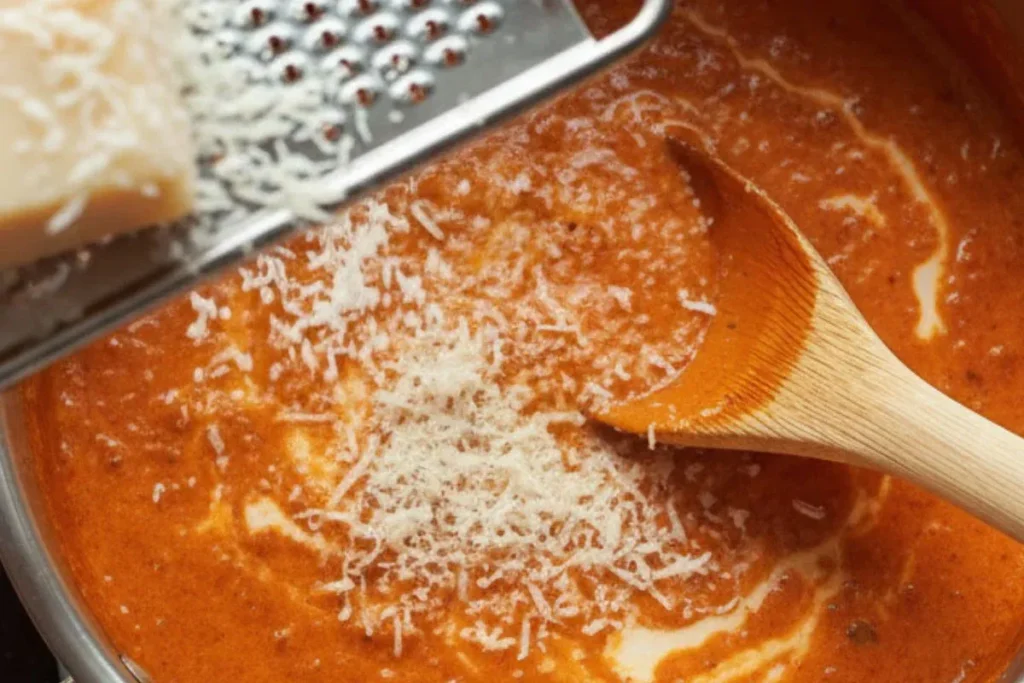
As Parmesan melts into your sauce it releases natural proteins that act as a thickener while adding that deep savory flavor that makes Italian food taste the way it does
Two things matter here: grate it yourself if you possibly can and add it off the heat or on very low heat
Pre-grated Parmesan contains anti-caking agents that prevent it from melting smoothly and high heat can cause the proteins to seize up and make your sauce grainy instead of silky
Low heat. Gradual addition. Stir constantly. Perfect sauce
4. Use Your Pasta Water
If you are still pouring all your pasta water down the drain girl we need to talk..
That cloudy starchy water left in your pot after cooking pasta is genuinely one of the most useful things in your kitchen and most people throw it away every single time
The starch released by the pasta during cooking acts as a natural emulsifier helping fat and water combine into a smooth cohesive sauce instead of separating. A small splash of pasta water added while tossing your pasta and sauce together helps everything cling and come together beautifully
The keyword is splash. Not cup. Not ladle
Just two or three tablespoons at a time while you toss the pasta in the sauce. Add too much and you are right back where you started with a thin sauce. Make saving pasta water a habit before every single drain. You will use it constantly
5. Make a Quick Flour Slurry
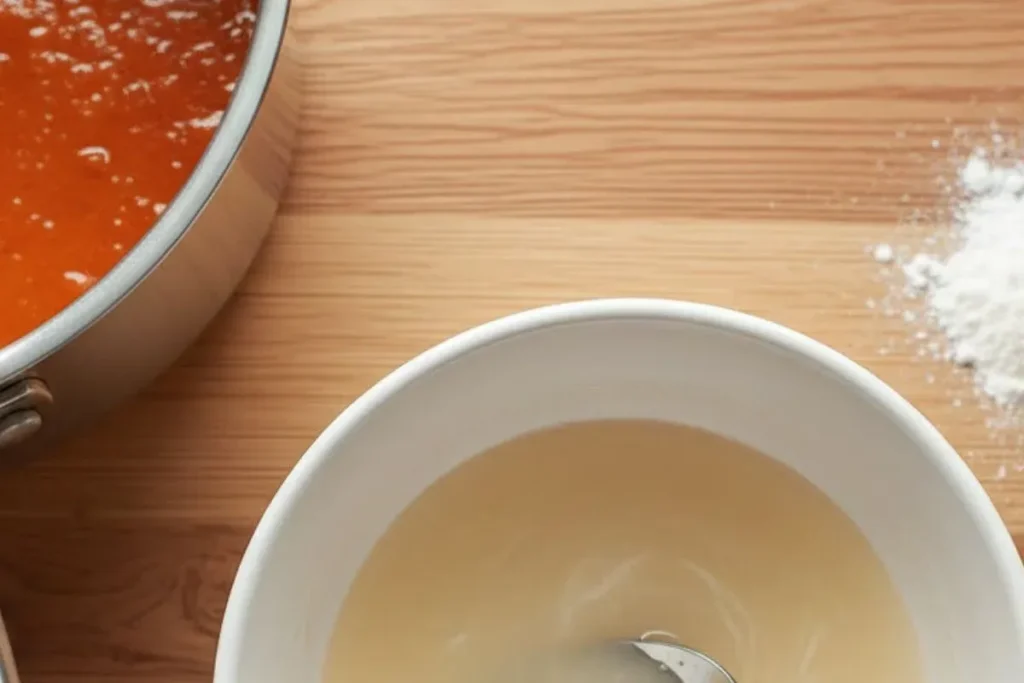
If your sauce needs urgent help and you do not have tomato paste or Parmesan nearby a simple flour slurry works fast. Mix one tablespoon of plain all-purpose flour with two tablespoons of cold water in a small bowl. Whisk it with a fork until completely smooth with absolutely no lumps
Then slowly pour it into your simmering sauce while stirring constantly. The sauce will start thickening within a minute or two. Give it at least three minutes of simmering after adding to cook out the raw flour flavor
One important warning: always mix flour with cold water before adding it to hot sauce. Adding flour directly to hot liquid creates instant lumps that are very difficult to remove and nobody wants lumpy pasta sauce
6. Try a Cornstarch Slurry
Ever wondered what happens if you use cornstarch instead of flour? It works even faster
Cornstarch is a stronger thickener than flour meaning you need less of it to achieve the same result
It also produces a clearer shinier finish which works particularly beautifully for creamy pasta sauces. Mix half a tablespoon of cornstarch with one tablespoon of cold water until completely smooth. Stir it into your gently simmering sauce and watch it thicken within 60-90 seconds
Use this as your last resort rather than your first because it can change the texture of tomato sauces very slightly. For creamy sauces though it works absolutely perfectly and produces a gorgeous silky consistency that coats pasta beautifully
7. Stir in a Little Cream Cheese
Genuinely thought this was weird until I tried it. It was not weird. It was magnificent
This is one of my personal favorite tricks for creamy sauces specifically and once you try it you will completely understand why
A small spoonful of cream cheese about two tablespoons stirred into a simmering creamy pasta sauce melts almost instantly and adds remarkable body to the sauce while making it taste noticeably richer and more luxurious
It does not make the sauce taste like cheesecake. It makes it taste like something from a good Italian restaurant where you cannot quite identify the secret ingredient
Do not use it for tomato-only sauces where it will change the flavor in a direction you probably did not intend. For creamy pasta sauces like Alfredo or mushroom sauce it is genuinely revelatory
8. Add Breadcrumbs
This might look like a desperate measure but here is why it is not
Fine dry breadcrumbs are a traditional Italian thickening technique that dates back centuries before cornstarch was ever in a kitchen. Italian cooks have been using this trick longer than most of us have been alive
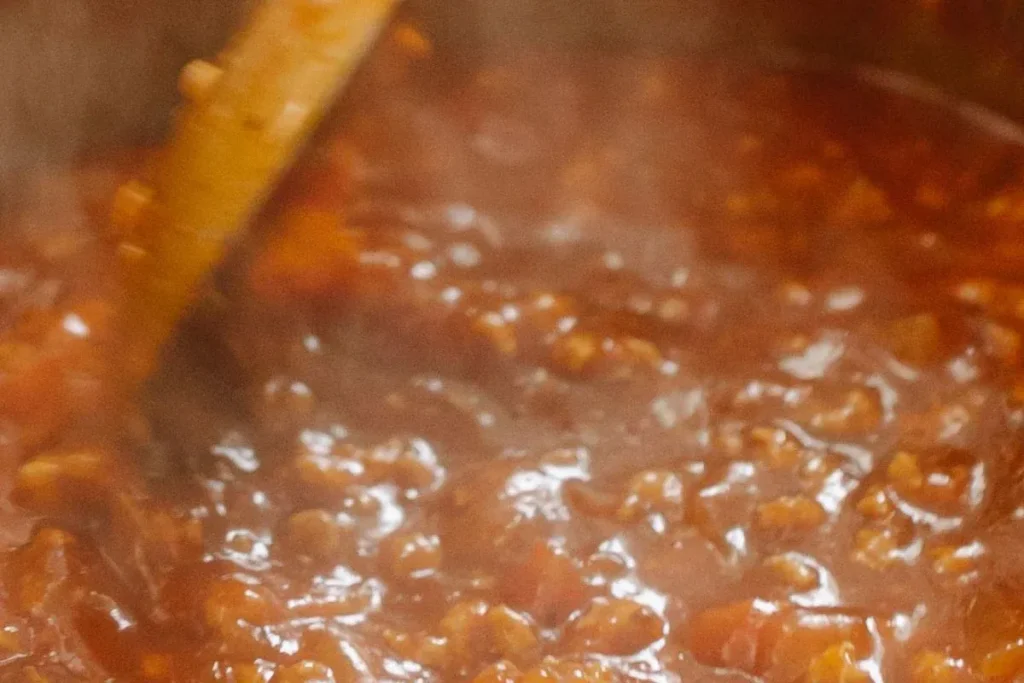
Add one to two tablespoons of fine dried breadcrumbs to your simmering sauce and stir well. They absorb excess liquid quickly and add a very subtle nutty depth to the flavor that is honestly quite lovely
This works best in hearty meat-based sauces like bolognese or sausage ragù where the texture blends naturally with the other ingredients. It can change the texture slightly in lighter tomato sauces so use it with those more carefully
9. Blend in Some Vegetables
I didn’t mean to accidentally improve my entire pasta sauce routine. But I did
This one is less about rescue and more about elevation. If your sauce is thin because of excess liquid try adding finely grated or pureed vegetables directly into the simmering sauce
Grated zucchini, pureed roasted red peppers, pureed cooked carrot or even a handful of spinach blended smooth all add body to the sauce while also adding nutrition, color and depth of flavor. The vegetables disappear into the sauce nobody needs to know they are there while the natural fibers and starches help thicken everything beautifully
This is also a brilliant trick for making pasta sauce more filling without adding extra calories from cream or cheese
Does Pasta Sauce Thicken as it Cools?
I only have one question after years of making pasta sauce why did nobody tell me this sooner?
Yes. It does. Significantly. A pasta sauce that looks slightly too thin when it is hot will often be exactly the right consistency by the time it reaches the table. The starch in the sauce continues to thicken as the temperature drops
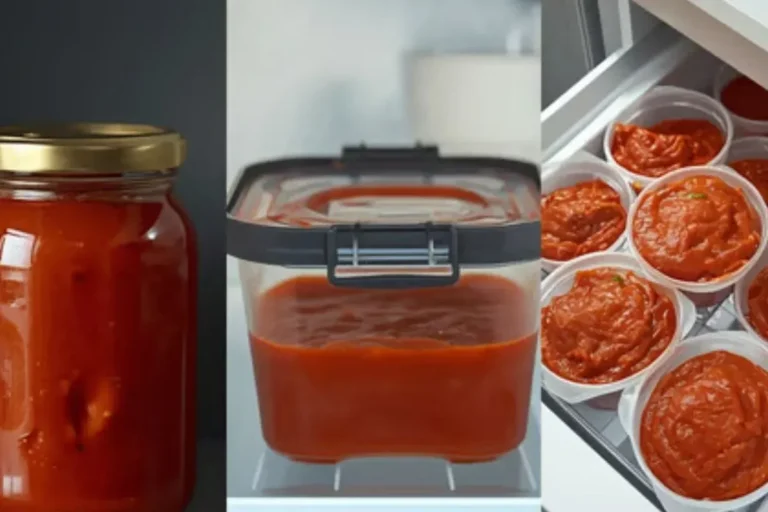
This is why leftover pasta sauce stored in the fridge always looks considerably thicker than when you first made it. So before you add anything to a hot sauce that seems thin give it two minutes. Plate it up. Let it rest. Taste it again. You may find it is perfect without any intervention at all
Expert Tips
The biggest mistakes people make with pasta sauce and how to fix them:
Always Taste Before Adding Anything
Sometimes sauce feels thin simply because it has not simmered long enough. Before reaching for flour or cornstarch give it 10 more minutes uncovered and taste again. You will be amazed how much it transforms
Never Turn the Heat Up to Speed Things Up
High heat causes creamy sauces to split and tomato sauces to scorch on the bottom. A gentle consistent simmer is always the right answer. Good sauce cannot be rushed
Finish Your Pasta IN the Sauce
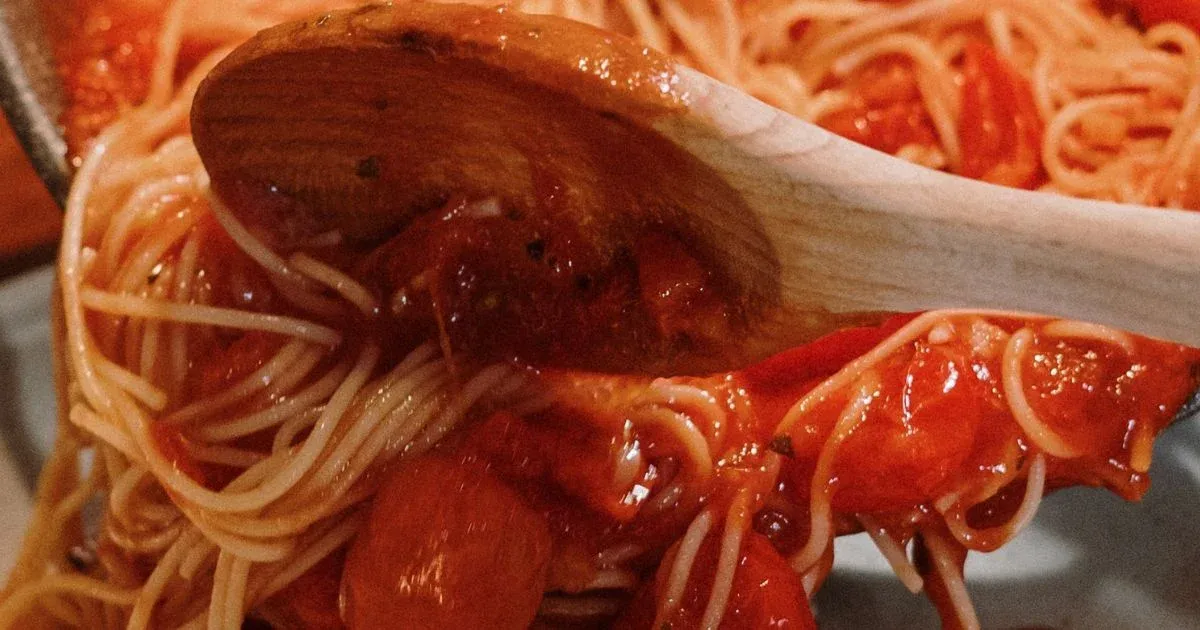
Add drained al dente pasta directly to the sauce pan and toss everything together over medium heat for one to two minutes. The pasta absorbs flavor and its surface starch helps thicken the sauce simultaneously. This is how Italian restaurants do it and it makes a very noticeable difference
Save Two Cups of Pasta Water Every Time
Not one cup. Two cups. Always. You will use it constantly once you know how valuable it is
Frequently Asked Questions
How to fix pasta sauce that is too watery?
Simmer the sauce uncovered over low heat to reduce excess liquid, or stir in a small amount of tomato paste or grated parmesan to help thicken it naturally.
How to thicken a sauce if too watery?
Let it simmer uncovered to evaporate excess moisture, or whisk in a cornstarch slurry, tomato paste, or grated cheese for a quicker thickening fix
How do Italians thicken pasta sauce?
Traditional methods include simmering the sauce slowly to reduce naturally, adding starchy pasta water, or stirring in grated parmesan cheese toward the end of cooking.
Can I add flour to thicken pasta sauce?
Yes, mix flour with a small amount of cold water to form a paste before whisking it into the sauce, then simmer briefly to cook out the raw flour taste.
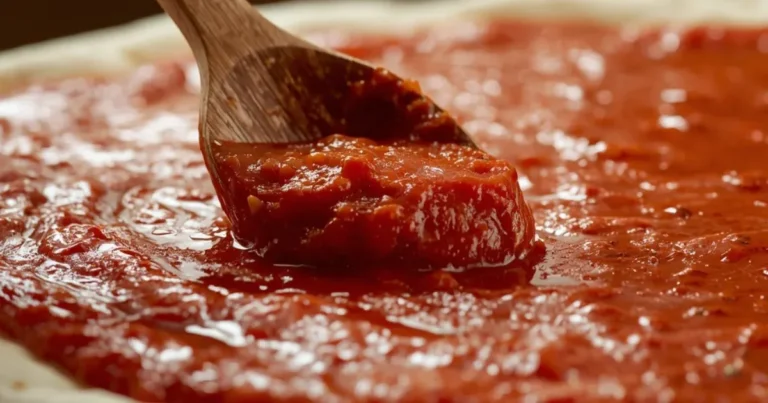
How to thicken pasta sauce for pizza
Simmer the sauce longer to reduce excess liquid, or stir in tomato paste, since pizza sauce needs a thicker, spreadable consistency compared to pasta sauce.
How to thicken pasta sauce with cheese
Stir in grated parmesan or pecorino toward the end of cooking; the cheese melts into the sauce and naturally thickens it while adding rich, savory flavor.
How to thicken pasta sauce without cornstarch
Simmer the sauce uncovered to reduce liquid naturally, stir in tomato paste, grated cheese, or a small amount of flour mixed with water as alternatives.
How to thicken pasta sauce with flour
Mix flour with a bit of cold water to form a smooth paste, then whisk it into the sauce and simmer for a few minutes to thicken and cook out the raw flour taste.
How to thicken pasta sauce from a jar
Simmer the jarred sauce uncovered for a few extra minutes to reduce liquid, or stir in tomato paste or grated parmesan for a quick, flavorful thickening boost.
How to thicken pasta sauce without pasta water
Use tomato paste, grated cheese, or a flour-and-water slurry instead, all of which thicken the sauce effectively without relying on starchy pasta water.
How to thicken pasta sauce with cornstarch
Mix one teaspoon of cornstarch with a tablespoon of cold water to form a slurry, then stir it into the simmering sauce until it thickens to your desired consistency.
How to thicken pasta sauce for chicken
Simmer the sauce longer to reduce liquid, or stir in tomato paste or grated parmesan, especially if serving over chicken where a thicker, clingier sauce works best
How to Thicken Pasta Sauce without tomato paste
Simmer the sauce uncovered to reduce excess liquid, or stir in grated cheese or a flour-and-water slurry as effective alternatives to tomato paste.
How to Thicken Pasta Sauce without heavy cream
Use tomato paste, grated parmesan, or a simmer-and-reduce method instead, all of which thicken sauce effectively without needing to rely on cream.
How to Thicken Pasta Sauce after adding too much water
Simmer uncovered on low heat to evaporate the excess water, or stir in tomato paste or grated cheese to help restore the sauce’s thickness.
How to Thicken Pasta Sauce quickly
Whisk in a cornstarch slurry for the fastest fix, since it thickens sauce within a couple of minutes without needing a long simmer time.
Final Thoughts
Cooking does not always go exactly as planned. That is just the honest truth about home cooking that nobody photographs or posts about. Sauces go thin. Pasta overcooks. Garlic burns in under sixty seconds when you check your phone at the wrong moment. These things happen to every single person who cooks including the ones posting perfect food photos online
The difference between a confident home cook and a nervous one is not that things go wrong less often. It is that they know how to fix it when they do. You now know how to fix it. So the next time your beautiful pasta sauce looks more like tomato soup than a rich coating do not panic. Do not start over. Do not order takeout. Take a breath
Pick one of these nine fixes. Give it ten minutes. Dinner will be fine. Better than fine. Dinner will be exactly what it was supposed to be..
Happy cooking!
With love from someone who has rescued a lot of pasta sauce,
Sonia Romano
ItalianPantryRecipes.com
More Easy Italian Recipes You Will Love
- Easy Italian Marinara Sauce Recipe for Pasta
- Easy Italian Sausage Pasta Recipe
- Easy One-Pot Creamy Chicken Pasta
- Easy Italian Garlic Bread Recipe
Join the ItalianPantry Community
Join our free newsletter and receive:
- Easy weeknight Italian recipes
- Practical cooking tips and fixes
- Italian pantry guides
- New content every week
Subscribe today and get instantly: “5 Italian Pantry Essentials That Will Transform Your Weeknight Cooking Forever”