Can You Freeze Pizza Dough? Yes! Here’s the Right Way to Freeze, Thaw and Use It Later
It always seems to happen the same way. You plan to make one pizza. Somehow, you end up with enough dough for two. Now you’re standing in the kitchen, looking at the extra dough and thinking: “I don’t want to waste this… but can I freeze pizza dough without ruining it?” It’s a fair question
The first time I had leftover pizza dough, I nearly threw it away because I thought freezing would kill the yeast. Then I searched online. Pizza dough freezes very well as long as you do it the right way
In this guide, I’ll show you exactly when to freeze it, whether you should freeze it before or after it rises, how long it lasts, how to thaw it properly and the common mistakes that can leave you with disappointing pizza
Quick Answer
Can You Freeze Pizza Dough?
Yes. Pizza dough freezes exceptionally well and can stay in the freezer for up to three months when stored properly. For the best results, divide the dough into individual portions, wrap each one tightly and freeze it in an airtight container or freezer bag
When you’re ready to use it, thaw it slowly in the refrigerator, then let it come to room temperature before stretching and baking
Table of Contents
Why Freezing Pizza Dough Works So Well
One of the biggest myths about pizza dough is that freezing kills the yeast. It doesn’t. Freezing simply puts the yeast into a dormant state. Think of it as pressing the pause button. Once the dough is thawed and warmed up again, the yeast becomes active and continues doing what it was designed to do producing the tiny air bubbles that create a light, airy crust
That’s why many pizzerias and experienced home bakers freeze pizza dough regularly. Done correctly, most people won’t notice any difference between fresh dough and properly frozen dough
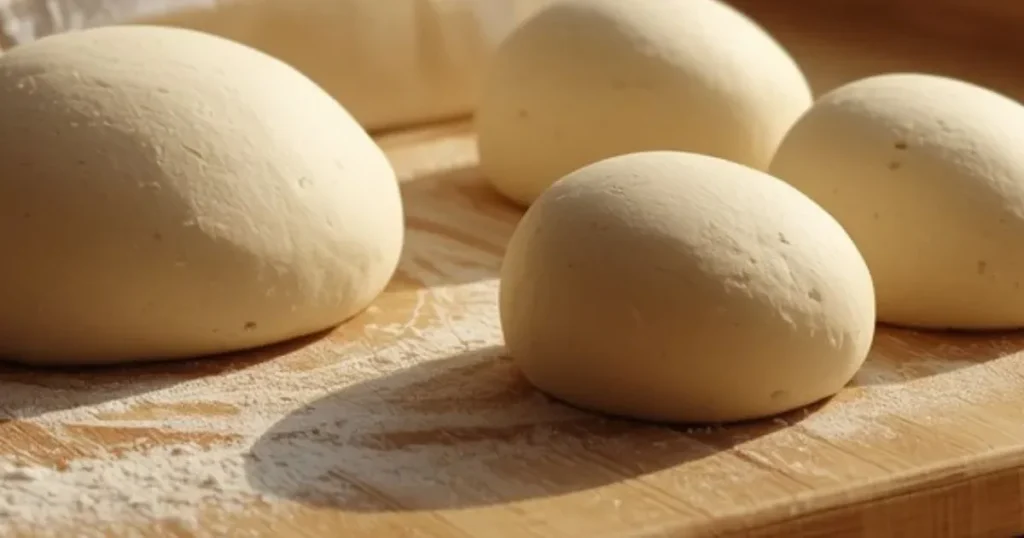
Should You Freeze Pizza Dough Before or After It Rises?
This is probably the question I see most often. The short answer? Both methods work. But each has its advantages. Freeze Before Rising Freezing before the first rise gives the yeast more work to do after thawing. Many bakers prefer this because the dough develops a fresher texture after it’s defrosted
It’s also a good option if you’ve just mixed the dough and already know you won’t need it that day. Freeze After Rising Freezing after the first rise is just as popular. In fact, it’s often more convenient. The dough has already completed most of its fermentation, so after thawing, you’ll simply let it warm up, shape it and bake it
If you’re making pizza for busy weeknights, this is usually the method I recommend
Whichever method you choose, one thing matters more than anything else:
How you freeze it. A few extra minutes of preparation can make the difference between beautiful pizza dough and a dry, freezer-burned disappointment
How to Freeze Pizza Dough Step by Step
Freezing pizza dough isn’t difficult. The secret is protecting it from air and giving yourself a portion that’s easy to use later. Here’s the method I use
Step 1: Let the Dough Finish Mixing Before freezing, make sure the dough has been mixed and kneaded properly. Whether you freeze it before or after the first rise, the gluten should already be well developed. A well-kneaded dough freezes and bakes much better than one that’s barely mixed
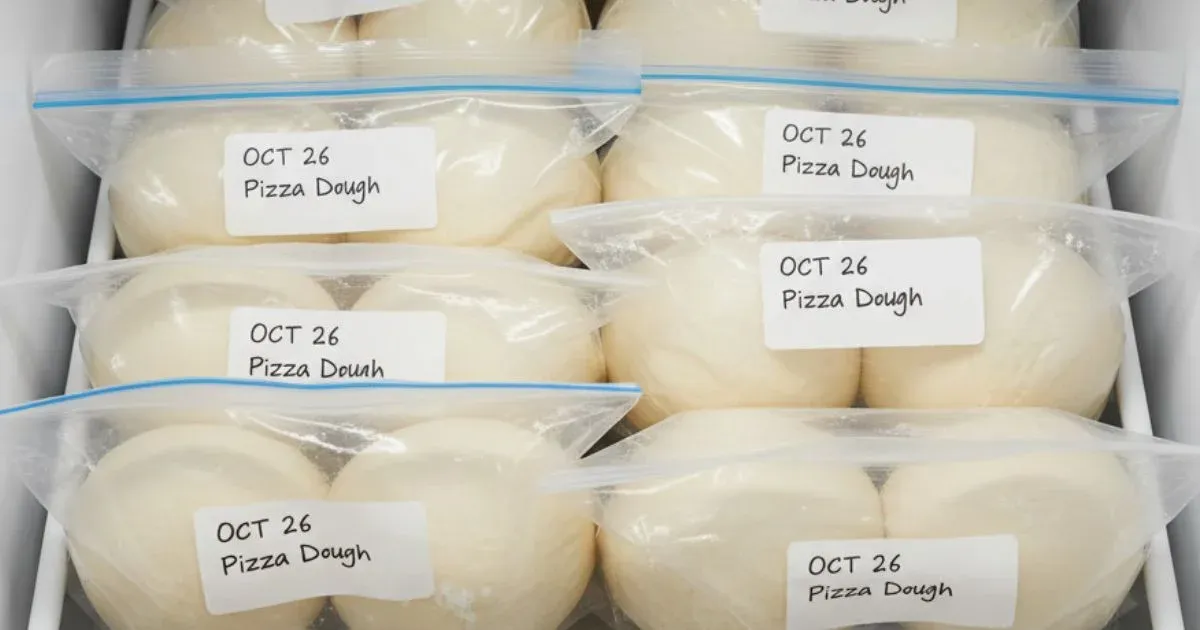
Step 2: Divide It Into Individual Portions Instead of freezing one large lump of dough, divide it into the sizes you’ll actually use. For most homemade pizzas, one dough ball equals one pizza. This saves you from thawing more dough than you need
Step 3: Lightly Coat the Dough With Oil Rub a very thin layer of olive oil over each dough ball. This helps prevent the surface from drying out and reduces the chance of the dough sticking to the wrapping. A little goes a long way
Step 4: Wrap It Well The biggest enemy of frozen pizza dough isn’t the freezer. It’s air
Wrap each dough ball tightly using one of these:
- plastic wrap
- reusable freezer bags
- airtight freezer containers
If you’re using freezer bags, squeeze out as much air as possible before sealing them
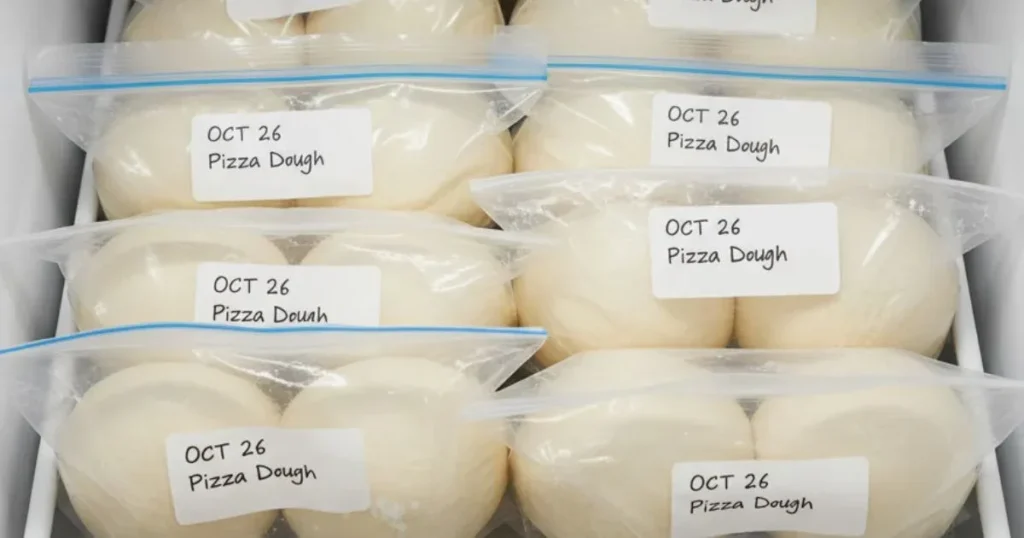
Step 5: Label Everything It sounds obvious… Until three months later when you’re staring at an unmarked freezer bag wondering whether it’s pizza dough or bread dough
Write down:
- the date
- what’s inside
- the portion size (optional)
Your future self will thank you
How Long Can You Freeze Pizza Dough?
The good news? Pizza dough lasts longer in the freezer than many people think
For the best quality: Up to 3 months is ideal
Can it stay frozen longer?
Technically, yes. As long as it remains continuously frozen, it should still be safe to eat. However, after several months, you may notice:
- a drier texture
- less oven spring
- slightly weaker flavour
That’s why I recommend using frozen pizza dough within three months whenever possible. It gives you the best balance of convenience and quality
How to Thaw Frozen Pizza Dough the Right Way
Don’t rush this step..
The way you thaw pizza dough has just as much impact as the way you freeze it. The best method Move the dough from the freezer to the refrigerator the night before you plan to use it. This slow thaw helps protect the dough’s structure and allows the yeast to wake up gradually
When you’re ready to make pizza, remove the dough from the fridge and let it sit at room temperature for 1 to 2 hours. By then, it should feel soft, relaxed and much easier to stretch
Need it sooner? If you forgot to thaw it overnight, you can leave the frozen dough on the kitchen counter for a few hours. It won’t be quite as ideal as the refrigerator method, but it still works well for most home bakers
Just avoid using very hot water or a microwave to speed things up. Rapid thawing can damage the dough’s texture and make it harder to handle
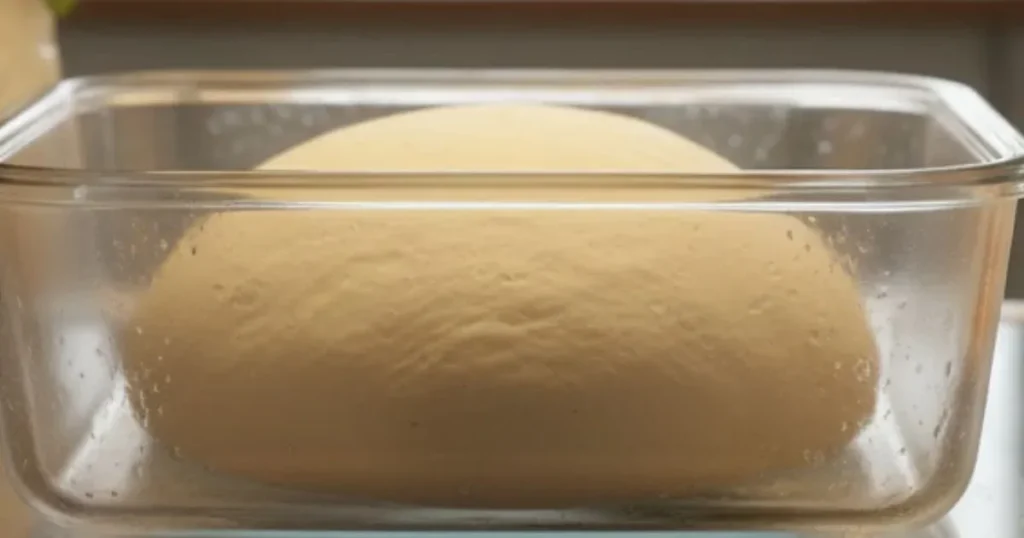
By now, you know how to freeze pizza dough properly. But there are still a few questions that stop many people from trying it
Will the dough still rise? Can you freeze it after proofing? And what happens if you’ve already refrigerated it for a day or two? Let’s clear those up next
Will Frozen Pizza Dough Rise Again?
Yes! provided the yeast was healthy before you froze it. Freezing doesn’t kill the yeast. It simply slows it down until the dough warms up again. After thawing, the yeast becomes active and continues producing the tiny air bubbles that give pizza crust its soft, airy texture. If your dough doesn’t rise after thawing, the problem usually isn’t the freezer
It’s more likely that:
- the yeast was already weak or expired
- the dough wasn’t thawed long enough
- it was kept in a cold room after thawing
Give the dough time to warm up before deciding it has failed. Patience often makes all the difference
Can You Freeze Pizza Dough After It Rises?
Absolutely. In fact, many home bakers prefer freezing dough after the first rise because it saves time later. Once the dough has finished its initial proof, gently divide it into portions, wrap each one tightly, and place it in the freezer
When you’re ready to use it:
- Thaw it overnight in the refrigerator
- Let it sit at room temperature for 1–2 hours
- Shape it
- Add your toppings
- Bake as usual
This method works especially well if you like making several batches of dough at once
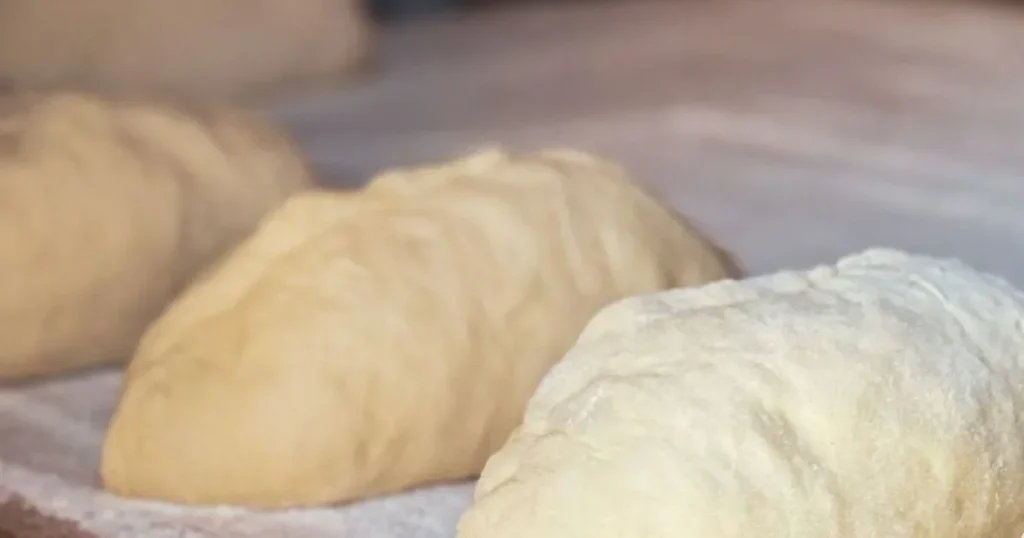
Can You Freeze Pizza Dough After Cold Fermentation?
Yes. Cold-fermented pizza dough freezes very well. If you’ve been storing your dough in the refrigerator for a day or two to develop more flavour, you can still freeze it without any problem. Just remember: The longer the dough has already fermented, the less rising power it may have after thawing. That’s perfectly normal. The flavour, however, is often even better
Can You Refreeze Pizza Dough?
It’s best not to. Once frozen dough has completely thawed, the yeast has already become active again. Freezing it a second time can weaken the dough’s structure and affect both the texture and the rise. If you think you won’t use all your dough, freeze it in smaller portions from the beginning. That way, you only thaw what you actually need
Common Mistakes to Avoid When Freezing Pizza Dough
- Freezing pizza dough is simple. These are the mistakes that usually cause problems not the freezer itself
- Wrapping the dough loosely Air causes freezer burn. Always wrap the dough tightly or use an airtight container
- Freezing one large piece Large portions take longer to thaw and are less convenient. Divide the dough before freezing
- Forgetting to label it You may think you’ll remember. You probably won’t. Adding the date helps you use older dough first
- Thawing it in hot water Quick thawing sounds convenient, but it can damage the dough’s texture and affect how it rises. Slow thawing gives the best results
Expecting instant results Frozen dough needs time. After thawing, let it warm up properly before stretching it into a pizza
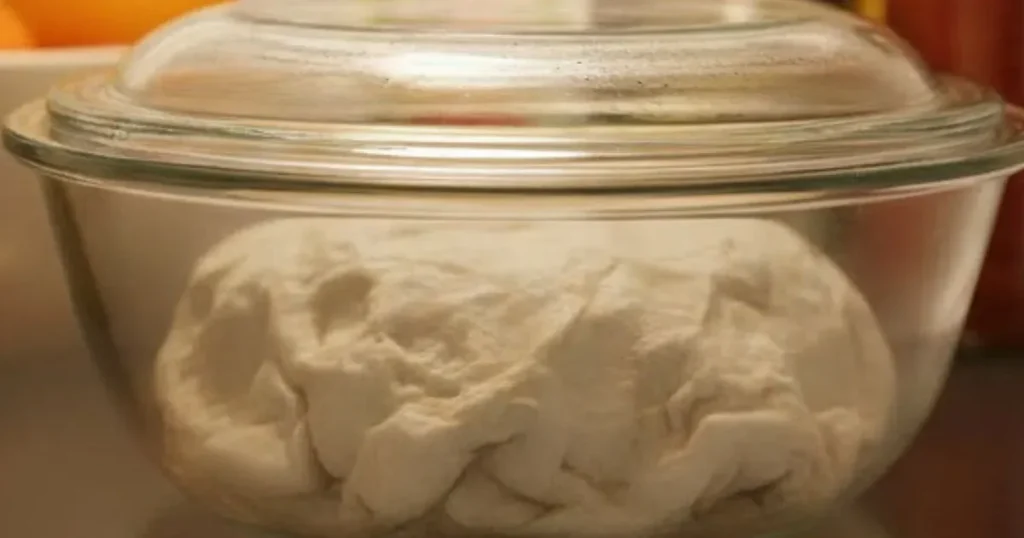
Quick Freezing Checklist
Before putting your pizza dough in the freezer, run through this quick checklist:
- Divide it into individual portions
- Lightly coat each dough ball with oil
- Wrap it tightly or use an airtight freezer bag
- Remove as much air as possible
- Label it with the date
Use it within three months for the best quality. If you’ve checked every box, you’re all set
By now, you know how to freeze pizza dough with confidence. Let’s finish by answering the questions home cooks ask most often before they close the freezer door
Frequently Asked Questions
Can you freeze pizza dough with yeast?
Yes. Yeast freezes very well. It becomes dormant while the dough is frozen and becomes active again once the dough has thawed and warmed up
Can you freeze pizza dough balls?
Absolutely. In fact, freezing individual dough balls is one of the easiest and most convenient methods because you can thaw only what you need
Can you freeze pizza dough before it rises?
Yes. You can freeze it immediately after kneading. Once thawed, allow it to rise as you normally would before shaping your pizza
Can you freeze pizza dough after proofing?
Yes. Many home cooks actually prefer freezing dough after the first rise because it saves time on pizza night
How long can pizza dough stay frozen?
For the best texture and flavour, use frozen pizza dough within three months. It may still be safe after that, but the quality gradually declines
Do you thaw pizza dough in the fridge or on the counter?
The best method is to thaw it overnight in the refrigerator, then leave it at room temperature for 1–2 hours before using it
Can you bake pizza with frozen dough?
Not directly. Always thaw the dough first and allow it to warm up so it becomes easier to stretch and rises properly during baking
Does freezing change the taste of pizza dough?
Not if it’s wrapped properly and used within a few months. Most people won’t notice any difference between fresh dough and correctly frozen dough
Can you freeze homemade pizza dough made with instant yeast?
Yes. Dough made with instant yeast freezes just as well as dough made with active dry yeast
Why does my frozen pizza dough feel sticky after thawing?
As the dough warms up, condensation can make the surface feel sticky. A light dusting of flour is usually enough to make it easier to handle
Can you refreeze pizza dough after thawing?
It’s not recommended. Refreezing can weaken the dough and affect both its texture and its ability to rise
Is freezing better than leaving pizza dough in the fridge?
If you won’t use the dough within a couple of days, freezing is usually the better option because it preserves freshness for much longer
Final Thought
I’ve learned that one of the best habits in the kitchen isn’t making more food. It’s learning not to waste the food you’ve already made
Freezing pizza dough is one of those small tricks that saves both time and money. It also means homemade pizza is never too far away even on the busiest evenings
So the next time you have extra dough, don’t feel pressured to make another pizza just because it’s there
Wrap it well. Label it. Freeze it
Your future self will be glad you did
Related Articles
If you found this guide helpful, you might also enjoy:
- Easy Homemade Pizza Dough for Beginners
- Why Didn’t My Pizza Dough Rise? 11 Common Reasons and Easy Fixes
- Why Is My Pizza Dough So Sticky?
- Best Cheese for Pizza: 10 Delicious Options and How to Choose