Why Is My Pizza Crust Burnt? 10 Common Reasons (And How to Fix Them)
You finally pull your homemade pizza out of the oven, only to discover the crust is black, bitter or burnt while the cheese still looks perfect or worse, the toppings aren’t even fully cooked. If you’ve been asking “Why is my pizza crust burnt?”, here’s the reason..
Burnt pizza crust is one of the most frustrating problems for home pizza makers because it often happens without warning. A burnt crust can ruin the flavor of an otherwise great pizza but it’s usually caused by a few simple mistakes
Your oven may be too hot, your pizza stone may be overheating or your dough may contain ingredients that brown too quickly
In this guide, you’ll learn the 10 most common reasons your pizza crust keeps burning, how to fix each one and how to bake a beautifully golden crust without burning it
If your crust never burns but stays pale and soft instead, read our guide on Why Is My Pizza Crust Not Crispy? That article explains how to achieve the perfect crisp, golden crust
Quick Answer: Why Is My Pizza Crust Burnt?
Pizza crust usually burns because the oven or pizza stone is too hot, the pizza is baked too close to the heating element, the dough contains too much sugar or oil or the pizza stays in the oven too long. Lowering the heat slightly, adjusting the oven rack and monitoring the pizza closely can prevent burning while still producing a beautifully browned crust
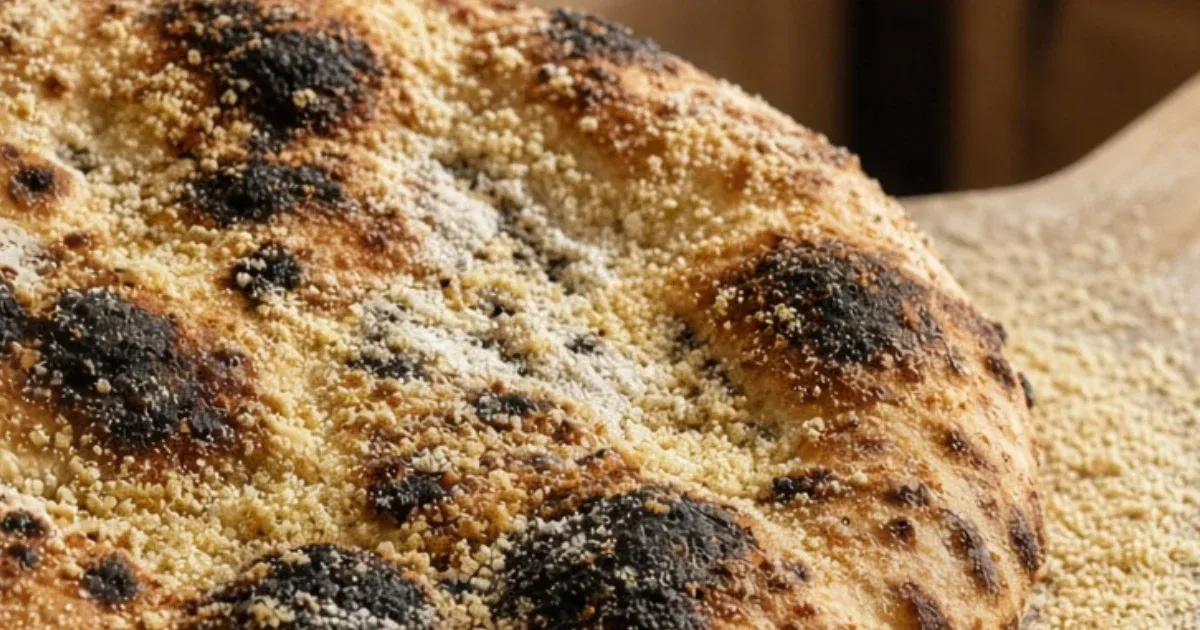
Not all dark spots are bad, though. A lightly charred crust is very different from a burnt one and we’ll explain the difference later in this guide
Table of Contents
Signs Your Pizza Crust Is Burning
Sometimes it’s obvious. Other times, the pizza looks fine until you taste it. Here are the most common signs:
- The bottom of the crust is completely black
- The crust tastes bitter
- The edges darken before the cheese melts
- The underside becomes hard and brittle
- The crust smells burnt while baking
- The toppings are still undercooked even though the base is black
If you notice any of these signs, one or more of the causes below is likely responsible
10 Reasons Your Pizza Crust Is Burnt
1. Your Oven Temperature Is Too High
One of the most common reasons pizza crust burns is simply that the oven is hotter than necessary. Many people believe turning the oven to the highest possible temperature always produces better pizza. While high heat is important, excessive heat especially in smaller home ovens can burn the crust before the toppings finish cooking
How to fix it
- Bake at 475-500°F (245-260°C) for most homemade pizzas
- Use an oven thermometer if you suspect your oven runs hotter than the displayed temperature
- Watch your pizza during the final few minutes of baking
- High heat is great but controlled heat is even better

2. Your Pizza Stone Is Too Hot
A pizza stone should be thoroughly preheated but it can also become too hot if left heating for an excessively long time or if you’re baking several pizzas in succession. An overheated stone transfers intense heat directly to the dough, causing the bottom to burn before the top has finished cooking
How to fix it
- Preheat your pizza stone for 45-60 minutes
- If baking multiple pizzas, allow the stone a few minutes to recover instead of continuously increasing the oven temperature
- If the bottom burns repeatedly, reduce the oven temperature slightly while keeping the stone hot
If your pizza sticks instead of burning, read our guide on Why Is My Pizza Sticking to the Stone? Many stone-related problems are easy to solve once you know the cause
3. Your Pizza Is Too Close to the Heating Element
The position of your oven rack plays a bigger role than many people realize. If your pizza sits too close to the bottom heating element, the base may burn long before the toppings are cooked
How to fix it
- Bake on the middle or lower-middle rack
- Avoid placing the pizza directly above the bottom heating element unless your oven specifically recommends it
- Rotate the pizza halfway through baking if your oven has hot spots
Even heat produces a beautifully browned crust instead of a burnt one
4. Your Dough Contains Too Much Sugar or Oil
Sugar helps pizza brown but too much sugar causes the crust to caramelize and burn much faster. Similarly, excess oil can accelerate browning and leave the edges dark before the pizza is fully cooked
How to fix it
- Follow your pizza dough recipe carefully
- Avoid adding extra sugar unless making a specialty dough
- Measure oil accurately instead of pouring by eye
If your crust becomes hard instead of burnt, our guide on Why Is My Pizza Crust Hard? explains why overbaking and dough composition affect texture

5. You’re Baking the Pizza for Too Long
Even at the correct temperature, leaving the pizza in the oven too long can burn the crust. Many home bakers become distracted or wait for the cheese to brown deeply, giving the bottom enough time to overcook
How to fix it
- Start checking your pizza 2-3 minutes before the recommended baking time ends
- Most homemade pizzas bake in 8-15 minutes, depending on your oven and crust thickness
- Remove the pizza once the crust is golden brown and the cheese is melted and bubbling
Remember, pizza can continue cooking slightly from residual heat after you remove it from the oven
6. Your Pizza Stone Is Overheating Between Pizzas
If you’re making several pizzas in one session, your pizza stone can become hotter and hotter with each bake. The second or third pizza may burn on the bottom much faster than the first
How to fix it
- Don’t increase the oven temperature between pizzas
- Allow the oven door to remain open for a minute after removing each pizza to release some heat
- If necessary, reduce the baking temperature by 10-20°F (5-10°C) after the first pizza. Consistent heat produces consistent results

7. The Flame in Your Pizza Oven Is Too Close
If you use an Ooni or another gas or wood-fired pizza oven, the flame can burn one side of the crust very quickly. Unlike a home oven, pizza ovens cook in just 60-90 seconds, so even a few extra seconds in one position can scorch the crust
How to fix it
- Rotate the pizza every 15-20 seconds during baking
- Avoid leaving one side facing the flame for too long
- Lower the flame slightly after launching the pizza if your oven allows it
- Frequent turning creates an evenly browned crust instead of burnt patches
8. Your Dough Is Too Thin
Very thin dough cooks extremely fast. If the crust is stretched too much, it can burn before the toppings have enough time to cook properly
How to fix it
- Stretch the dough evenly without making the center paper-thin
- Leave a slightly thicker outer edge to protect the crust
- If you enjoy ultra-thin pizza, reduce the baking time and watch it carefully
If your dough tears while stretching because it’s too thin, check out our guide on Why Is My Pizza Dough Too Sticky? Proper dough handling makes stretching much easier
9. Excess Flour or Semolina Is Burning Under the Pizza
Flour and semolina help prevent the dough from sticking to the peel, but using too much can create a different problem. As the pizza bakes, the loose flour underneath burns before the crust is fully cooked. This can leave black spots on the bottom of the pizza and give the crust a bitter, burnt taste. Many people think the crust itself is burning when it’s actually the excess flour underneath
How to fix it
- Dust the peel lightly don’t coat it heavily
- Shake off any excess flour or semolina before launching the pizza
- Brush burnt flour off the pizza stone between bakes
- A light dusting is all you need for a smooth launch
If your pizza keeps sticking to the peel, don’t compensate by adding huge amounts of flour.. Instead, read our guide on Why Is My Pizza Sticking to the Peel? You’ll learn better techniques that prevent sticking without burning the bottom
10. You’re Using the Wrong Oven Rack Position
Where you place your pizza in the oven affects how evenly it cooks. A rack that’s too low exposes the crust to intense bottom heat, causing it to burn before the cheese and toppings are ready
How to fix it
- Place the pizza stone or baking surface on the middle or lower-middle rack
- If the bottom burns repeatedly, move the rack up one level
- Rotate the pizza halfway through baking if your oven has uneven heat. A small adjustment in rack position can make a surprising difference

How to Prevent Pizza Crust From Burning
If your pizza crust burns regularly, these habits will solve the problem in most home kitchens
- Bake at the correct temperature For most home ovens, 475-500°F (245-260°C) provides enough heat to brown the crust without burning it
- Preheat but don’t overheat the pizza stone Give it 45-60 minutes to heat fully but avoid unnecessarily extending the preheating time for hours
- Use only a light dusting of flour or semolina Too much flour burns quickly and creates a bitter taste
- Rotate the pizza If your oven or pizza oven has hot spots, rotate the pizza halfway through baking for even browning
- Watch the pizza during the final minutes The difference between perfectly browned and burnt can be less than a minute
- Learn the difference between charred and burnt A few dark “leopard spots” on the crust are normal and even desirable for many styles of pizza. A completely black, bitter crust is a sign that the pizza has overcooked
If your crust never burns but stays pale instead, read our guide on Why Is My Pizza Crust Not Crispy? It explains how to achieve a crisp, golden crust without overcooking it


Is Burnt Pizza Crust Safe to Eat?
One of the most common questions people ask is whether burnt pizza crust is dangerous.
Slightly charred crust A crust with a few dark spots is generally considered normal, especially for pizzas baked in very hot ovens. These spots add flavor and are common in traditional Neapolitan pizza
Heavily burnt crust If the crust is completely black, bitter, and heavily carbonized, it’s better to trim off the burnt parts or avoid eating them regularly. While eating a slightly burnt pizza once in a while isn’t usually a concern, making a habit of eating heavily burnt foods isn’t recommended
The best approach is simple:
- Aim for a golden-brown crust with light char
- Avoid crusts that are completely black and bitter
Frequently Asked Questions
Is burnt pizza crust safe to eat?
A lightly charred crust is generally fine. However, if the crust is heavily burnt, black and bitter, it’s best to trim it off or avoid eating it regularly
Should pizza crust be burnt?
No. It should be golden brown with a few light char spots, not completely black. Light charring adds flavor, while burning creates bitterness
Why is only the bottom of my pizza burning?
Your pizza stone may be too hot, your oven rack may be too low, or you’re using too much flour or semolina underneath the dough
How do I stop my pizza base from burning?
Reduce the oven temperature slightly, adjust the oven rack, avoid excess flour underneath the pizza and monitor the baking time closely
Why does my pizza burn before the cheese melts?
The bottom heat is too intense. This often happens when the pizza stone is overheated or the pizza sits too close to the heating element
Can too much sugar burn pizza dough?
Yes. Dough containing excess sugar browns much faster and can burn before the pizza finishes baking
Why does my Ooni pizza burn so quickly?
Ooni ovens cook at extremely high temperatures. Rotate the pizza every 15-20 seconds and reduce the flame slightly after launching if needed
Does semolina make pizza burn?
Not by itself. However, using too much semolina underneath the pizza can burn and leave bitter black spots on the crust
How do I get a golden crust instead of a burnt one?
Bake at the correct temperature, preheat your pizza stone properly, rotate the pizza if needed, and remove it once the crust is evenly golden brown
Why is my pizza burnt on the bottom?
The bottom of your pizza usually burns because the pizza stone is too hot, there’s too much flour or semolina underneath the dough, the pizza isn’t rotated during baking, or it’s left in the oven too long
How do I stop the bottom of my pizza from burning?
Reduce the baking surface temperature, use less bench flour, rotate the pizza while baking, and remove it as soon as the crust is evenly browned
Why is the bottom of my pizza black?
A black underside is often caused by burnt flour, semolina, or an overheated pizza stone. Excess sugar in the dough can also make the crust burn more quickly
Why does my pizza oven burn the bottom but not the top?
This usually happens when the baking stone is much hotter than the air inside the oven. The base cooks too quickly while the toppings need more time
Is pizza supposed to be burnt on the bottom?
No. A well-baked pizza should have a golden-brown underside with a few light charred spots. A completely black or burnt crust is a sign that the pizza has overcooked or the baking surface was too hot
Is burnt pizza safe to eat?
Slight charring is generally acceptable, but heavily burnt or blackened pizza should be avoided because it can produce undesirable compounds and tastes bitter
Does too much flour burn on a pizza stone?
Yes. Loose flour burns much faster than pizza dough and is one of the most common reasons the bottom of homemade pizzas turns black
Can semolina burn under pizza?
Yes. While semolina helps prevent sticking, using too much can leave burnt, bitter patches underneath the crust
Can a pizza stone get too hot?
Absolutely. Pizza stones continue absorbing heat as they preheat, and if they become excessively hot, the bottom of the pizza may burn before the toppings are fully cooked
Should I lower my oven temperature if my pizza burns underneath?
If the bottom burns consistently before the top finishes cooking, lowering the baking temperature slightly or reducing the stone’s preheating time often solves the problem
Does sugar in pizza dough make it burn faster?
Yes. Sugar caramelizes quickly at high temperatures, so doughs with a lot of added sugar are more likely to burn, especially in pizza ovens
Why does my pizza burn underneath but stay pale on top?
This usually means the baking surface is much hotter than the surrounding oven air, or the pizza is positioned too close to the bottom heating element
Final Thought
A burnt pizza crust is usually caused by too much heat, an overheated pizza stone, excess flour underneath the dough, or baking the pizza for too long. Fortunately, these problems are easy to fix
By controlling your oven temperature, preheating your baking surface correctly, using only a light dusting of flour or semolina and keeping an eye on your pizza during the final minutes of baking, you’ll consistently achieve a beautifully browned crust instead of a burnt one