Why Is My Cheese Not Melting? 10 Causes & Easy Fixes
Quick answer: Cheese usually won’t melt because of the wrong cheese type, heat that’s too high or too low, not enough moisture or anti-caking agents in pre-shredded cheese. The fix is almost always the same: use a good melting cheese like mozzarella, provolone, or fontina, grate it fresh and melt it low and slow
If your cheese is sitting in stiff, rubbery chunks instead of turning into that smooth, stretchy layer you were expecting, you’re dealing with one of a handful of common culprits and none of them mean you did something wrong on a big scale
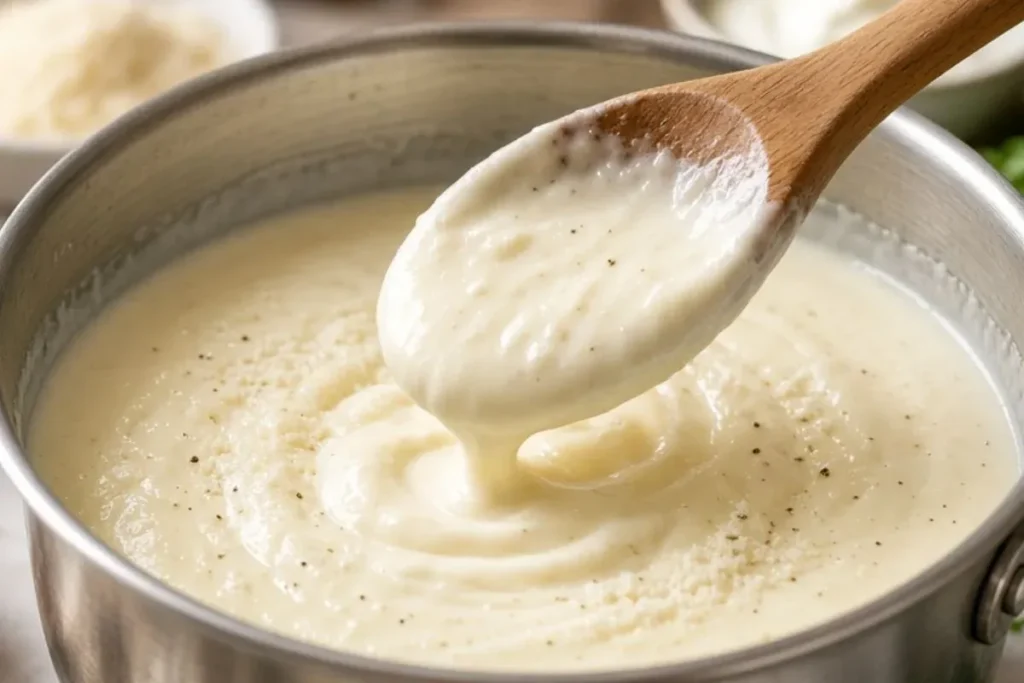
How to Tell What’s Going Wrong
Not every “cheese won’t melt” problem looks the same and the fix depends on what you’re actually seeing
| What you’re noticing | Most likely problem | What to try |
|---|---|---|
| Stays in solid chunks | Wrong type of cheese | Switch to a natural melting cheese |
| Turns rubbery instead of stretchy | Heat too high | Melt low and slow |
| Oily on the outside, firm in the center | Low moisture or low fat | Choose full-fat, higher-moisture cheese |
| Burns before it melts | Heat too high or added too early | Lower heat, adjust timing |
| Won’t blend into sauce | Not enough liquid | Melt into warm milk, cream, or sauce |
| Clumps instead of going smooth | Added too fast, or pre-shredded | Add gradually; use freshly grated cheese |
| Browns but won’t spread on pizza | Wrong cheese or oven not hot enough | Use low-moisture mozzarella, check oven temp |
If your dough is also giving you trouble, dense dough can affect how evenly heat reaches the cheese – check out our guide on dense pizza dough if that’s part of what’s going on
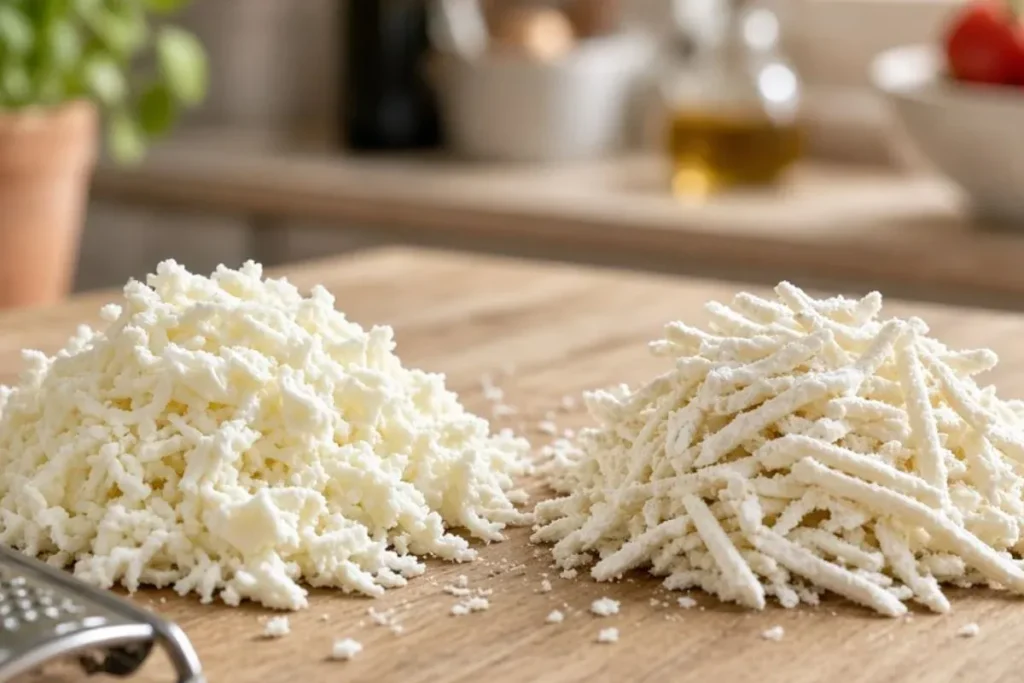
1. You’re Using the Wrong Type of Cheese
Not every cheese is built to melt. Some go smooth and stretchy under heat; others just soften or stay stubbornly firm no matter how long you cook them
Melts well: mozzarella, provolone, fontina, Monterey Jack, gouda Melts poorly: feta, halloumi, paneer, ricotta (on its own), cotija
If you’re reaching for one of the poor-melting cheeses expecting pizza-style stretch, that’s usually the whole problem right there
How to fix it: Choose a cheese that’s naturally built to melt, especially for pizza, pasta, or baked dishes
2. You’re Using Pre-Shredded Cheese
Convenient, sure but pre-shredded cheese is coated in anti-caking agents so the shreds don’t stick together in the bag. Those same coatings get in the way of smooth melting
How to fix it: Buy block cheese and grate it yourself right before cooking. It melts faster, smoother, and honestly tastes better too. For homemade pizza, freshly grated mozzarella is usually the difference between a good cheese pull and a disappointing one

3. Your Heat Is Too High
It feels logical that more heat means faster melting. It’s actually the opposite. Cheese hit with high heat too fast has its proteins tighten up and squeeze the fat out instead of creamy, you get rubbery, oily, or separated
How to fix it: Melt cheese over medium or low heat. Gentle heat keeps the fat and protein together, which is what gives you that smooth texture
4. Your Cheese Doesn’t Have Enough Moisture
Higher-moisture cheeses melt far more easily than dry, aged ones. Fresh mozzarella melts beautifully; aged Parmesan mostly just softens and adds flavor it was never going to give you stretch
How to fix it: Combine cheeses to get both. Mozzarella for stretch, Parmesan for flavor. Best of both

5. Your Cheese Is Too Cold
Cheese straight from the fridge takes longer to reach melting point, which can leave you with uneven melting especially on a shorter bake
How to fix it: Let cheese sit at room temperature for 15-20 minutes before cooking. Don’t leave it out for hours, just enough to take the chill off
6. You’re Using Low-Fat Cheese
Fat matters more than people expect here. Reduced-fat and fat-free cheeses tend to stay firm or turn rubbery instead of melting smoothly, simply because there’s less fat to carry the melt
How to fix it: Go full-fat wherever melting matters. You’ll get better texture, flavor, stretch and browning
7. Your Cheese Is Too Old
Cheese loses moisture as it ages. That’s great for flavor, not so great for melting. Older cheddar or Parmesan might soften a bit, but you won’t get that creamy, stretchy result
How to fix it: For melting, stick with fresh mozzarella, young cheddar, young gouda, provolone, or fontina. Save the aged stuff for flavor, not stretch
8. You’re Adding Cheese at the Wrong Time
Too early and it can burn or separate before everything else is done. Too late and it won’t have time to fully melt
How to fix it:
- For pizza: Add cheese at the point your recipe specifies not earlier “just to be safe.”
- For sauces: Pull the pan off high heat first, then stir cheese in gradually
9. You’re Melting Cheese Without Enough Liquid
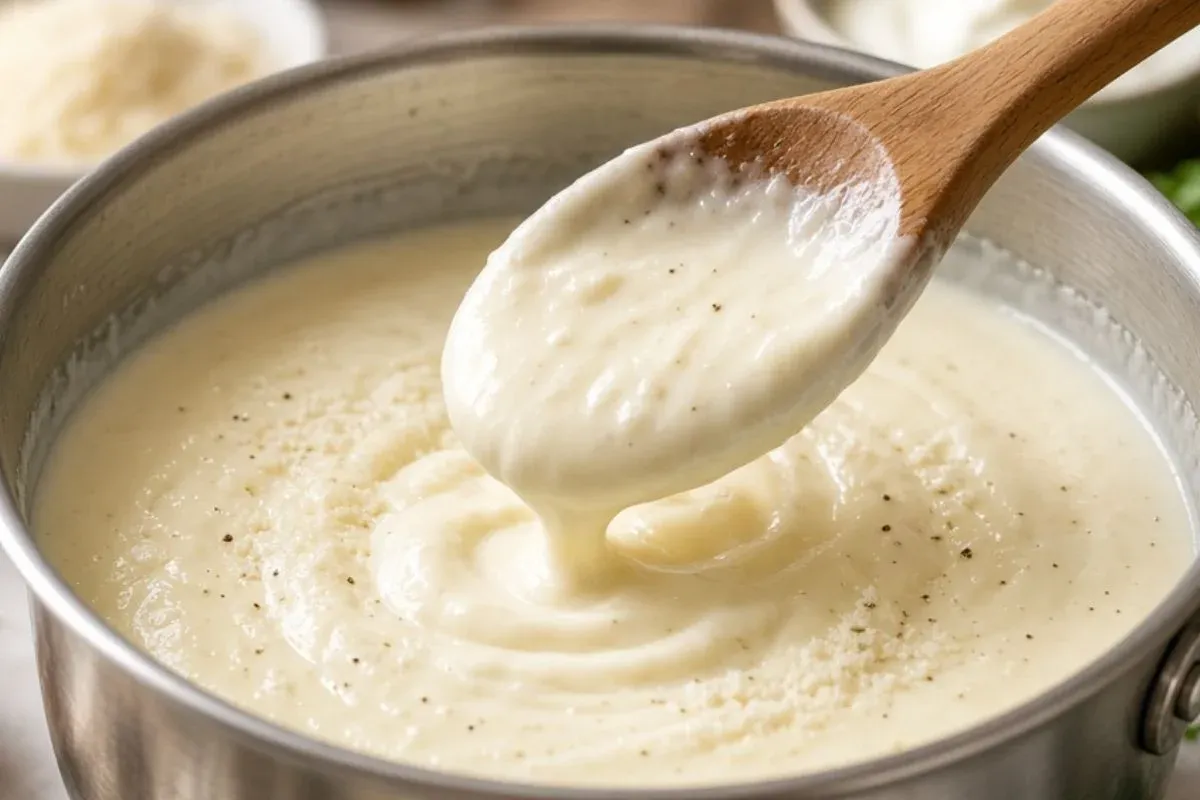
For Alfredo, cheese sauce, or creamy pasta, cheese needs liquid to melt into. Drop it straight into a dry pan and you’ll usually get clumps instead of a smooth sauce
How to fix it: Melt cheese into warm milk, heavy cream, butter, or an already-prepared sauce adding it gradually while stirring

10. You Didn’t Give It Enough Time
Sometimes it really is this simple. Thick slices, big blocks, or heavily topped pizza need more time than you’d think. Pull it too early and you’ll get partially melted cheese while everything else looks done
How to fix it: Give it a few extra minutes and keep an eye on it you want soft, bubbling cheese, not browned and dried out
If Cheese Isn’t Your Only Kitchen Mystery
Cheese not melting right is frustrating enough on its own but if you’re also fighting dough that won’t cooperate (sticky, dense, tearing, refusing to rise), that’s a different set of variables entirely
The Pizza Dough Problem Solver walks you through exactly that: what you’re seeing, the likely cause, how to confirm it, and how to fix it so you’re not guessing your way through pizza night

Frequently Asked Questions
How do you fix cheese that won’t melt?
Lower the heat and add moisture, like a splash of milk or cream, and stir continuously to help the cheese melt smoothly instead of seizing or clumping.
What does it mean if cheese doesn’t melt?
This usually means the cheese has too much protein structure relative to fat, was heated too quickly, or contains anti-caking agents that interfere with smooth melting.
Why is my cheese clumping up instead of melting?
Clumping typically happens when cheese is exposed to high heat too quickly, causing the proteins to seize before the fat can melt evenly throughout.
How do I get my cheese to melt?
Shred the cheese finely, bring it closer to room temperature first, and melt it gradually over low to medium heat rather than high heat for a smoother result
Why is my cheese not melting in the oven
This can happen if the oven temperature is too low, the cheese is too cold going in, or the cheese type naturally has a higher melting point, like some aged varieties.
Why is my cheese not melting in the microwave
Microwaves heat unevenly, which can cause cheese to seize or turn rubbery rather than melt smoothly. Using short intervals and stirring in between can help.
Why is my hand shredded cheese not melting
This is unusual since hand-shredded cheese typically melts better than pre-shredded, so check that it’s being heated gradually and isn’t a naturally low-melt variety like paneer or halloumi.
Why is my cheddar cheese not melting
Cheddar can seize or turn oily if heated too quickly or at too high a temperature. Melt it gradually over low heat for the smoothest results.
Why is my block cheese not melting
Block cheese should melt well if shredded first; melting it whole or in large pieces slows even heat distribution, which can make it seem like it isn’t melting properly.
How to fix rubbery cheese sauce
Add a splash of milk or cream and reduce the heat, stirring continuously, since rubbery texture usually results from overheating or cooking the cheese too quickly.
Can you fix rubbery cheese
Gently reheating with added liquid, like milk or cream, over low heat while stirring can sometimes help restore a smoother texture, though the result may not be identical to fresh.
Why is my shredded mozzarella not melting
Pre-shredded mozzarella contains anti-caking agents like cellulose, which can prevent it from melting smoothly. Using block mozzarella that you shred yourself typically melts much better.
Final Thought
If your cheese isn’t melting the way you want, it almost always comes down to one of four things: the type of cheese, the heat, the moisture, or how it’s being handled. Once you know which one it is, the fix is usually quick
Pick a good melting cheese, grate it fresh, keep the heat gentle, and give it the time it needs and you’ll get smooth, stretchy, perfectly melted cheese every time