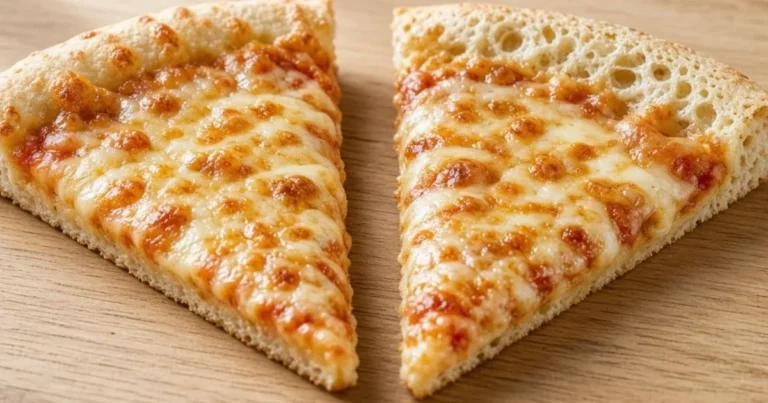

Why Isn’t My Pizza Crust Crispy? 10 Mistakes That Leave It Soft and Soggy
You pull your homemade pizza out of the oven expecting a beautifully crisp crust only to find it’s pale, soft, or chewy instead. If you’ve been wondering “Why is my pizza crust not crispy?”, you’re not alone
It’s one of the most common problems people face when making pizza at home. A crispy crust isn’t just about using a good recipe. It depends on several factors, including your oven temperature, the amount of moisture in your toppings, the type of baking surface you use and even how long you bake the pizza
Most of these problems are easy to fix. Whether you’re baking in a regular home oven, using a pizza stone or cooking in an Ooni pizza oven, a few simple adjustments can make a huge difference
In this guide, you’ll learn the 10 most common reasons your pizza crust isn’t getting crispy, how to fix each one and practical tips for achieving a perfectly crisp crust every time
If your crust is soft because it’s wet rather than undercooked, don’t miss our guide on Why Is My Pizza Crust Soggy? That article focuses specifically on moisture-related problems, while this guide covers every reason a crust fails to become crisp
Quick Answer
Why Is My Pizza Crust Not Crispy?
Pizza crust usually isn’t crispy because the oven isn’t hot enough, the baking surface wasn’t fully preheated, the dough contains too much moisture, or the pizza has too much sauce, cheese, or watery toppings
Baking on a fully preheated pizza stone or pizza steel at a high temperature gives the best chance of developing a crisp, golden crust. If your crust stays soft every time, don’t worry it usually takes just one or two small changes to dramatically improve the result
Table of Contents
Signs Your Pizza Crust Isn’t Crispy
Not every soft crust looks the same.. Here are some common signs that your pizza isn’t developing the crisp texture you’re aiming for:
- The bottom feels soft instead of firm
- The center bends easily when you lift a slice
- The crust is pale instead of golden brown
- The pizza feels chewy rather than crisp
- The underside has little or no browning
- The edges stay soft long after baking
If you notice one or more of these signs, one of the common causes below is likely responsible. If your pizza is difficult to transfer before baking, read our guide on Why Is My Pizza Sticking to the Peel? Launching the pizza correctly is an important first step toward achieving a crisp, evenly baked crust
10 Reasons Your Pizza Crust Is Not Crispy
1. Your Oven Isn’t Hot Enough
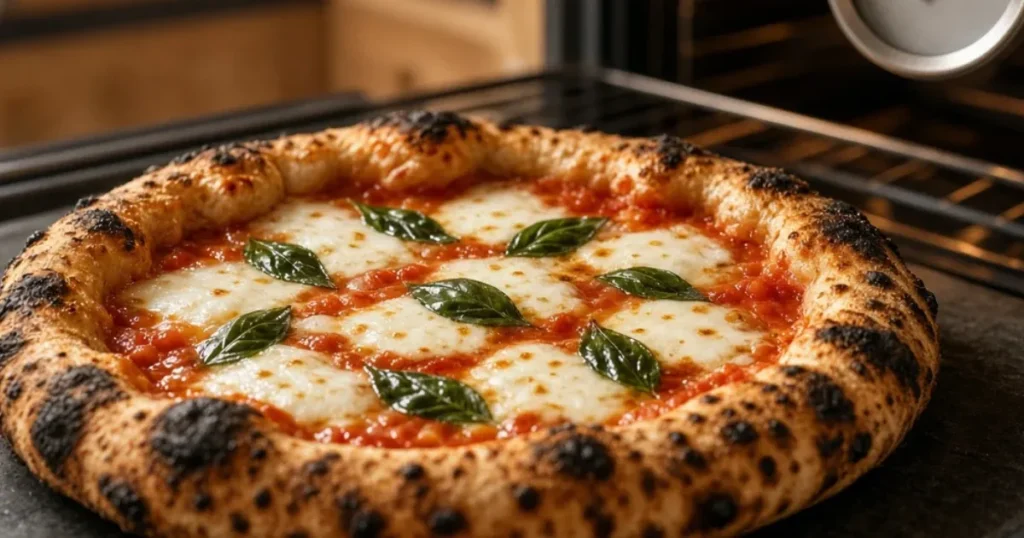
The biggest reason homemade pizza crust doesn’t become crispy is simply that the oven isn’t hot enough. Traditional wood-fired pizza ovens cook at extremely high temperatures often 750-900°F (400-480°C). Most home ovens can’t reach those temperatures but they can still produce a crisp crust if preheated properly. If your oven is only set to 350-400°F (175-205°C), the dough dries out slowly instead of crisping quickly
How to fix it
- Set your oven to its highest safe temperature, usually 475-500°F (245-260°C)
- Allow the oven to preheat completely before baking
- If your oven has a convection setting, use it to improve heat circulation
- Higher heat helps the crust brown quickly while keeping the inside light and airy
2. Your Pizza Stone Wasn’t Fully Preheated
A pizza stone needs much longer to heat than the oven itself. Even if your oven says it’s ready, the stone may still be too cool to crisp the bottom of the crust. A cool stone causes the dough to cook slowly, leaving the crust soft instead of crisp
How to fix it
- Place the pizza stone inside the oven before preheating
- Heat it for 45–60 minutes
- Launch the pizza only after the stone is thoroughly heated
A properly heated stone gives the crust an immediate burst of heat, helping it crisp from the bottom up. If your pizza sticks to the stone during baking, read our guide on Why Is My Pizza Sticking to the Stone? A stone that’s not fully heated can contribute to both sticking and a soft crust
3. You’re Using Too Much Sauce
Extra sauce doesn’t just affect the flavor it also adds a lot of moisture. As the pizza bakes, that moisture seeps into the dough and prevents the bottom from becoming crisp. This is one of the main reasons homemade pizza develops a soft center
How to fix it
- Spread a thin, even layer of sauce
- Leave about ½ inch (1-1.5 cm) around the edge for the crust
- Use thick pizza sauce rather than watery tomato sauce
- A lighter layer of sauce allows the dough to bake instead of steam
4. Your Toppings Are Too Wet
Fresh vegetables can release a surprising amount of water during baking. Common moisture-heavy toppings include:
- Fresh mozzarella
- Mushrooms
- Tomatoes
- Spinach
- Zucchini
- Pineapple
As this moisture collects on the pizza, it keeps the crust from becoming crispy
How to fix it
- Pat fresh mozzarella dry with paper towels
- Drain vegetables before using them
- Lightly cook mushrooms or spinach first
- Avoid piling on too many wet toppings
If excess moisture is making your crust soft and soggy, our guide on Why Is My Pizza Crust Soggy? explains exactly how to fix it

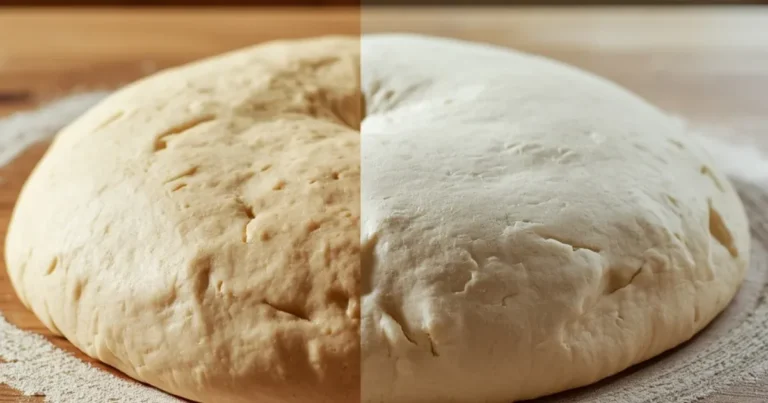
5. Your Dough Has Too Much Water
High-hydration dough can produce an airy, chewy pizza, but if there’s too much water, the crust may never become as crispy as you want. Very wet dough releases steam while baking. Instead of crisping, the bottom stays soft because the moisture gets trapped inside
How to fix it
- Follow your pizza dough recipe carefully
- Avoid adding extra water unless the recipe calls for it
- If the dough feels excessively sticky, dust it lightly with flour while shaping
If your dough feels sticky before baking, read our guide on Why Is My Pizza Dough Too Sticky? Fixing the dough early makes achieving a crispy crust much easier
6. Your Pizza Is Too Thick
A thick pizza naturally takes longer to cook than a thin one. If the crust is very thick, the center may still be cooking while the outside looks done. Many people remove the pizza too early, leaving the bottom soft
How to fix it
- Stretch the dough evenly
- Avoid leaving the center much thicker than the edges
- If making a thick-crust pizza, bake it a little longer while watching carefully to avoid burning the toppings. Remember, thin pizza usually becomes crispier than thick pizza
7. You Took the Pizza Out Too Early
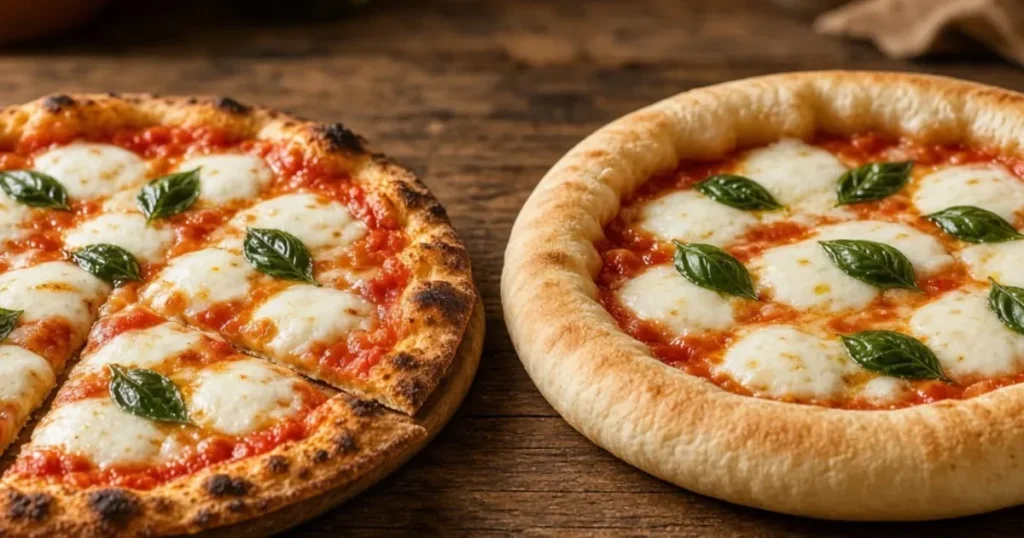
Sometimes the crust simply needs more time. The cheese may already be melted and bubbling, making the pizza look finished, but the bottom crust hasn’t fully browned yet. Removing it too soon is one of the biggest reasons homemade pizza isn’t crispy
How to fix it
Look for these signs before removing the pizza:
- The bottom is golden brown
- The edges feel firm
- The crust easily supports the slice without bending too much. If necessary, bake it for another 1-3 minutes, checking frequently
8. You’re Baking on the Wrong Oven Rack
The position of your pizza inside the oven affects how well the bottom cooks. If the pizza sits too high, the cheese cooks faster than the crust. If it sits too low, the bottom may burn before the toppings finish
How to fix it
- For most home ovens:
- Place the pizza stone or baking tray on the middle or lower-middle rack
This gives the crust enough direct heat while allowing the toppings to cook evenly. If your pizza never reaches the oven because it sticks to the peel, our guide on Why Is My Pizza Sticking to the Peel? shows you how to launch homemade pizza without ruining it
9. You’re Not Using the Right Flour
Many people don’t realize that the type of flour you use can affect how crispy your pizza crust becomes. Bread flour and Italian 00 flour contain more protein than regular all-purpose flour
This helps develop stronger gluten, giving the crust better structure while still allowing it to become crispy. All-purpose flour can still make excellent pizza, but it may produce a softer crust depending on your recipe and baking method
How to fix it
- For a crisp yet chewy crust, use bread flour or 00 pizza flour
- If using all-purpose flour, make sure your oven is fully preheated and your pizza bakes long enough. The flour alone won’t make your pizza crispy but it gives you a better foundation
10. There Isn’t Enough Airflow Around the Pizza
A crispy crust needs dry, circulating heat. If your pizza is baked on a cold baking tray, a thick pan, or in a crowded oven, the bottom traps steam instead of releasing it. That trapped steam softens the crust
How to fix it
- Bake on a preheated pizza stone or pizza steel whenever possible
- Avoid overcrowding the oven
- If using a baking tray, preheat the tray before placing the pizza on it
Use your oven’s convection setting if available. Better airflow helps moisture escape, allowing the bottom of the pizza to become crisp and beautifully browned
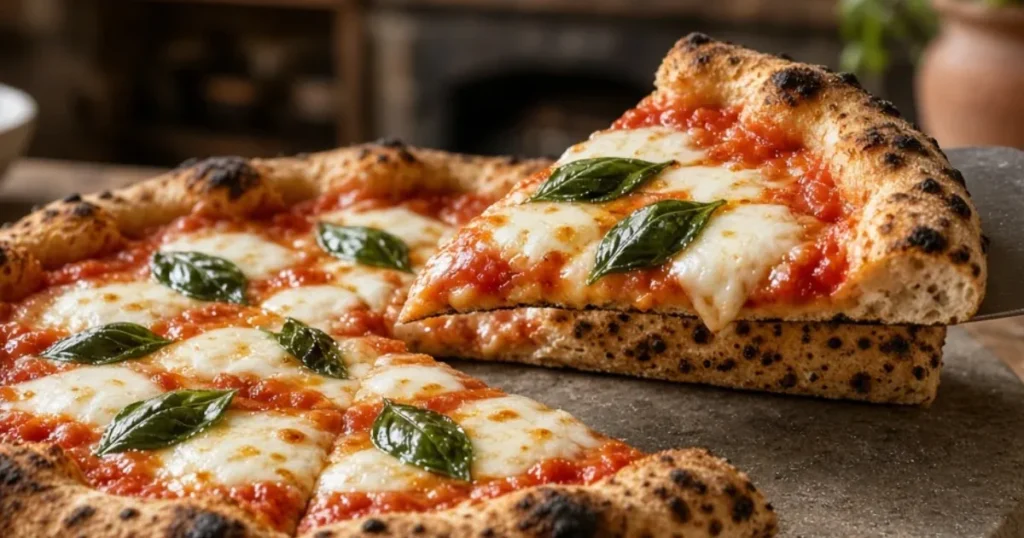
How to Make Pizza Crust Crispy Every Time
If you consistently want a crispy homemade pizza crust, these simple habits make the biggest difference
- Preheat your oven thoroughly Always bake in a fully preheated oven at the highest safe temperature
- Preheat your pizza stone or steel Give it 45–60 minutes to absorb enough heat before baking
- Use less sauce A thin, even layer prevents excess moisture from soaking into the dough
- Keep toppings balanced Avoid overloading your pizza with watery vegetables or too much cheese
- Bake until the bottom is golden Don’t judge the pizza only by the cheese. A crisp crust develops when the underside is fully browned
- Let the pizza cool for a minute After removing it from the oven, let it rest for 1–2 minutes on a wire rack or cutting board before slicing
This allows excess steam to escape instead of softening the crust. Still having trouble getting a crisp base? Our guide on Why Is My Pizza Crust Soggy? explains how moisture affects homemade pizza and how to fix it for good.

Frequently Asked Questions
Why is my pizza crust not crunchy?
Your oven may not be hot enough, the dough may contain too much moisture, or the pizza was removed before the crust had enough time to brown
What is the secret to getting a crispy pizza crust?
Bake at a high temperature on a fully preheated pizza stone or pizza steel, use a moderate amount of sauce, avoid watery toppings, and don’t overload the pizza
Why won’t my homemade pizza crust brown?
This usually happens when the oven temperature is too low, the pizza stone wasn’t fully preheated, or the pizza was removed too early
How do I make the bottom of my pizza crispy?
Use a preheated pizza stone or steel, bake at the highest safe oven temperature and reduce excess moisture from sauce and toppings
Can too much cheese stop the crust from getting crispy?
Yes. Excess cheese releases oil and moisture, which can soften the crust and slow browning
How do I get a crispy pizza crust without a pizza stone?
Preheat a heavy baking tray or cast-iron pan before placing the pizza on it. This helps the bottom cook more quickly
Why isn’t my Ooni pizza crust crispy?
The stone may not be fully heated, the dough may be too wet, or the pizza may have been removed before the base finished cooking
Does convection make pizza crust crispier?
Yes. Convection ovens circulate hot air more efficiently, helping moisture escape and promoting faster browning
Can I make frozen pizza crust crispy?
Yes. Bake it directly on a preheated pizza stone or oven rack according to the package instructions, rather than on a cold tray
Should I brush olive oil on the crust?
A light brush of olive oil around the outer crust can encourage better browning and add flavor, but it won’t compensate for a low oven temperature or an underheated baking surface
Final Thought
If your pizza crust isn’t crispy, the problem is rarely just the recipe. In most cases, the cause is an oven that’s not hot enough, a pizza stone that wasn’t fully preheated, too much moisture from the dough or toppings or removing the pizza before the crust has finished browning
These are all easy to fix. By using high heat, preheating your baking surface properly, keeping moisture under control and allowing the pizza to bake until the bottom is golden brown, you’ll consistently achieve a crisp, flavorful crust
Want to master homemade pizza from start to finish? Continue with our guides on Easy Homemade Pizza Dough for Beginners, Why Is My Pizza Crust Soggy?, Why Is My Pizza Crust Hard?, Why Is My Pizza Sticking to the Peel?, Why Is My Pizza Sticking to the Stone? and Why Is My Cheese Not Melting? Together, these guides solve the most common homemade pizza problems
You May Also Like
- Easy Homemade Pizza Dough for Beginners
- Why Is My Pizza Crust Soggy?
- Why Is My Pizza Crust Hard?
- Why Is My Pizza Sticking to the Peel?
- Why Is My Pizza Sticking to the Stone?
- Why Is My Cheese Not Melting?
- Why Is My Pizza Dough Too Sticky?