Why Is My Pizza Dough Tearing? 8 Causes & Easy Fixes
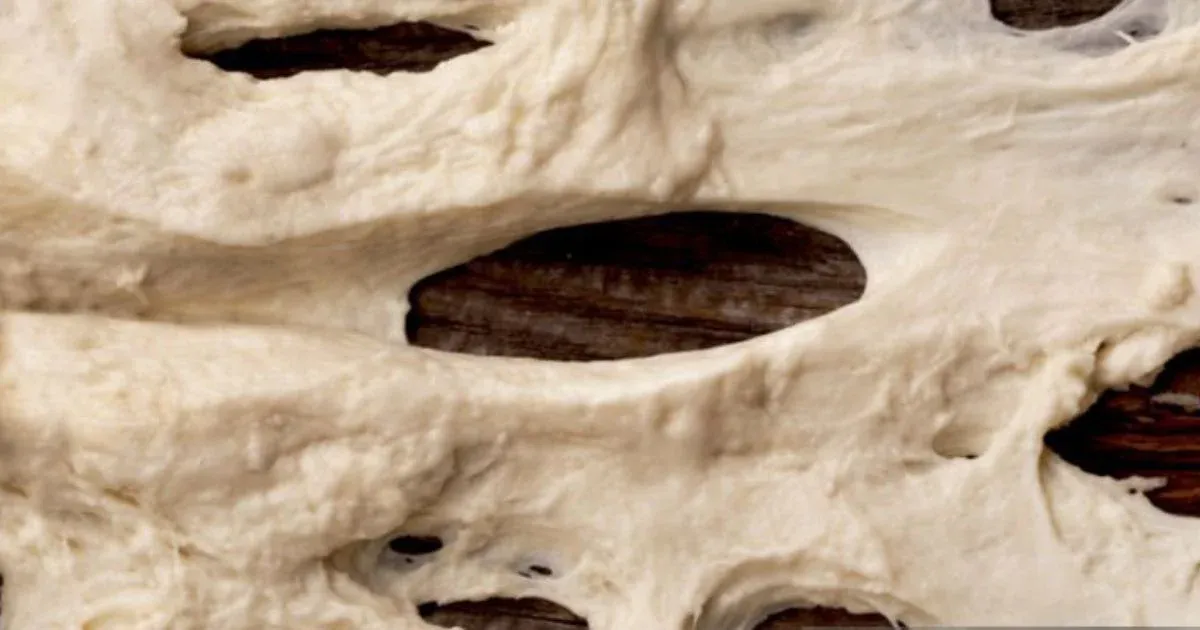
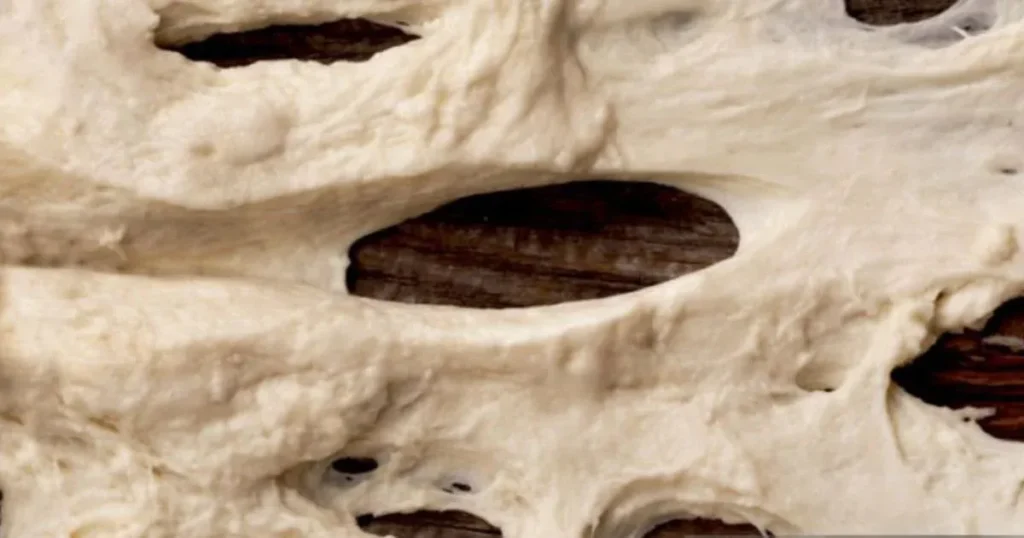
Quick answer: Pizza dough usually tears because it’s too cold, hasn’t rested enough, is too dry, or hasn’t developed enough gluten. Over-kneading, over-fermentation, the wrong flour, or stretching too aggressively can all cause it too. Dough doesn’t tear for no reason – it’s almost always reacting to something that happened earlier in mixing, kneading, or resting
How to Tell What’s Causing It
| What you’re noticing | Most likely cause | What to do |
|---|---|---|
| Dough is cold and resists every pull | Too cold | Rest at room temperature 30-60 minutes |
| Tears while kneading | Too dry or overworked | Stop, rest, then continue gently |
| Tears in several spots at once | Weak gluten development | Knead properly, allow more development time |
| Sticks and tears at the same time | Over-hydrated or over-fermented | Handle gently, flour hands lightly |
| Shrinks back while stretching | Tight gluten | Cover and rest another 15-20 minutes |
| Feels dry and rough | Not enough hydration | Keep covered while resting, review your recipe |
If your dough is springing back and shrinking more than actually tearing, that’s a slightly different problem – see Why Is My Pizza Dough Too Elastic? for the fix specific to overly tight, resistant gluten
Tearing Just One Symptom You’re Dealing With?
If it’s not just tearing – sticky, dense, or slow-to-rise dough too. The Pizza Dough Problem Solver is built to walk through diagnosing and fixing each of these individually instead of guessing your way through every batch

1. Your Dough Is Too Cold
Probably the most common cause. Straight from the fridge, the gluten is tight and stiff instead of stretching smoothly, it resists every movement and the harder you pull, the more likely it rips.
How to fix it: Let the dough sit at room temperature for 30-60 minutes before stretching. Still feels tight? Give it another 10-15 minutes. Patience alone solves this one most of the time
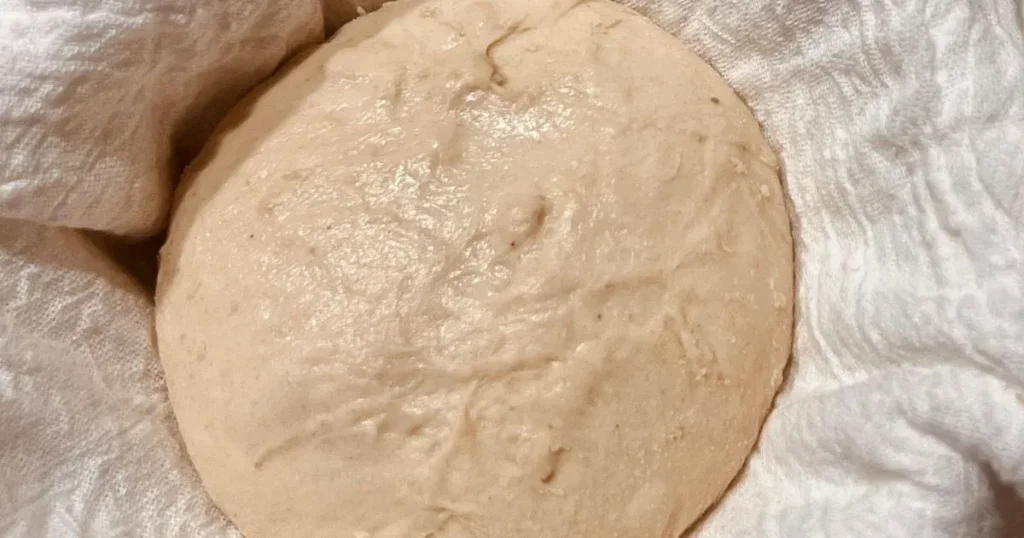
2. Your Dough Needs More Time to Rest
Sometimes it’s not cold anymore – it’s just tired. After kneading, gluten is tight and elastic, which is great for structure but works against you when you try to stretch it too soon. Push it before it’s ready and the dough pushes back, shrinks and eventually tears.
How to fix it: Cover it and let it rest 10-20 minutes. Come back and it usually stretches noticeably easier – resting isn’t wasted time, it’s the dough relaxing into stretchable shape.
3. Your Dough Is Too Dry
Healthy dough feels soft and slightly tacky. Rough, stiff, or dry-patched dough cracks instead of stretching smoothly. Usually traced back to too much flour during mixing, leaving it uncovered while resting, or adding extra flour while shaping.
How to fix it: Prevention is the real fix here – measure ingredients carefully, keep the dough covered throughout resting, and avoid unnecessary flour while shaping. Already dry? A little extra rest can help, but very dry dough often can’t be fully rescued
4. The Gluten Didn’t Develop Properly
Gluten gives dough its strength and stretch. Without enough development, it doesn’t behave elastically – it just breaks. This usually traces back to insufficient kneading time
How to fix it: Knead until smooth and elastic, then confirm with the windowpane test – stretch a small piece thin between your fingers. If it goes nearly transparent without tearing, gluten’s developed. Tears immediately? It needs more kneading
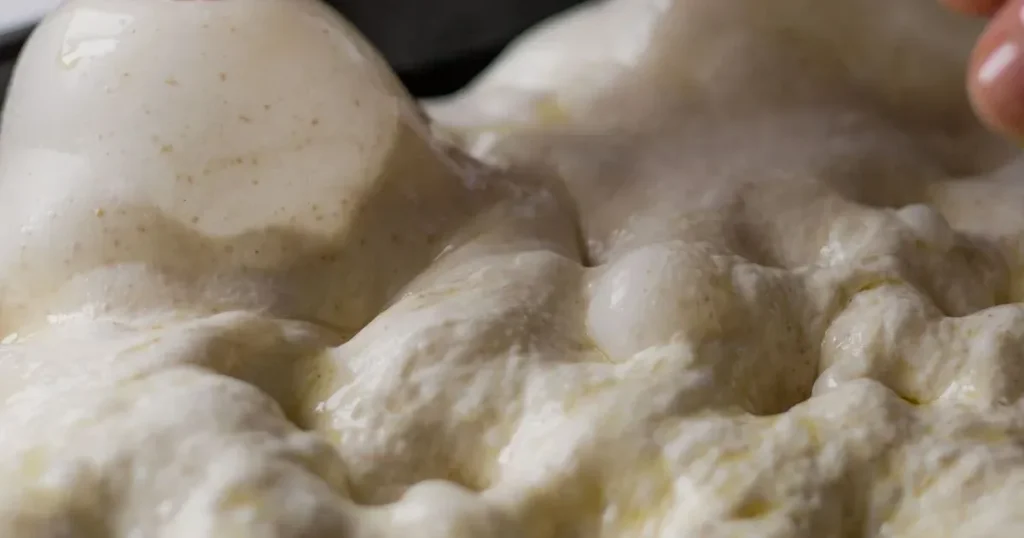
5. You May Have Over-Kneaded the Dough
The opposite problem also happens. Worked too long especially in a stand mixer dough can get overly tight and fight you instead of stretching. It feels firm rather than soft and flexible.
How to fix it: Stop working it and let it rest. Giving the gluten time to relax often fixes the texture enough to make stretching much easier.
Many tearing problems, it turns out, aren’t actually caused while stretching they start earlier, during mixing, kneading, or resting. The next few causes are less common but worth checking if nothing above explains what you’re seeing
6. Your Dough Is Over-Fermented
Rising builds flavor but rise too long and it weakens the dough’s structure instead. As fermentation continues past its window, gluten slowly breaks down, leaving dough that’s soft, fragile, and much more prone to tearing.
Other signs: unusually sticky texture, spreading quickly on the counter, a strong sour smell, tearing even with gentle handling.
How to fix it: If it’s only mildly over-fermented, you can usually still use it handle gently, flour your surface generously, avoid overstretching. If it’s extremely sticky and won’t hold shape at all, starting fresh is usually the better call
7. You’re Using the Wrong Flour
Not every flour is built for pizza. Lower-protein flours develop weaker gluten, and weaker gluten means dough that tears more easily. If you make pizza regularly, bread flour or Italian “00” flour build stronger, more elastic dough. All-purpose can still work, but results vary more by brand.
How to fix it: Switch to a flour suited for pizza and use a recipe designed around it, this alone can noticeably change how your dough behaves
8. You’re Stretching Too Aggressively
Sometimes the dough was never the problem, it’s the handling. Pulling hard from one edge, stretching too fast, or trying to expand it in one big movement concentrates pressure in a single spot. That’s exactly where tears show up.
How to fix it: Work slowly, press from the center outward, and rotate the dough as you stretch. If it starts resisting, stop and let it rest rather than pulling harder, relaxed dough is always easier to work with than dough you’re fighting

Stopping It Before It Starts
- Let refrigerated dough come to room temperature first
- Give it enough rest after kneading
- Use a flour suited to pizza
- Don’t over-flour while stretching
- Stretch gently, not aggressively
- Stop and rest if the dough fights back, rather than pushing through
Frequently Asked Questions
Why Is My Pizza Dough Tearing when I stretch it?
Your dough is likely under-rested or under-developed in gluten, causing it to resist stretching and tear instead. Let it rest longer at room temperature and stretch gradually, working from the center outward.
Why Is My Pizza Dough Tearing when kneading?
Tearing during kneading usually means the gluten hasn’t developed enough yet or the dough is too dry. Keep kneading until it becomes smooth and elastic, adding a small amount of water if needed.
Why Is My Pizza Dough Tearing and not stretching
This typically happens when the dough is too cold or hasn’t rested long enough for the gluten to relax. Bring it to room temperature and let it rest 20-30 minutes before trying again.
How to fix pizza dough tearing?
Let the dough rest longer to relax the gluten, make sure it’s at room temperature, and stretch gently using your knuckles or fingertips instead of pulling forcefully from the edges.
How long should pizza dough rest before being stretched?
Pizza dough should generally rest at least 20-30 minutes at room temperature after bulk fermentation, though many recipes recommend resting portioned dough balls for 1-2 hours for easier stretching.
How do you properly stretch pizza dough to avoid tearing it?
Use your fingertips to gently press from the center outward, rotating the dough as you go, and avoid pulling too hard on any one section. Let gravity help by draping it over your knuckles.
Why does my pizza dough tear when stretching?
Tearing usually happens when the dough is too cold, under-rested, or has weak gluten development. Letting it rest longer and warming to room temperature typically solves the issue.
Why is my dough tearing when kneading?
This usually means the gluten structure hasn’t formed enough yet, or the dough is too dry. Continue kneading until smooth, and adjust hydration slightly if it feels stiff.
Why is my dough tearing not stretching?
This usually points to under-developed gluten or dough that’s too cold. Let it rest longer at room temperature and stretch gradually rather than pulling quickly.
why does my pizza dough tear easily
Easily tearing dough usually points to weak gluten development or dough that hasn’t rested enough. Give it more time at room temperature and stretch gradually from the center outward.
why is my homemade pizza dough tearing
This is usually caused by under-resting, insufficient gluten development, or dough that’s too cold. Let it rest longer at room temperature before attempting to stretch it.
why is my sourdough pizza dough tearing
Sourdough pizza dough can tear if the gluten hasn’t fully developed during the longer fermentation, or if it’s shaped straight from the fridge without time to warm and relax.
Why Is My Pizza Dough ripping apart
Ripping typically happens when the dough is under-rested, too cold, or hasn’t developed enough gluten strength. Let it warm to room temperature and rest longer before attempting to stretch it.
Why Is My Pizza Dough Tearing instead of stretching
This usually points to under-developed gluten or dough that’s too cold. Let it rest longer at room temperature and stretch gradually rather than pulling quickly
Final Thoughts
The first time dough tears, it can feel like you did everything wrong but it’s one of the most common and most forgiving pizza problems there is. Most of the time it’s not asking you to start over, it’s asking you to slow down: a little more rest, a little gentler handling
Once you understand what your dough is actually telling you, tearing stops feeling like failure and starts feeling like information. Work through the likely causes and stretching dough smoothly becomes second nature faster than you’d expect